Can You Use a Dehumidifier without Emptying It Manually?
On this page (7 sections)
Yes, you can absolutely use a dehumidifier without emptying it manually, thanks to a clever feature called a continuous drain hose. This simple attachment allows your dehumidifier to drain excess water automatically into a nearby floor drain or a larger collection container. It’s a real game-changer for keeping your home consistently dry without constant attention.
Many dehumidifiers come equipped with or support an optional drain hose. This setup is especially useful for tackling high humidity problems in basements, bathrooms, or garages. It means you can set it and forget it, letting the machine work its magic to prevent mold and musty odors. We found this feature makes managing humidity so much easier for busy households.
- Many dehumidifiers have a continuous drain option.
- You can use a special hose to drain water automatically.
- This avoids the need for frequent manual emptying.
- It’s great for preventing mold and musty smells.
Let’s dive into the details of how this works and what you need to set it up so you can enjoy a drier, fresher home with less effort.
Effortless Dehumidifier Draining: Say Goodbye to Manual Emptying
You’re probably wondering if there’s a way to get the benefits of a dehumidifier without the constant chore of emptying its water tank. The good news is, absolutely! Many modern dehumidifiers are designed with your convenience in mind. They offer solutions that let the machine do the heavy lifting, so you don’t have to.
We’ve found that the most common and effective method is using a continuous drain hose. This simple attachment transforms your dehumidifier from a sometimes-burdensome appliance into a set-it-and-forget-it solution for managing household humidity.
How a Continuous Drain Hose Works Its Magic
A continuous drain hose is essentially a small tube that connects to your dehumidifier. This hose directs the water collected by the unit away from the tank and out to a designated drainage point. Think of it like a tiny plumbing system for your dehumidifier.
The Anatomy of Automatic Drainage
Most dehumidifiers designed for continuous drainage have a specific port or inlet where you attach the hose. This port is usually located near the water tank. When the dehumidifier runs, it pulls moisture from the air and collects it. Instead of letting this water fill up the internal tank, the unit pumps it directly into the connected hose.
The hose then carries the water downhill (gravity is your friend here!) to where you want it to go. This could be a floor drain, a utility sink, or even a larger collection container like a sump pump basin or a bucket. This automatic water removal means you’ll rarely, if ever, need to interact with the dehumidifier’s tank.
Setting Up Your Continuous Drain System
Getting this setup running is surprisingly simple. First, you’ll need a dehumidifier that supports continuous drainage. Most newer models do. You’ll also need the correct size hose. Some dehumidifiers come with a compatible hose, while others require you to purchase one separately. Check your model’s manual for specific requirements.
Choosing the Right Hose and Connection
The hose material is important. Many are made of flexible plastic or vinyl. Ensure the hose fits snugly onto the dehumidifier’s drain port to prevent leaks. You might need a clamp to secure it, especially if the connection feels a bit loose. Water tightness is key to avoiding messy situations!
Finding Your Drainage Destination
Where will the water go? This is a critical decision. The ideal spot is a floor drain. Many basements, bathrooms, and laundry rooms have these. If you don’t have a floor drain, a utility sink is another excellent option. You’ll need to position the hose so it empties directly into the sink.
If neither of those are options, you can use a larger container. However, be aware that if the container fills up, your dehumidifier will likely shut off, defeating the purpose of continuous drainage. For this reason, a floor drain or sink is always the preferred method for unattended operation.
Gravity: Your Silent Partner in Drainage
For a continuous drain hose to work effectively, there needs to be a downward slope from the dehumidifier to the drain point. This allows gravity to do the work of pulling the water away. If the hose has to travel uphill at any point, the water might back up.
Most manufacturers recommend a certain slope per foot of hose length. Generally, allowing about 1 inch of fall for every 10 feet of horizontal run is a good rule of thumb. You might need to use risers or blocks to help guide the hose and ensure a consistent downward path. Proper installation prevents water from pooling in the hose.
When is Continuous Drainage a Must-Have?
You might be asking yourself, “Do I really need this feature?” The answer often depends on your specific needs and the humidity levels in your home. If you’re dealing with persistent moisture issues, continuous drainage is a lifesaver.
Basement Battles: Winning Against Dampness
Basements are notorious for being damp and humid. They’re often below ground level and can be prone to condensation, leaks, or groundwater seepage. Running a dehumidifier in the basement can make a huge difference in preventing mold, mildew, and that musty smell.
However, basements can also be areas you don’t visit daily. Having to constantly empty a dehumidifier tank there would be a real hassle. A continuous drain hose allows your dehumidifier to work 24/7 in the basement, keeping the air dry without any intervention from you. It’s perfect for tackling serious moisture problems.
Laundry Room Resilience: Tackling Persistent Moisture
Laundry rooms can get surprisingly humid. The combination of hot water, washing machines, and dryers can release a lot of moisture into the air. This excess humidity can lead to damp clothes not drying properly and can contribute to mold growth on walls or ceilings.
A dehumidifier in the laundry room can help. If you use the continuous drain feature, you won’t have to worry about the tank overflowing, especially after a long laundry day. This keeps the air fresh and helps your appliances run more efficiently. Many homeowners find this setup reduces drying times for clothes too.
Garages and Workshops: Protecting Your Belongings
Garages and workshops often store items that are sensitive to moisture, like tools, cars, seasonal decorations, or stored goods. High humidity can cause rust on metal, damage wood, and encourage the growth of mold and mildew on fabrics and other materials.
A dehumidifier with a continuous drain hose can maintain a consistently low humidity level in these spaces. This helps protect your stored items and tools from damage. It also makes the space more comfortable to work in, especially during warmer months.
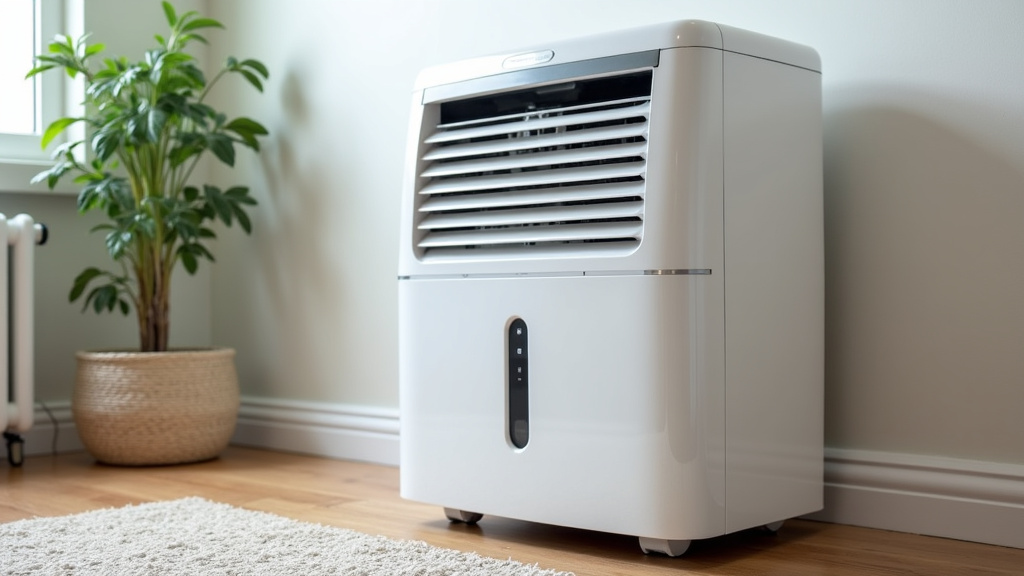
Alternative Draining Methods: When a Hose Isn’t an Option
What if a continuous drain hose just isn’t feasible for your setup? Perhaps your dehumidifier doesn’t support it, or you don’t have a suitable drain nearby. Don’t worry; there are still ways to manage the water collection.
The Smart Tank: Alerts and Auto-Shutoff
Most dehumidifiers, even those without continuous drain capabilities, come with a water tank. These tanks have an auto-shutoff feature. When the tank reaches its maximum capacity, the dehumidifier will automatically turn itself off to prevent overflowing. Many also have an indicator light or an audible alarm to let you know it’s time to empty.
Some newer models feature “smart” tanks. These might have a clear window to easily see the water level or even a digital indicator. While this still requires manual emptying, it makes the process less guesswork. We found that clear tank designs are a big convenience.
Using a Sump Pump for Larger Capacity
For areas with very high humidity or very large dehumidifier tanks, you might consider using a sump pump to manage the water. You can place the dehumidifier’s collection bucket next to the sump pump pit. When the dehumidifier’s tank is full, you can manually pour the water into the pit.
Alternatively, some people rig a system where the dehumidifier’s water is collected in a large container that then pumps the water into a sump pit. This is a more DIY approach and requires careful setup to ensure safety and prevent flooding. It’s a way to increase drainage capacity without a permanent hose hookup.
The Portable Solution: Bucket or Large Container
The simplest method, of course, is to use a large bucket or container. You’ll need to check the tank’s fullness regularly. For very humid environments, you might need to empty it multiple times a day. This is manageable if you’re home often and don’t mind the routine.
Here’s a quick checklist to help you decide if continuous drainage is right for you:
- Is your dehumidifier’s tank too small for the humidity levels?
- Do you live in a very humid climate or have chronic moisture problems?
- Is your dehumidifier located in an area you don’t frequent (like a basement)?
- Do you have a floor drain, utility sink, or suitable sump pump nearby?
- Are you looking for a “set it and forget it” solution for humidity control?
- Do you want to prevent mold and mildew with minimal effort?
Maintaining Your Continuous Drain System
While a continuous drain hose offers fantastic convenience, it still requires a little bit of maintenance to keep it working efficiently and hygienically. Neglecting it can lead to reduced performance or even water damage.
Regular Cleaning Prevents Buildup
The hose itself can develop slime or algae over time, especially if water sits in it or if there are mineral deposits. It’s a good idea to disconnect the hose periodically and flush it out with water and a mild cleaning solution. Check your owner’s manual for specific cleaning recommendations.
Don’t forget to clean the drain port on the dehumidifier itself. You can often wipe this down with a damp cloth. Any build-up in the port could restrict water flow.
Inspecting for Leaks and Blockages
Make it a habit to visually inspect the hose and connections regularly. Are there any cracks or kinks in the hose? Is the connection to the dehumidifier secure? Is the water flowing freely to the drain? Catching small issues early can prevent larger problems.
If you notice that the dehumidifier tank is filling up even though the hose is attached, you likely have a blockage or a slope issue. You may need to adjust the hose’s position or clean it thoroughly. Maintaining the flow is key.
When to Upgrade or Reconsider Your Setup
Sometimes, despite your best efforts, a continuous drain system might not be the perfect fit. If you find yourself constantly troubleshooting, or if your dehumidifier seems to be working harder than it should, it might be time to re-evaluate. Perhaps the hose is too long, the slope isn’t sufficient, or the drain point isn’t ideal.
In some cases, investing in a dehumidifier with a larger tank capacity or one that offers a more robust continuous drain system might be beneficial. The goal is to find a solution that keeps your home dry without creating extra work for you. Finding the right balance makes all the difference.
Conclusion
You’ve learned that using a dehumidifier without constant manual emptying is not only possible but often quite practical. The continuous drain hose feature is your key to effortless humidity control, especially in damp areas like basements or laundry rooms. By understanding how it works and how to set it up correctly, you can ensure your home stays dry and comfortable with minimal intervention. Take the first step today by checking if your current dehumidifier supports this feature, or consider one that does for your next purchase. Your effort in setting this up will pay off with a healthier, fresher living space.
Frequently Asked Questions
How do I know if my dehumidifier has a continuous drain option?
Check your dehumidifier’s owner’s manual or look for a dedicated port on the unit, usually near the water tank, designed for attaching a drain hose. Many newer models come with this capability built-in or support an optional hose kit.
What kind of hose should I use for continuous drainage?
You’ll typically need a flexible plastic or vinyl hose that fits snugly onto the dehumidifier’s drain port. It’s best to use the hose recommended by the manufacturer or one of the correct diameter to ensure a watertight seal and prevent leaks.
Can I just let the drain hose empty into a bucket?
You can, but it defeats the purpose of continuous drainage. If the bucket fills up, the dehumidifier will shut off. For truly automatic operation, the hose needs to drain into a floor drain, utility sink, or a sump pump where water can be permanently removed.
What happens if the drain hose isn’t sloped properly?
If the hose doesn’t have a consistent downward slope, water can back up in the hose or the dehumidifier tank. This can cause the unit to shut off prematurely or even lead to water damage. Aim for about 1 inch of fall for every 10 feet of horizontal hose length.
How often should I clean the continuous drain hose?
It’s a good idea to flush and clean the hose every few months, or more often in very humid conditions. This prevents the buildup of slime, algae, or mineral deposits that can clog the hose or affect water flow, ensuring your system works efficiently.