How to Dry Out a Wet Basement?
On this page (3 sections)
To dry out a wet basement, you must first remove standing water and then run dehumidifiers and fans to reduce moisture. This process helps prevent mold growth and protects your home’s foundation. It takes careful steps to do this right.
When you have a wet basement, it’s more than just a nuisance; it can cause damage. We found that acting quickly is key to preventing long-term problems. Addressing the source of the water is also critical for a permanent solution.
TL;DR:
- Remove all standing water immediately.
- Use fans and dehumidifiers to dry the air.
- Inspect for and fix the cause of the water.
- Clean and disinfect affected areas to prevent mold.
- Monitor humidity levels after drying.
Below, we walk you through a step-by-step guide on exactly how to dry out a wet basement effectively and safely. Let’s get your basement dry and healthy again.
Drying Your Wet Basement: A Step-by-Step Guide
When your basement floods or simply gets wet, time is of the essence. You need a clear plan to protect your home. We’ll walk you through each critical step to get your basement dry and safe again.
Prioritize Safety and Assess the Situation
Before you do anything else, you must ensure your safety. A wet basement can be dangerous. Your first thoughts might be about cleaning up, but pause and think about potential hazards.
Safety First: Electrical Hazards
Is there a risk of electrocution? This is your absolute top concern. Many experts, including the CDC, emphasize that water and electricity don’t mix safely. If the water level is high enough to reach electrical outlets or cords, do not enter the basement. Call a qualified electrician immediately. If you can safely reach your home’s main power panel and it’s not in the wet area, consider turning off the power to the basement circuits. Better safe than sorry, right?
Identify the Water Source
What caused the water? This step is super important for preventing future problems. Is it a burst pipe? A leaky foundation? A sewer backup? Knowing the source helps you stop more water from coming in. We’ve found that addressing the root cause is half the battle. Is it a sudden flood, or a slow, persistent leak? You’ll need to know this for proper repairs.
Remove Standing Water Quickly
Once it’s safe, your next mission is to get that standing water out. Every minute counts when it comes to preventing further damage and mold growth. The faster the water is gone, the better. Think of it like a race against time.
Pumping Out the Water
For significant amounts of standing water, you’ll need a pump. A submersible pump is often the best choice for this task. You simply place it in the deepest part of the water and run a discharge hose outside. Make sure the hose sends water far away from your foundation. Some pumps can remove water down to very low levels, making your job much easier. Many professional restoration services rely on these powerful tools.
Removing Remaining Water
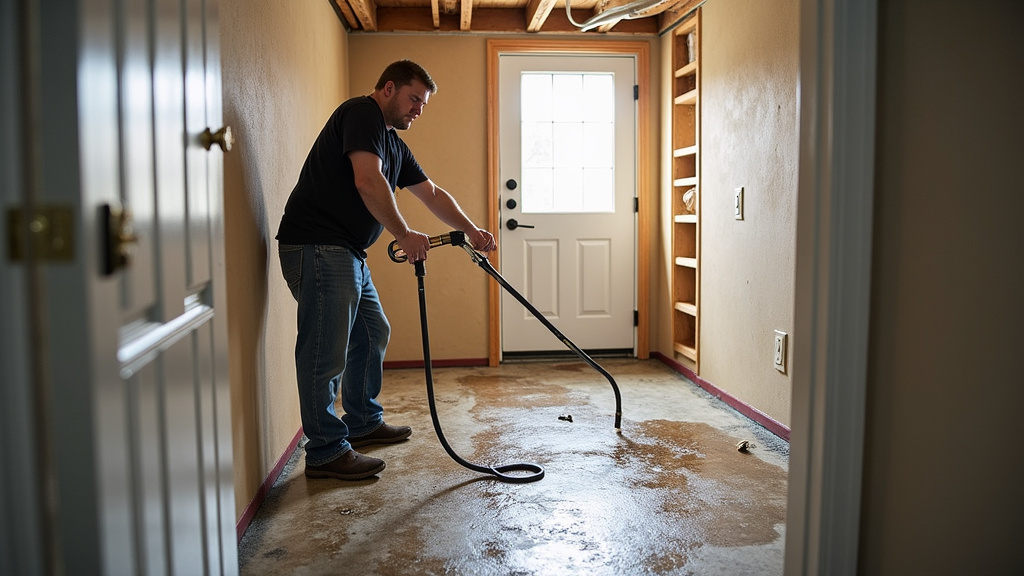
After pumping, there will still be some shallow water or dampness. Now it’s time for the old-fashioned methods. Mops, buckets, and wet/dry vacuums (shop vacs) are your best friends here. You’ll want to get up as much visible water as possible. It’s surprising how much water a good shop vac can hold. Work systematically, starting from one corner and moving across the room. Don’t miss those hard-to-reach spots!
Initiate the Drying Process
Once the standing water is gone, the real drying process begins. This step focuses on reducing humidity and drying out materials. It’s not enough to just remove the visible water; you need to tackle the moisture in the air and in surfaces.
Ventilate the Area
Airflow is crucial. Open any windows and doors in your basement, if possible and if the outside air is drier than inside. This creates a cross-breeze that helps exchange moist air for drier air. However, if it’s raining or very humid outside, keep windows closed. You don’t want to bring more moisture in! Fans are also a big help here. Position them to create a strong air current across wet areas. Think of it as giving your basement a much-needed breath of fresh air.
Use Dehumidifiers and Fans
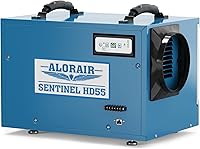
This is where the heavy lifting happens after the water is gone. You’ll want to deploy a combination of strong fans and powerful dehumidifiers. The goal is to aggressively pull moisture from the air and dry out building materials like walls. Many experts recommend industrial-grade equipment for the fastest and most effective drying. You might even consider renting several units. We found that placing dehumidifiers centrally and fans strategically can speed up the process considerably. For a fresh plaster project, see our guide to using a dehumidifier to dry plaster.
Here’s a quick overview of how they work together:
| Equipment | Primary Function | Placement Tip |
|---|---|---|
| Dehumidifier | Removes moisture from the air. | Place in the center of the wettest area. |
| Fans (Air Movers) | Circulate air, evaporate surface moisture. | Point at wet walls, floors, and objects. |
| Heaters (Optional) | Can warm air to help drying, but use with caution. | Only use if air is not already warm and humid. Avoid overheating. |
Monitor Conditions and Prevent Mold
Drying isn’t a “set it and forget it” task. You need to monitor humidity levels and stay vigilant against mold. Mold can start growing within 24-48 hours in damp conditions (EPA guidelines). That’s a very small window!
Check Humidity Levels
A hygrometer is an inexpensive tool that measures humidity. Aim for relative humidity levels below 50%. This creates an environment too dry for mold to thrive. Keep your dehumidifiers running until you consistently reach this target. We’ve learned that a consistent, low humidity level is your best defense against mold.
Clean and Disinfect Surfaces
Once things are mostly dry, it’s time to clean. Porous materials like drywall and carpet padding that have been saturated for more than 48 hours usually need to be removed and replaced. For hard surfaces, use a mixture of bleach and water, or a commercial disinfectant, to clean the area. This helps kill any mold spores that might be present. Always wear gloves, eye protection, and a mask when cleaning moldy areas. Your health is important!
Final Touches and Prevention
After everything is dry and clean, take some steps to prevent this from happening again. A “fix it and forget it” approach rarely works with basement water issues. Long-term solutions are key.
Consider this quick checklist for keeping your basement dry:
- Check downspouts and gutters: Ensure they direct water away from your foundation.
- Inspect your foundation: Look for cracks and seal them if needed.
- Improve yard grading: Slope the ground away from your house.
- Consider a French drain or sump pump: For persistent water problems.
- Monitor indoor humidity: Especially during wet seasons.
Regular maintenance can save you a lot of headaches (and money!) down the road. Isn’t peace of mind worth a little extra effort?
Conclusion
Drying out a wet basement can feel overwhelming, but you have the power to protect your home. By prioritizing safety, swiftly removing water, and meticulously drying the space, you prevent bigger problems. We’ve learned that a combination of quick action and smart prevention is your best defense against moisture damage and mold. Take control of your basement’s health today. Your home will thank you for it.
Frequently Asked Questions
What if my basement has carpet? Can it be saved?
If your basement carpet was wet for more than 24-48 hours, it’s usually best to remove and discard it, along with the padding. Mold can grow quickly underneath, becoming a health hazard. For fresh, clean water exposure of less than 24 hours, you might be able to dry it professionally.
How long does it typically take to dry out a wet basement?
The drying process can vary significantly depending on the amount of water, humidity levels, and the materials involved. Generally, it takes anywhere from three days to several weeks. You’ll need to keep fans and dehumidifiers running until humidity levels are consistently below 50%.
Can I use a regular house fan to dry my basement?
While regular house fans can help with air circulation, they aren’t as effective as industrial-grade air movers designed for water damage. Regular fans typically don’t generate enough airflow to evaporate moisture from saturated materials quickly. For best results, we recommend renting high-powered equipment.
Should I open windows if it’s hot and humid outside?
No, if it’s hot and humid outside, keep your basement windows closed. Opening them will introduce more moisture-laden air into your basement, making the drying process longer and less effective. Only open windows if the outside air is significantly drier and cooler than inside.
When should I call a professional water damage restoration company?
You should call a professional if the water was from a sewage backup, if there’s extensive structural damage, or if the area has been wet for over 48 hours. Professionals have specialized equipment and expertise to handle hazardous materials and prevent long-term mold problems effectively.