Is It Safe to Run a Dehumidifier with Pets in the House?
On this page (7 sections)
Yes, running a dehumidifier in a home with pets is generally safe and beneficial for both your furry friends and your home’s air quality. You can effectively manage humidity levels while ensuring your pets are comfortable, as long as you take a few simple precautions. This helps prevent common issues like mold growth and musty odors that can affect pets too.
Keeping humidity in the ideal range of 30-50% is key. High humidity can make your pets feel hotter and can encourage the growth of allergens like dust mites and mold. These can trigger allergies and respiratory problems in animals, just like in humans. A dehumidifier helps create a healthier environment by removing excess moisture from the air.
- Dehumidifiers are generally safe for homes with pets.
- Proper humidity levels (30-50%) benefit pet health.
- High humidity can worsen pet allergies and respiratory issues.
- Regular maintenance ensures safe and effective operation.
Below, we’ll walk you through exactly how to use a dehumidifier safely with your pets around, ensuring a comfortable and healthy home for everyone.
Running a Dehumidifier Safely with Your Pets at Home
You’re probably wondering if running a dehumidifier is a good idea when you have furry family members. The short answer is yes! It’s perfectly safe and can even be quite beneficial for your pets and your home. When used correctly, a dehumidifier helps create a more comfortable environment by keeping humidity levels in check. This is especially important because pets can be just as sensitive to overly damp air as we are.
We’ve found that maintaining humidity between 30% and 50% is the sweet spot for most homes, and this applies to homes with pets too. Too much moisture in the air can make your pets feel warmer than usual and can become a breeding ground for things like mold and dust mites. These tiny invaders can trigger allergies and breathing troubles in animals, similar to how they affect us.
Understanding How Humidity Affects Your Pets
Think of your pet’s coat. When the air is thick with moisture, it’s harder for their fur to dissipate heat. This can lead to them feeling overheated and uncomfortable, especially breeds with thick coats or those already prone to heat sensitivity. It’s like trying to cool down on a sticky, humid summer day – you just feel muggy and miserable.
Beyond just comfort, excessive humidity can really impact your pet’s health. Many common allergens, such as mold spores and dust mites, thrive in damp conditions. If your pet suffers from allergies or has respiratory issues, these allergens can significantly worsen their symptoms. You might notice increased sneezing, coughing, or itchy skin. Many veterinarians recommend managing indoor air quality to help pets with these conditions (American Veterinary Medical Association). If your pet suffers from allergies or has respiratory issues, a dehumidifier can help manage triggers.
The Role of Dehumidifiers in Pet Health
This is where a dehumidifier becomes your ally. By actively removing excess moisture from the air, it helps to reduce the growth of mold and dust mites. This means fewer triggers for your pet’s allergies and a potentially clearer path for them to breathe easier. It’s a simple step that can make a big difference in their daily comfort and overall well-being.
We found that consistently keeping humidity in the ideal range can lead to a noticeable improvement in pets prone to respiratory irritation. It’s not a cure-all, of course, but it’s a vital part of creating a healthier living space for them. A comfortable pet is a happy pet, and a less stressed you!
Key Safety Precautions for Dehumidifier Use with Pets
While dehumidifiers are safe, like any appliance, they require a bit of care and attention, especially when pets are around. You want to ensure their safety above all else. Let’s break down the important points to keep in mind.
Placement Matters: Keeping Your Dehumidifier Out of Reach
The most critical safety tip is proper placement. Think about your pet’s natural curiosity. Some pets, especially puppies or kittens, might be tempted to chew on cords or investigate the unit itself. To prevent accidents, always place the dehumidifier in a location where your pets cannot easily access it. This might mean putting it on a high shelf, a sturdy table, or in a room they don’t frequent unsupervised.
We recommend positioning it away from their food and water bowls. You don’t want any accidental spills or curious noses interfering with its operation or their mealtime. Secure the power cord so it’s not dangling where a pet could chew on it. A chewed cord can be a serious electrical hazard.
Securing Cords and Unit Stability
Consider using cord protectors or clips to keep the power cord tidy and out of the way. Make sure the dehumidifier itself is placed on a stable, level surface. A wobbly unit could be knocked over, potentially startling your pet or causing damage.
Water Collection: Emptying the Tank Regularly
Dehumidifiers collect water in a tank. This tank needs to be emptied regularly. If left too long, the water can become stagnant and potentially grow bacteria or mold, which defeats the purpose of improving air quality. Furthermore, a full tank will cause the unit to shut off, stopping its function until emptied.
For pet safety, it’s important to empty the tank carefully. Some pets might try to drink stagnant water if they get a chance. While usually not immediately harmful in small amounts, it’s best to avoid this. Plus, you don’t want your pet knocking over a full, heavy tank.
What to Do with Collected Water
When you empty the tank, pour the water down a drain. Never reuse this water for drinking, cooking, or watering plants, as it contains concentrated minerals and potentially contaminants. Many people find it easiest to empty the tank a little each day, especially if the dehumidifier is running frequently.
Noise and Vibration Considerations
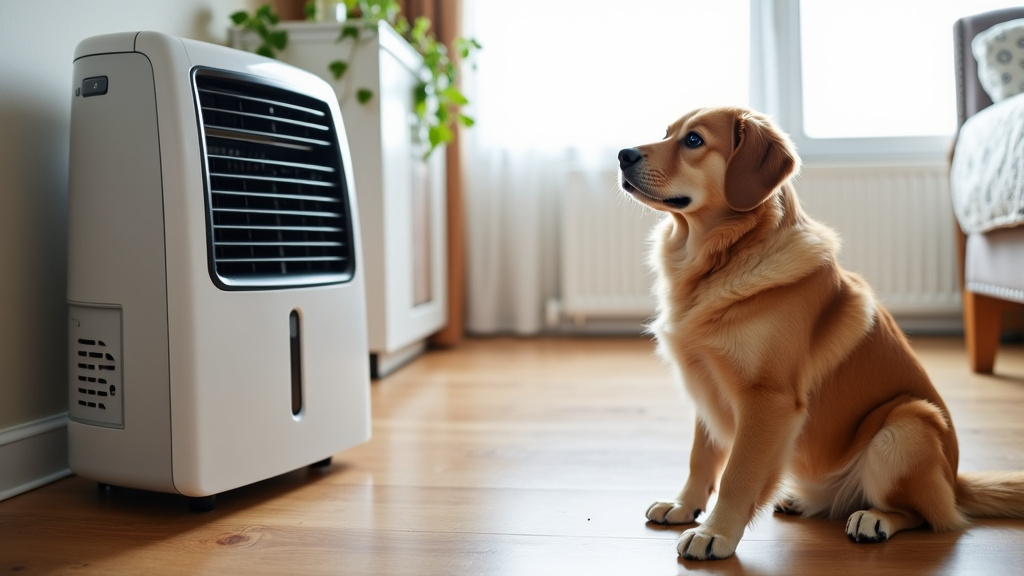
Some dehumidifiers can be a bit noisy or produce vibrations. Your pet might find these sounds or sensations unsettling. If you notice your pet seems stressed, anxious, or is actively avoiding the room where the dehumidifier is running, consider these factors.
You might need to choose a quieter model or place the dehumidifier in an area where the noise is less disruptive. Running it during times when your pet is less active or when you are home to offer reassurance can also help. We’ve found that pets often adjust over time, but it’s good to be mindful of their reactions.
Maintenance for Optimal Performance and Safety
Regular maintenance is key for any appliance, and your dehumidifier is no exception. Keeping it clean ensures it runs efficiently and safely, creating the best possible air quality for your home and your pets.
Cleaning the Air Filter
Most dehumidifiers have an air filter designed to catch dust, pet hair, and other airborne particles. This filter needs regular cleaning or replacement. A clogged filter reduces the unit’s efficiency and can force it to work harder, consuming more energy.
We recommend checking your dehumidifier’s manual for specific instructions on filter maintenance. Typically, you’ll need to rinse or vacuum the filter about once a month. This simple task helps maintain airflow and prevents dust buildup, which is beneficial for everyone in the household, especially pets with allergies.
Cleaning the Water Tank and Coils
Beyond the filter, the water tank and the internal coils of the dehumidifier also need occasional cleaning. Stagnant water in the tank can become a breeding ground for mold and bacteria. The coils can accumulate dust and grime over time.
A good cleaning schedule might involve wiping down the tank with a mild detergent and water every few weeks. For the coils, consult your manual, as some require specific cleaning solutions or methods. Keeping these parts clean ensures that the dehumidifier isn’t inadvertently circulating unwanted particles or odors.
Choosing the Right Dehumidifier for Your Pet-Friendly Home
When selecting a dehumidifier, consider features that enhance safety and convenience for pet owners. Not all dehumidifiers are created equal, and some are better suited for homes with animals.
Noise Levels and Energy Efficiency
As mentioned, noise can be a factor for pets. Look for models that are advertised as quiet-operating. Energy efficiency is also important, as you’ll likely be running the unit for extended periods. An ENERGY STAR certified model can help save on electricity bills.
Capacity and Features
Consider the size of the room you need to dehumidify and choose a unit with appropriate capacity. Features like auto-shutoff (when the tank is full), a continuous drain option (so you don’t have to empty the tank manually as often), and a built-in humidistat (to maintain a set humidity level) can add convenience and safety.
Here’s a quick checklist to ensure your dehumidifier use is safe for your pets:
- Always place the unit out of your pet’s reach.
- Secure all power cords to prevent chewing.
- Empty the water tank regularly and safely.
- Clean the air filter monthly or as recommended.
- Monitor your pet’s reaction to the unit’s noise.
- Ensure the unit is on a stable, level surface.
By following these simple guidelines, you can confidently use a dehumidifier to create a healthier, more comfortable environment for your entire family, including your beloved pets. It’s about finding that balance for everyone’s well-being.
Conclusion
You’ve learned that running a dehumidifier in your pet-filled home is not only safe but can greatly improve comfort and health for everyone. By managing humidity levels between 30-50%, you reduce allergens like mold and dust mites that affect pets. We found that proper placement, regular maintenance, and choosing the right unit are key to success. Remember to keep the unit out of reach and secure cords. This simple appliance can make a big difference in creating a healthier living space for your furry family. Now, take a moment to assess your current setup and make any necessary adjustments to ensure your pets are comfortable and safe.
Frequently Asked Questions
Can a dehumidifier harm my dog or cat?
Generally, no. Dehumidifiers are safe for pets when used correctly. The primary risks come from potential electrical hazards with chewed cords or a pet drinking stagnant water from the tank. Following safety guidelines minimizes these risks.
How do I know if the dehumidifier is too loud for my pet?
Watch your pet’s behavior. If they seem stressed, anxious, hide when it’s on, or actively avoid the room, the noise might be bothering them. We’ve seen pets adjust over time, but it’s important to observe their reactions.
What if my pet tries to drink the water from the dehumidifier tank?
It’s best to prevent this by emptying the tank regularly and storing it securely. While small amounts of stagnant water are usually not toxic, it can contain bacteria and isn’t healthy. Always empty it into a drain promptly.
Should I run the dehumidifier all the time when I have pets?
You don’t necessarily need to run it constantly. Monitor your home’s humidity levels with a hygrometer. Aim to keep it within the ideal 30-50% range. Run the dehumidifier as needed to maintain this target, especially during humid periods. You don’t necessarily need to run it constantly; learn how long a dehumidifier should run per day.
Are there specific types of dehumidifiers that are better for homes with pets?
Yes, models designed to be quiet-operating are often better, as they disturb pets less. Features like auto-shutoff and continuous drainage can also increase safety and convenience. Look for ENERGY STAR certified units for efficiency.