Can a Dehumidifier Help with Allergies?
On this page (5 sections)
Yes, a dehumidifier can significantly help with allergies by reducing indoor humidity. Lower humidity levels make it harder for common allergens like dust mites and mold to thrive in your home.
You know that stuffy, sneezy feeling indoors? Often, it’s because your home has too much moisture. We found that keeping your indoor air drier creates a less friendly environment for these tiny allergy triggers. Think of it as making your home a less inviting place for pests you can’t even see.
- A dehumidifier reduces humidity.
- Lower humidity stops dust mites.
- It also prevents mold growth.
- This can lead to fewer allergy symptoms.
Let’s dive into how managing your home’s humidity can be a real game-changer for your allergy relief.
How Reducing Humidity Helps Your Allergy Symptoms
You’re probably wondering, how does a simple machine change my allergy woes? It’s all about creating an environment where allergens can’t thrive. Think of your home’s humidity level as a party planner for tiny, unwanted guests.
When the air is too moist, you’re basically sending out invitations to dust mites and mold spores. A dehumidifier acts as a bouncer, making sure these party crashers don’t get comfortable. We found that keeping your indoor humidity in check is key. For another moisture-related pest question, see whether dehumidifiers help with cockroaches.
Dust Mites: The Unseen Invaders
These microscopic creatures are a common cause of indoor allergies. They love warm, humid places. Your bed, carpets, and upholstered furniture are their favorite hangouts. They feed on shed skin cells – a not-so-pleasant thought!
Their droppings and body fragments become airborne. When you breathe them in, your immune system can overreact. This leads to those familiar allergy symptoms: sneezing, runny nose, and itchy eyes.
Humidity and Dust Mite Population
Dust mites can’t drink water like we do. They absorb moisture directly from the air. This means they need a certain level of humidity to survive. We found that they thrive in relative humidity levels above 60%.
If you can keep your home’s humidity below 50%, you make life much harder for them. Many studies, including those reviewed by the National Institutes of Health (NIH), confirm this link. Lower humidity means they dehydrate and die.
You’re not just killing existing mites. You’re also preventing new ones from reproducing. It’s like turning off the water supply to an entire village. Their population will naturally decline.
Mold and Mildew: The Spore Problem
Mold is another big allergy trigger. It’s a type of fungus that grows in damp environments. You might see it as fuzzy patches on walls, ceilings, or even in damp basements. But often, it grows out of sight.
Mold reproduces by releasing tiny spores into the air. When you inhale these spores, they can trigger an allergic reaction. This can cause respiratory issues, congestion, and even asthma attacks for some people.
Where Mold Likes to Grow
Mold needs moisture to grow. Leaky pipes, damp basements, bathrooms without proper ventilation, and even houseplant soil can be breeding grounds. We found that mold spores can start to germinate within 24-48 hours of exposure to moisture.
Just like dust mites, mold loves high humidity. Keeping your home’s relative humidity between 30% and 50% helps prevent mold growth. This range is often recommended by health organizations like the CDC.
A dehumidifier takes away that essential moisture. It makes it much harder for mold to get a foothold. You’re essentially drying out their preferred habitat.
Other Allergens and Irritants
While dust mites and mold are the big ones, managing humidity can indirectly help with other issues. For instance, some allergens, like pollen, can stick to damp surfaces. Drier air might help prevent them from settling as easily.
High humidity can also make your home feel stuffy and uncomfortable. This feeling of dampness can sometimes worsen respiratory symptoms, even if not a direct allergen. A dehumidifier improves overall air quality and comfort.
Choosing the Right Dehumidifier for Your Home
Now that you know why a dehumidifier helps, how do you pick one? It’s not a one-size-fits-all situation. The right choice depends on your home’s size and how damp it typically gets. We’ll walk you through the key considerations.
Understanding Dehumidifier Capacity
Dehumidifiers are rated by how many pints of moisture they can remove from the air in 24 hours. This “pint capacity” is crucial. Too small, and it won’t keep up. Too large, and it might cycle on and off too frequently, using more energy.
Manufacturers provide guidelines based on square footage and moisture levels. For example, a damp basement will need a higher capacity unit than a slightly humid bedroom. We found that most homes benefit from a unit between 30 to 50 pints.
Matching Capacity to Your Space
Here’s a general guide for capacity. Always check the specific recommendations for the model you’re considering.
| Area Size (Square Feet) | Moisture Level | Recommended Capacity (Pints/Day) |
|---|---|---|
| Up to 500 sq ft | Moderately Damp | 10-20 Pints |
| 500 – 1500 sq ft | Very Damp | 30-40 Pints |
| 1500 – 2500 sq ft | Wet | 40-50 Pints |
| Over 2500 sq ft | Extremely Wet | 50-70 Pints |
Remember, “moderately damp” means you can feel it slightly, while “extremely wet” might have standing water or condensation on walls. Be honest about your home’s conditions.
Key Features to Look For
Beyond capacity, several features make a dehumidifier more effective and convenient.
- Adjustable Humidistat: This allows you to set your desired humidity level. The unit will then turn on and off automatically to maintain it. This saves energy and prevents the air from becoming too dry.
- Auto Shut-Off: When the water reservoir is full, the unit should automatically turn off to prevent overflows. This is a must-have for peace of mind.
- Continuous Drain Option: If you have a floor drain nearby, you can attach a hose for continuous drainage. This means you won’t have to empty the water bucket by hand. It’s super convenient for basements or rarely used rooms.
- Low Temperature Operation: If you plan to use it in a cool basement, look for a model designed to work in lower temperatures. Some units can freeze up in colder conditions.
- Built-in Pump: Some dehumidifiers have a pump that can push water vertically or over longer distances. This is useful if you need to drain water into a sink or out a window.
- Energy Star Certification: An Energy Star-rated unit is more energy-efficient. This means lower electricity bills for you, which is always a plus!
Setting Up and Maintaining Your Dehumidifier for Allergy Relief
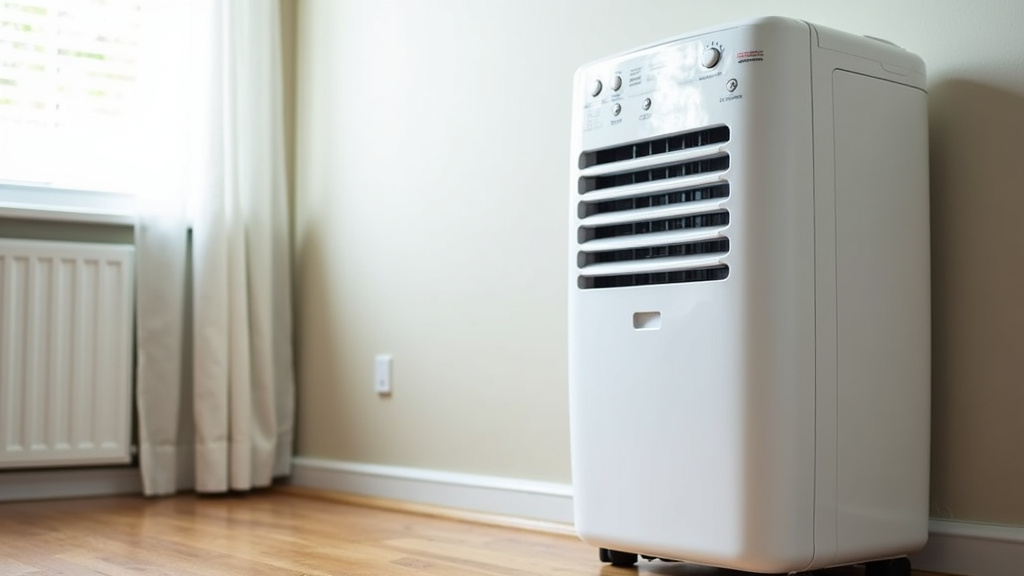
You’ve bought your dehumidifier. Now what? Proper setup and maintenance are crucial. They ensure your unit runs efficiently and effectively tackles those allergens. We’ve outlined some simple steps to get you started.
Optimal Placement for Performance
Where you put your dehumidifier makes a big difference. Placement can affect how well it removes moisture from the air. We found these tips to be most helpful:
- Central Location: Place it in a central area of the room or floor you want to dehumidify. Don’t tuck it away in a corner.
- Away from Obstructions: Keep it a few inches from walls or furniture. This allows for proper airflow into and out of the unit.
- Avoid Doorways: Placing it directly in a doorway can make it less efficient. It will pull air from other rooms you might not want to dehumidify.
- Common Problem Areas: Basements, laundry rooms, and bathrooms are often high-humidity zones. Consider a unit specifically for these areas if they’re particularly damp.
Remember, a dehumidifier works by pulling in moist air and releasing drier air. Good air circulation around the unit is key to its success.
Setting the Right Humidity Level
Finding the sweet spot for indoor humidity is important. Too high, and allergens thrive. Too low, and you might experience dry skin, irritated nasal passages, or even damage to wood furniture.
Many experts and health organizations recommend keeping your indoor relative humidity between 30% and 50%. We’ve found this range to be ideal for allergy sufferers. It discourages mold and dust mites without making your home uncomfortably dry.
Start by setting your humidistat to 45%. Observe how your home feels and how your allergy symptoms respond. You can adjust it slightly up or down from there.
Routine Maintenance Checklist
A well-maintained dehumidifier works better and lasts longer. Neglecting it can lead to decreased efficiency and even mold growth within the unit itself. Here’s a simple checklist:
- Empty the Water Bucket: Do this regularly if you’re not using continuous drainage. Some units have an indicator light when it’s full.
- Clean the Air Filter: Most dehumidifiers have a washable filter. Check it every few weeks and clean it as per the manufacturer’s instructions. A clogged filter reduces efficiency.
- Clean the Coils: Over time, dust can build up on the cooling coils. Gently vacuum or brush them clean once or twice a year.
- Check for Frost: If your unit is running in a very cool room, frost can build up on the coils. If this happens frequently, you might need a low-temperature model.
- Inspect Drainage Hose: If using continuous drainage, ensure the hose isn’t kinked or blocked. You want water to flow freely.
Regular cleaning prevents dust and debris from affecting its operation. It also ensures the air it releases is clean and free of recirculated allergens. Think of it as giving your allergy-fighting hero a tune-up!
Conclusion
You’ve seen how a dehumidifier isn’t just another appliance. It’s a powerful tool in your fight against indoor allergens. By actively reducing humidity, you directly impact the survival of dust mites and mold, two of the biggest allergy culprits. If pet dander is a concern, see whether a dehumidifier helps with pet allergies. We found that maintaining a relative humidity between 30% and 50% can transform your home into a less hospitable environment for these triggers.
Choosing the right unit and keeping it well-maintained are your next steps. Take control of your indoor air quality today. You can significantly improve your comfort and reduce those bothersome allergy symptoms.
Frequently Asked Questions
Can I use a dehumidifier in every room of my house?
While you can use a dehumidifier in any room, it’s most effective in areas with higher humidity. Think basements, bathrooms, or laundry rooms. You might need multiple units or a whole-house system for widespread dampness.
How quickly will I notice a difference in my allergy symptoms?
Many people report feeling better within a few days to a week. As dust mite and mold populations decline, you should experience fewer allergy symptoms. Consistency in running the dehumidifier is key. If you are choosing a unit for this purpose, compare dehumidifiers for allergy sufferers.
Does running a dehumidifier use a lot of electricity?
Older or oversized units can use more energy. Look for Energy Star certified models to save on electricity. Proper sizing for your space and using the humidistat to maintain an ideal level will also help manage energy consumption.
Can a dehumidifier make the air too dry?
Yes, if not set correctly. Aim for a relative humidity between 30% and 50% using the built-in humidistat. Going below 30% can cause dry skin, irritated nasal passages, or even damage to wood furniture.
Should I use a dehumidifier even if I don’t see mold?
Absolutely. Mold can grow invisibly behind walls or under flooring. High humidity alone creates ideal conditions for mold and dust mites. A dehumidifier helps prevent these issues before they become visible problems, protecting your health.