
Does a Dehumidifier Help with Eczema?
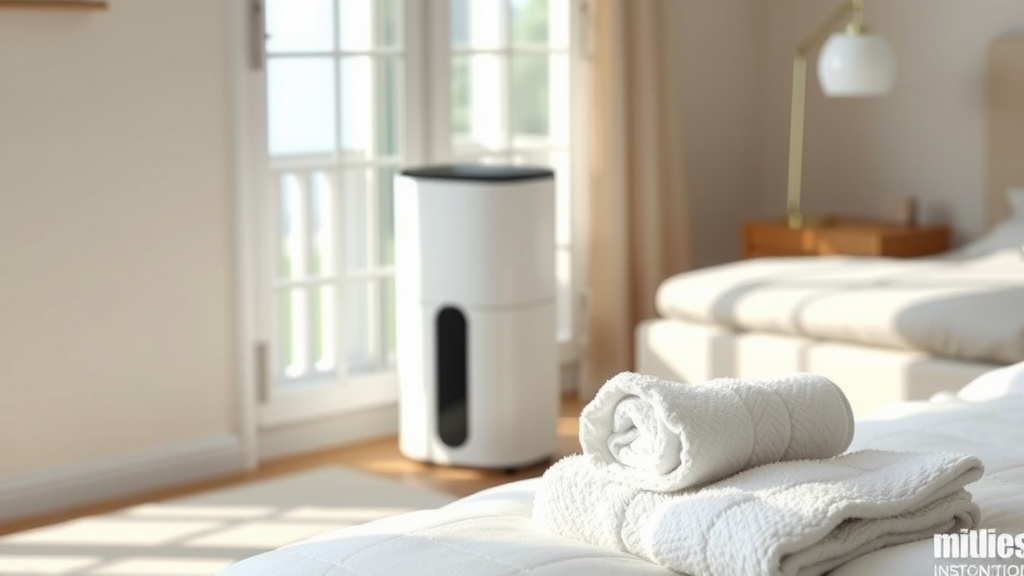
Yes, a dehumidifier can significantly help with eczema by controlling indoor humidity levels, which reduces common triggers like dust mites and mold, and prevents excessive sweating that irritates sensitive skin.
Maintaining an ideal indoor humidity between 30-50% with a dehumidifier can help create a more comfortable environment, minimizing flare-ups for eczema sufferers.
- A dehumidifier helps eczema by managing indoor humidity levels in your home.
- It works to reduce common allergens such as dust mites and mold, which often trigger flare-ups.
- Keeping humidity between 30-50% prevents skin from getting too dry or too sweaty.
- This creates a more comfortable environment, potentially reducing the frequency and severity of eczema symptoms.
- Consider a unit with a humidistat for automatic humidity control.
Does a Dehumidifier Help with Eczema?
Absolutely, a dehumidifier is a valuable tool in managing eczema symptoms by creating a more balanced indoor environment. Many experts say that controlling your home’s humidity can significantly impact your skin’s health.
Understanding Eczema and Humidity
Eczema is a skin condition that makes your skin red, itchy, and dry. It’s often sensitive to its surroundings. Environmental factors, especially humidity, play a big part in triggering or worsening symptoms.
Think of your skin as a delicate shield. When the air around it isn’t quite right, that shield can get stressed. Both very high and very low humidity levels can pose challenges for sensitive eczema-prone skin.
High Humidity’s Impact on Eczema
When the air is thick with moisture, your body sweats more. This sweat can irritate eczema, leading to more itching and discomfort. It’s like wearing a damp shirt all day; it just doesn’t feel good.
High humidity also creates a perfect breeding ground for common allergens. We found that dust mites thrive in humid conditions, and mold grows rapidly (Mayo Clinic). These tiny invaders are well-known eczema triggers.
Low Humidity’s Impact on Eczema
On the flip side, extremely dry air can strip moisture from your skin. This makes already dry, eczema-affected skin even drier. It can become flaky, cracked, and more prone to irritation.
Imagine a parched desert; your skin feels much the same. This dryness can compromise the skin barrier, making it easier for irritants to enter and cause an eczema flare-up. You need some moisture, just not too much.
How a Dehumidifier Can Be Your Ally
A dehumidifier works by removing excess moisture from the air. It’s like having a tiny weather controller for your home. This allows you to set and maintain a stable, comfortable humidity level. This steady environment is ideal for eczema sufferers.
By bringing humidity into a balanced range, you prevent those extreme conditions that bother your skin. It helps your skin breathe easier and reduces the chances of those pesky flare-ups. It’s about creating a haven for your skin.
Reducing Allergens with Dehumidification
One of the biggest wins of using a dehumidifier is allergen control. We found research shows that keeping indoor humidity below 50% significantly reduces dust mite populations (NIH). Less dust mites mean fewer triggers for you.
Dehumidifiers also help prevent mold and mildew growth. Mold spores are another big allergen that can worsen eczema symptoms. By drying out the air, you stop mold before it can even start to spread. This is a major step for relief.
Minimizing Skin Irritation
When the air isn’t overly damp, you’ll sweat less. Less sweat means less irritation on your sensitive skin. It’s a simple equation: less sweat equals less itching and discomfort.
This also helps your topical creams and moisturizers work better. When your skin isn’t constantly battling sweat or extreme dryness, it can absorb treatments more effectively. You get better results from your routine.
Finding the Right Humidity Level for Eczema
Many experts agree that the sweet spot for indoor humidity is between 30% and 50%. This range is comfortable for most people and discourages allergen growth. Think of it as the “Goldilocks zone” for your skin – just right.
To monitor your home’s humidity, use a hygrometer. Many dehumidifiers have one built-in, but a standalone unit gives you an accurate reading. This helps you keep a close eye on your environment and make adjustments. Knowing your numbers is key to success.
Dehumidifier Types and Features
You’ll find various types of dehumidifiers. Portable units are great for single rooms, while whole-home systems connect to your HVAC. Desiccant dehumidifiers work well in cooler climates. Choose what fits your space best.
Look for features like a built-in humidistat for automatic operation. An auto-shutoff feature prevents overflow. A continuous drain option means less emptying of the water bucket. These options make managing your indoor climate much easier and more efficient.
Setting Up Your Dehumidifier for Eczema Relief
Placement matters! Put your dehumidifier in the dampest areas first, like basements or bathrooms. If eczema is a full-home issue, consider a larger unit or multiple smaller ones. Make sure it’s not blocked by furniture.
Regular maintenance is also important. Clean the filter every few weeks to keep it running efficiently. Empty the water bucket regularly, or use a hose for continuous drainage. A clean unit works best for optimal eczema relief.
- Dehumidifier Best Practices:
- Target a humidity range of 30-50%.
- Place the unit in high-humidity areas.
- Clean the air filter regularly, usually monthly.
- Empty the water reservoir or use a drain hose.
- Monitor humidity levels with a separate hygrometer.
- Keep doors and windows closed for best results.
Other Ways to Manage Eczema in Your Environment
A dehumidifier is a great step, but it’s part of a bigger picture. Consider an air purifier with a HEPA filter to capture airborne allergens. Regular cleaning also removes dust and pet dander. Every little bit helps your eczema management plan.
| Environmental Factor | Impact on Eczema | Action to Take |
|---|---|---|
| High Humidity | Increases sweat, dust mites, mold | Use a dehumidifier |
| Low Humidity | Dries out skin, causes cracking | Use a humidifier (if needed), moisturize |
| Dust Mites | Common allergen, triggers flare-ups | Reduce humidity, vacuum, wash bedding hot |
| Mold Spores | Allergen, can worsen breathing and skin | Control moisture, clean mold with bleach solution |
| Pet Dander | Major allergen for some sufferers | Frequent cleaning, air purifiers, limit pet access |
When a Dehumidifier Might Not Be Enough
While a dehumidifier is a powerful tool, it’s not a magic cure. If your eczema symptoms persist or worsen, please consult a dermatologist or allergist. They can offer tailored advice and other treatment options (NIH). Your doctor can help you find the best path.
Combining environmental control with medical advice gives you the best chance for relief. Think of your dehumidifier as a strong team player, but it’s part of a larger team approach. Always prioritize your personal health journey.
Conclusion
Yes, a dehumidifier can be a fantastic helper in your battle against eczema. By effectively managing indoor humidity, you create an environment less hospitable to common triggers like dust mites and mold. This also keeps your skin from getting too sweaty or too dry, reducing irritation and promoting comfort. Adding a dehumidifier to your home care routine is a proactive step toward healthier, happier skin. Remember, consistency and the right humidity level make all the difference for your peace of mind and well-being.
FAQ: Can a Dehumidifier Dry Out My Skin Too Much?
No, not if used correctly. The goal is to reach a balanced humidity level, typically between 30-50%. If the air becomes too dry (below 30%), you might notice your skin feeling dry. Use a hygrometer to monitor levels and adjust your dehumidifier accordingly to prevent over-drying.
FAQ: How Often Should I Run My Dehumidifier?
You should run your dehumidifier as often as needed to maintain your target humidity level (30-50%). In very humid seasons or areas, it might run almost continuously. In drier periods, it may run less. Many units have a humidistat that lets them turn on and off automatically.
FAQ: Is It Safe for Babies with Eczema to Use a Dehumidifier?
Yes, it can be safe and beneficial for babies with eczema. Maintaining optimal humidity helps reduce allergens and discomfort. Always ensure the room doesn’t get too dry (below 30%) and that the unit is clean to avoid spreading dust or mold. Consult with your pediatrician for specific guidance.
FAQ: What Humidity Level is Best for Eczema Sufferers?
The optimal indoor humidity level for most eczema sufferers is between 30% and 50% relative humidity. This range discourages the growth of dust mites and mold, reduces excessive sweating, and helps prevent your skin from becoming too dry. It’s the ideal comfort zone.
FAQ: Will a Dehumidifier Also Help with My Asthma if I Have Eczema?
Yes, often it will! Eczema and asthma frequently coexist, and both can be triggered by similar environmental allergens like dust mites and mold. By reducing humidity, a dehumidifier helps control these allergens, which can improve both your eczema symptoms and your asthma.
