
Do HVAC Systems Have Dehumidifiers?
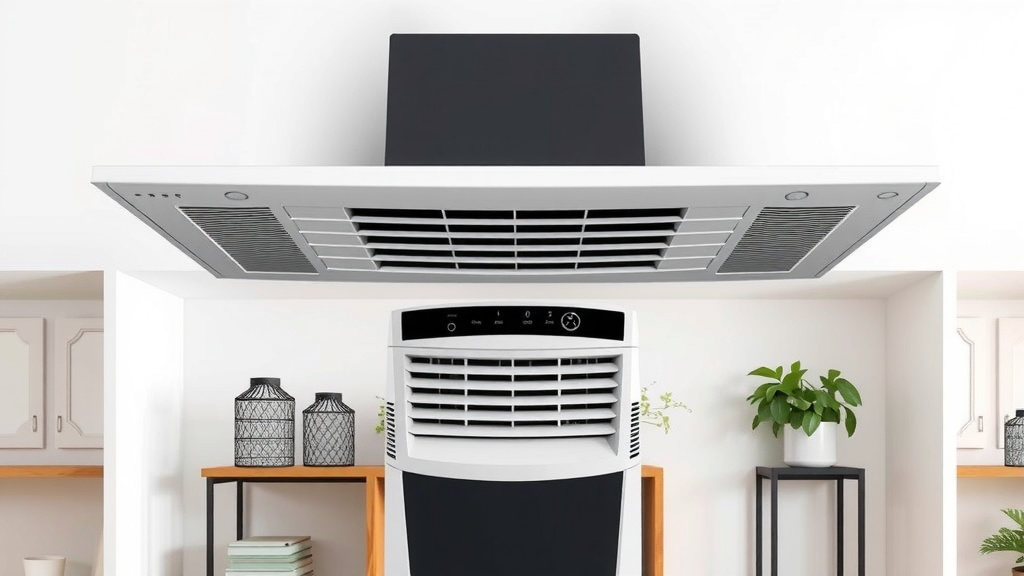
Most standard HVAC systems do not include a dedicated dehumidifier function.
While they remove some humidity as a byproduct of cooling, they aren’t designed for optimal whole-home dehumidification like a standalone unit.
Here’s a quick summary of what you’ll find in this article:
- Your typical HVAC system offers limited humidity control.
- Dedicated dehumidifiers are often necessary for real comfort and health.
- Whole-home dehumidifiers can integrate with your existing HVAC.
- Portable units provide flexible, localized moisture removal.
- Controlling humidity protects your home and improves air quality.
Do HVAC Systems Have Dehumidifiers?
You might assume your air conditioner handles all your home’s moisture issues. The truth is, a standard HVAC system’s main job is to cool your air. It removes some humidity as a natural part of the cooling process, but it’s not truly a dehumidifier in the dedicated sense.
How Your HVAC Deals with Moisture
When your air conditioner runs, it pulls warm, humid air across a cold evaporator coil. This chilling action causes water vapor in the air to condense onto the coil. This collected water then drips into a pan and drains away, effectively removing some moisture from the air.
The Cooling Process and Condensation
Think of it like a cold glass of water on a hot day. Condensation forms on the outside of the glass, right? Your HVAC coil works similarly. It gets very cold, causing the moisture in your home’s air to condense and drain outside your home.
Why Standard HVAC Isn’t Enough for Humidity
While your AC does dehumidify a bit, it’s a secondary effect. It doesn’t actively monitor or control the humidity level. It just runs until your desired temperature is met, leaving humidity levels to fluctuate (Environmental Protection Agency).
Limits of Thermostat Control
Your thermostat tells your HVAC when to cool the air. It doesn’t tell it to remove more humidity if the temperature is already comfortable. This means your system might not run long enough to adequately dry the air, especially in mild weather.
Energy Efficiency Concerns
Trying to lower humidity with just your AC can be inefficient. You might overcool your home just to get the air drier. This wastes energy and leaves you feeling chilly, even if the humidity is still too high.
The Real Need for Dedicated Dehumidification
For true comfort, health, and home protection, you often need more than just your AC. A dedicated dehumidifier actively works to pull excess moisture from your air, creating a much better indoor environment. We found that many homes benefit from this (ASHRAE guidelines).
Comfort and Health Benefits
High humidity makes you feel hotter and stickier, even at lower temperatures. It also encourages the growth of mold, mildew, and dust mites. These can trigger allergies and asthma symptoms, making your home feel less healthy (Mayo Clinic).
Protecting Your Home’s Structure
Persistent high humidity can damage your home. It can warp wooden floors, peel paint, and even lead to structural issues over time. Preventing this damage means protecting your biggest investment.
Types of Dehumidifier Solutions
If you’re noticing dampness or musty smells, it might be time to consider a dedicated dehumidifier. You have a few main options, depending on your home’s needs and your budget.
Whole-Home Dehumidifiers: The Integrated Choice
These units are installed directly into your existing HVAC ductwork. They work in conjunction with your heating and cooling system to manage humidity throughout your entire house. They offer precise and automatic control.
How They Connect to Your HVAC
A whole-home dehumidifier typically has its own controls and operates independently or alongside your HVAC. It pulls air from your return ducts, removes moisture, and then sends the drier air back into your supply ducts. It’s a seamless system upgrade.
Portable Dehumidifiers: Flexible and Focused
Portable units are standalone appliances that you can move from room to room. They are great for specific areas like a damp basement, a musty bedroom, or a humid laundry room. They offer immediate relief where you need it most.
Other Dehumidifier Options
Beyond traditional compressor-based units, some specialized options exist. Desiccant dehumidifiers, for example, use a moisture-absorbing material. These are often used in very cool environments where compressor units might struggle, such as an unheated garage or workshop.
Signs You Need Better Humidity Control
How do you know if your home’s humidity is too high? Watch for these common clues. Many homeowners overlook these signs until they become a larger problem.
- You feel sticky or clammy indoors.
- Musty odors are present, especially in certain rooms.
- Condensation appears on windows or cold pipes.
- Mold spots are visible on walls, ceilings, or fabrics.
- Wooden floors or furniture seem to swell or warp.
- Allergy symptoms worsen when you are home.
Making the Right Choice for Your Home
Choosing the right dehumidifier depends on several factors. Consider your home size, existing HVAC setup, and specific humidity problems. It’s not a one-size-fits-all solution.
Considering Your Climate
If you live in a naturally humid region, like the Southeast US, a whole-home solution might be more beneficial. In drier climates with occasional dampness, a portable unit might be sufficient for those intermittent humid days.
Sizing Your Dehumidifier Correctly
Dehumidifiers are sized by how much moisture they can remove in 24 hours (pints/day). A larger, wetter space needs a higher capacity unit. Too small a unit won’t keep up, while too large could waste energy. Many experts recommend professional sizing advice.
Here’s a quick comparison to help you decide:
| Feature | Whole-Home Dehumidifier | Portable Dehumidifier |
|---|---|---|
| Coverage | Entire house, integrated with HVAC | Single room or specific area |
| Installation | Professional installation into ductwork | Plug-and-play, easy setup |
| Convenience | Set and forget, automatic drainage | Manual water emptying (unless continuous drain) |
| Cost | Higher initial cost, efficient long-term | Lower initial cost, higher operating cost per sq. ft. |
Keeping Your Humidity in Check: Tips
Once you have a system in place, or even if you’re just looking to manage humidity better, a few habits can make a big difference. These simple steps can help you maintain a comfortable and healthy home environment.
- Run exhaust fans in bathrooms and kitchens.
- Fix leaky pipes or plumbing issues promptly.
- Ensure proper attic and crawl space ventilation.
- Use a hygrometer to monitor indoor humidity levels.
- Seal cracks and gaps around windows and doors.
- Consider houseplants that absorb moisture.
Conclusion
While your HVAC system helps remove some moisture, it typically isn’t a dedicated dehumidifier. For optimal comfort, health, and home protection, you might need a separate solution. Whether it’s a whole-home system integrated with your HVAC or a versatile portable unit, taking control of your indoor humidity is a smart move for any homeowner. You’ll breathe easier, feel more comfortable, and keep your home in better condition for years to come.
How can I tell if my home’s humidity is too high?
You can often tell by feeling sticky or seeing condensation on windows. Musty odors or visible mold spots are also strong indicators. Using a simple hygrometer, an affordable device that measures humidity, provides the most accurate answer.
Is a whole-home dehumidifier worth the investment?
For many homes in humid climates, a whole-home dehumidifier is definitely worth it. It offers consistent, automatic control across your entire house, leading to better air quality, increased comfort, and protection against mold and structural damage. It’s often more energy-efficient than using portable units everywhere.
Can a dehumidifier make my house feel warmer?
Not directly warmer, but it can make you feel more comfortable at higher temperatures. When humidity is high, your body struggles to cool itself through sweat evaporation. By removing excess moisture, a dehumidifier allows your sweat to evaporate more effectively, making a room at 75°F feel much cooler and more pleasant.
What is the ideal indoor humidity level?
Most experts agree that the ideal indoor humidity level is between 30% and 50%. This range discourages the growth of mold and dust mites, helps keep your respiratory system healthy, and prevents damage to your home’s structure and furnishings.
Do dehumidifiers use a lot of electricity?
The electricity usage of a dehumidifier varies by size, model, and how often it runs. Larger units and those running constantly will use more. However, they can sometimes save energy by allowing you to set your AC thermostat a few degrees higher while still feeling comfortable, reducing overall cooling costs.
