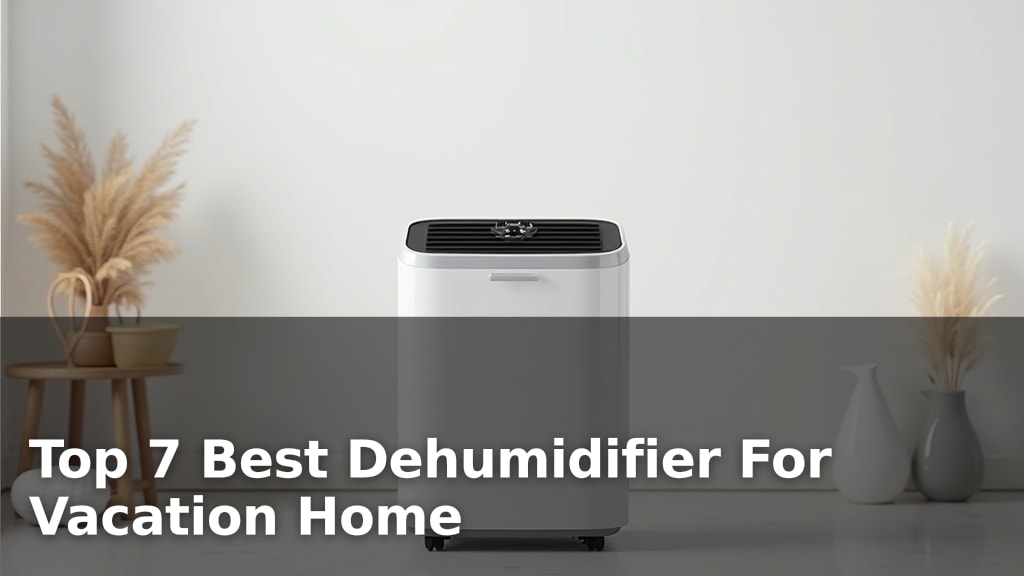
Do Dehumidifiers Work in Garages?
Yes, dehumidifiers work effectively in garages by reducing excess moisture and preventing humidity-related problems.
They are a practical solution for protecting your tools, vehicles, and stored items from dampness.
- Garages often suffer from high humidity, especially in damp climates or during wet seasons.
- Dehumidifiers actively pull moisture from the air, creating a much drier and safer environment for your belongings.
- Choosing the right size and type depends on your garage’s specific needs and power accessibility.
- Proper placement and simple maintenance steps ensure your dehumidifier operates efficiently for years.
- You can enjoy a healthier, more protected garage, free from mold, rust, and musty odors.
Do Dehumidifiers Work in Garages?
Absolutely, dehumidifiers are incredibly effective in garages. They actively remove excess moisture from the air, safeguarding everything you store inside.
If you’ve noticed dampness, musty smells, or rust forming on tools, a dehumidifier can be your garage’s best friend.
Why Your Garage Needs a Dehumidifier
Think about your garage. It’s often where we park cars, store tools, garden equipment, and even sensitive electronics. Many garages lack proper insulation or climate control, making them vulnerable to humidity.
This moisture isn’t just uncomfortable; it silently damages your valuable possessions. We found that garages are frequently breeding grounds for damp-related issues.
The Silent Enemy: Humidity’s Impact
High humidity creates a playground for mold and mildew. These fungi don’t just look unpleasant; they can also cause respiratory issues and trigger allergies (EPA).
Beyond health concerns, moisture rusts metal tools, corrodes car parts, warps wooden furniture, and can even ruin important documents or cardboard boxes. It’s a real problem for long-term storage protection.
Protecting Your Valuables
Imagine your classic car, your expensive power tools, or even sentimental items stored in your garage. Without humidity control, they’re all at risk. A dehumidifier acts as a shield, preserving their condition and extending their lifespan.
It helps keep everything in tip-top shape, so you don’t face unexpected repair costs or premature replacements.
How a Dehumidifier Tackles Garage Humidity
So, how does this clever device actually work its magic? It’s simpler than you might think, using basic principles of physics to pull moisture right out of the air.
Once you understand the process, you’ll appreciate just how vital it can be for a damp garage environment.
The Science Behind the Magic
A dehumidifier operates much like a small refrigerator. It pulls warm, moist air over cold coils. As the air cools, its moisture condenses into liquid water, which then drips into a collection bucket or drains away.
The now-drier air is reheated and released back into the garage, lowering the overall humidity level. It’s a continuous cycle that actively removes airborne water.
Different Types for Different Garages
Not all garages are the same, and neither are all dehumidifiers. There are a few main types, each with its strengths. Choosing the right one makes a big difference in performance and efficiency.
Consider your garage’s size, temperature, and how you want to handle the collected water.
| Dehumidifier Type | Best For | Key Feature | Consideration |
|---|---|---|---|
| Portable Compressor | Heated garages, general use | Cools air to condense moisture | Less efficient in cold temps |
| Low-Temp Compressor | Unheated garages, basements | Designed for colder environments | Costs a bit more upfront |
| Desiccant | Very cold garages (below 40°F) | Uses absorbent material to dry air | Can use more energy, quieter |
Choosing the Right Dehumidifier for Your Garage
Selecting the perfect dehumidifier means considering a few practical factors. You wouldn’t buy a tiny air conditioner for a huge living room, right? The same logic applies here.
Thinking about capacity, drainage, and energy use will help you pick a model that truly suits your garage.
Sizing It Up: Capacity Matters
Dehumidifier capacity is measured by how many pints of water it can remove in 24 hours. A bigger, damper garage needs a higher-capacity unit. We found that a standard 50-pint unit (rated under new DOE standards) is often suitable for a large, damp garage.
Always consider both your garage’s square footage and how humid it typically gets. The more humid, the higher capacity you need.
Drainage Options: Set and Forget?
Nobody wants to empty a water bucket daily. Most dehumidifiers offer different drainage options. You can choose a model with a removable bucket, or one that allows for continuous drainage via a hose directly into a floor drain.
Some even include a built-in pump to push water uphill to a sink, giving you true “set and forget” convenience. This can save you a lot of hassle.
Energy Efficiency: Saving Pennies
Running any appliance adds to your electricity bill. Look for models with an Energy Star rating. These units are designed to operate more efficiently, saving you money in the long run.
A more efficient unit might cost a bit more initially, but it often pays for itself through lower running costs over time.
Setting Up Your Garage Dehumidifier for Success
You’ve got your new dehumidifier! Now what? Proper setup and a little routine care will ensure it works its best. It’s not rocket science, but a few simple steps make all the difference.
Think of it like setting up any other tool; a little preparation goes a long way toward optimal performance.
Optimal Placement for Best Results
Where you place your dehumidifier matters. For the best performance, put it in a central spot, away from walls and obstructions. This allows for proper airflow around the unit, letting it pull moisture evenly from the air.
Avoid placing it directly against a wall or in a corner where air circulation is limited; this reduces its overall effectiveness.
Regular Maintenance: A Simple Routine
Maintaining your dehumidifier is easy and keeps it running smoothly. The most important task is cleaning the air filter regularly, usually every few weeks or months, depending on use.
A clogged filter makes the unit work harder, uses more energy, and performs less effectively. Also, if you’re using the bucket, make sure to empty and clean it periodically to prevent mildew buildup.
Signs Your Garage is Too Humid
Are you still wondering if your garage really needs a dehumidifier? Sometimes the signs are obvious, but other times they’re subtle. Look out for these tell-tale clues that indicate excess moisture is present:
- Condensation on windows, pipes, or metal surfaces
- A persistent musty or damp odor
- Visible mold or mildew growth on walls, ceilings, or stored items
- Rust forming on tools, machinery, or vehicle parts
- Sticky, clammy feeling when you enter the garage
- Wood items feeling damp or showing signs of warping
Conclusion
Dehumidifiers are undeniably effective in combating the unique humidity challenges of a garage. They offer a simple, practical solution to protect your investments, maintain a healthier environment, and eliminate unpleasant dampness.
By choosing the right unit for your space and following basic setup and maintenance tips, you can enjoy a garage that’s dry, functional, and free from the damaging effects of excess moisture. It’s a smart investment for any garage owner looking to preserve their belongings and comfort.
FAQ: What size dehumidifier do I need for a standard two-car garage?
For a standard two-car garage that experiences moderate dampness, a 50-pint (new DOE rating) dehumidifier is often a good starting point. If your garage is particularly large, poorly sealed, or very damp, you might consider a larger 70-pint unit for optimal performance.
FAQ: Can I use a regular household dehumidifier in my garage?
Yes, you can use a regular household dehumidifier, but consider one designed for basements or low temperatures if your garage gets cold. Standard units may not perform well below 65°F. Check the operating temperature range in the product specifications to ensure it’s suitable for your garage’s typical climate.
FAQ: How often should I empty the water tank?
How often you empty the tank depends on the humidity level in your garage and the dehumidifier’s capacity. In very damp conditions, you might need to empty it daily. To avoid frequent emptying, consider a unit with continuous drainage that connects directly to a floor drain or a pump to remove water automatically.
FAQ: Will a dehumidifier increase my electricity bill significantly?
Running a dehumidifier will add to your electricity bill, similar to other appliances. However, the cost can be offset by protecting valuable items from humidity damage. To minimize energy consumption, choose an Energy Star-rated model and ensure it’s properly sized for your garage, so it doesn’t have to work overtime.
FAQ: What humidity level should I aim for in my garage?
Many experts recommend keeping indoor humidity levels between 30% and 50% to prevent mold growth and protect belongings. For a garage, aiming for a range of 40% to 50% relative humidity is generally ideal to keep it comfortable and safeguard against moisture-related problems.