Do Furnaces Have Dehumidifiers on Them?
On this page (5 sections)
No, furnaces themselves do not have dehumidifiers built into them. Their primary function is to heat your home.
While your furnace works as part of your HVAC system, any dehumidification usually comes from your air conditioner or a separate, dedicated dehumidifier unit.
- Furnaces are designed to heat your home, not remove humidity.
- Air conditioners offer some dehumidification as a natural part of their cooling process.
- For proper humidity control, especially in humid climates, a dedicated dehumidifier is often needed.
- High indoor humidity can cause discomfort, mold growth, and potential health issues.
- Whole-house dehumidifiers can integrate with your existing HVAC system for balanced indoor air quality.
Do Furnaces Have Dehumidifiers on Them?
When you feel that sticky, muggy air inside your home, you might wonder if your furnace can help. It’s a common thought. But the simple truth is that furnaces are built for warmth, not for drying out your air. They focus entirely on raising the temperature.
Understanding Your HVAC System’s Role
Your heating, ventilation, and air conditioning (HVAC) system is a team of components. Each part has a specific job. Think of it like a specialized crew. Your furnace is the heater. Your air conditioner is the cooler. They don’t usually swap roles.
What Does a Furnace Really Do?
A furnace’s sole purpose is to generate heat. It takes cool air, warms it, and then circulates that warm air through your home’s ductwork. It’s a champion at heating, but when it comes to moisture, it largely remains neutral. It doesn’t actively add or remove humidity.
How Air Conditioners Handle Humidity
Now, your air conditioner is a different story. When an AC cools your home, it naturally pulls moisture out of the air. This happens as warm, humid air passes over cold evaporator coils. The moisture condenses and drips away. So, an AC provides some dehumidification as a welcome side effect of cooling (Energy Star).
However, this dehumidification is often not enough. If your home still feels damp after running the AC, you likely need a dedicated solution.
Why Do You Need a Dehumidifier Anyway?
You might be thinking, “Does it really matter if my air is a little humid?” Yes, it matters a great deal! Proper humidity levels are key to both your comfort and your home’s well-being. Too much moisture can cause a host of problems.
Signs Your Home Has Too Much Humidity
Are you seeing tell-tale signs around your house? Maybe you’ve noticed certain things that make you wonder. Here are some common indicators:
- Musty odors, especially in basements or bathrooms.
- Condensation on windows or cold surfaces.
- Peeling paint or wallpaper.
- Warped wood floors or furniture.
- Sticky feeling on your skin, even when the temperature is comfortable.
- Visible mold or mildew growth.
These signs are like your home’s way of telling you it needs a little help with moisture control.
Health and Home Problems from High Humidity
When humidity levels climb too high, they create an ideal environment for unwanted guests. Mold and dust mites thrive in damp conditions. Many experts say that indoor humidity above 60% can promote mold growth (CDC).
This can lead to allergy symptoms, respiratory issues, and an overall uncomfortable feeling. You might experience irritated sinuses or more frequent asthma flare-ups (NIH). Your home suffers too, with potential damage to structures and belongings.
The Comfort Factor
Even if you don’t see mold, high humidity makes you feel warmer. The air feels heavy and sticky. When sweat can’t evaporate properly from your skin, you just feel clammy and uncomfortable. A comfortable home usually maintains humidity levels between 30% and 50% (Mayo Clinic).
Dedicated Dehumidification Options
If your AC isn’t cutting it, or if you need humidity control during cooler months when the furnace runs, you have excellent choices. Dedicated dehumidifiers are designed specifically for this job.
Whole-House Dehumidifiers: The Integrated Solution
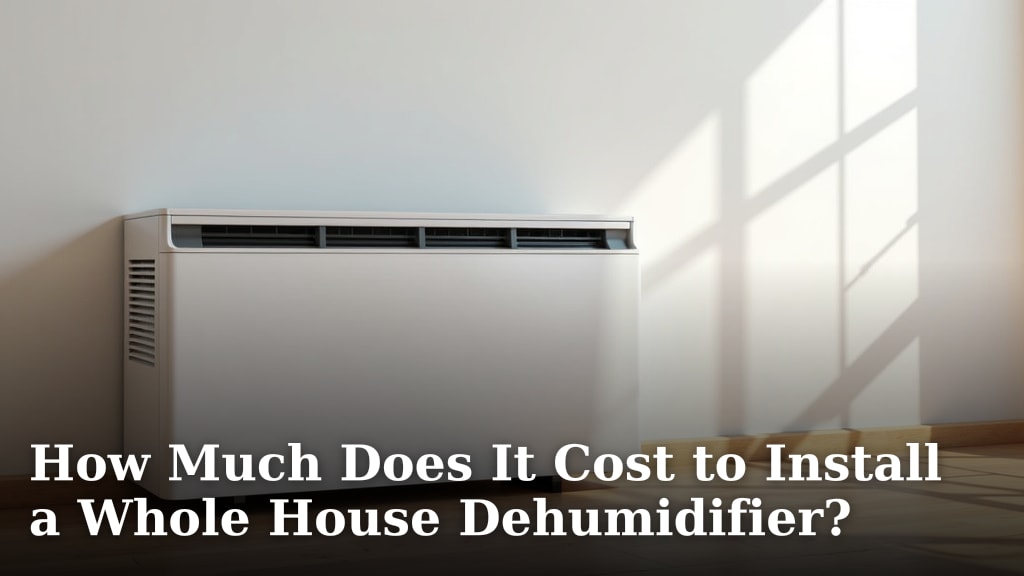
Imagine a dehumidifier that works seamlessly with your existing heating and cooling system. That’s a whole-house dehumidifier. This unit connects directly to your HVAC ductwork. It treats the air throughout your entire home, offering balanced humidity levels everywhere.
We found that these systems provide the most consistent and effective humidity control. They are quiet and you don’t even notice them working.
How Whole-House Dehumidifiers Work with Your Furnace
A whole-house dehumidifier can operate independently or alongside your furnace or AC. When the air handler or furnace fan runs, the dehumidifier can kick in to remove moisture. It uses its own dedicated cooling coil to draw out humidity, then sends the drier air back into your home. This is great for those muggy fall or spring days when you don’t need cooling but still need to dry out the air.
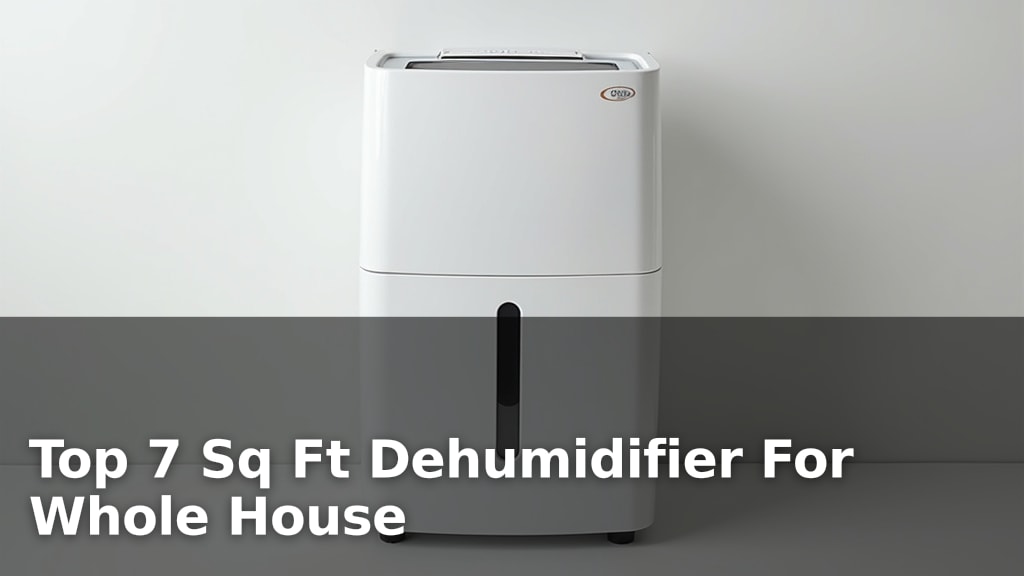
Portable Dehumidifiers: A Quick Fix
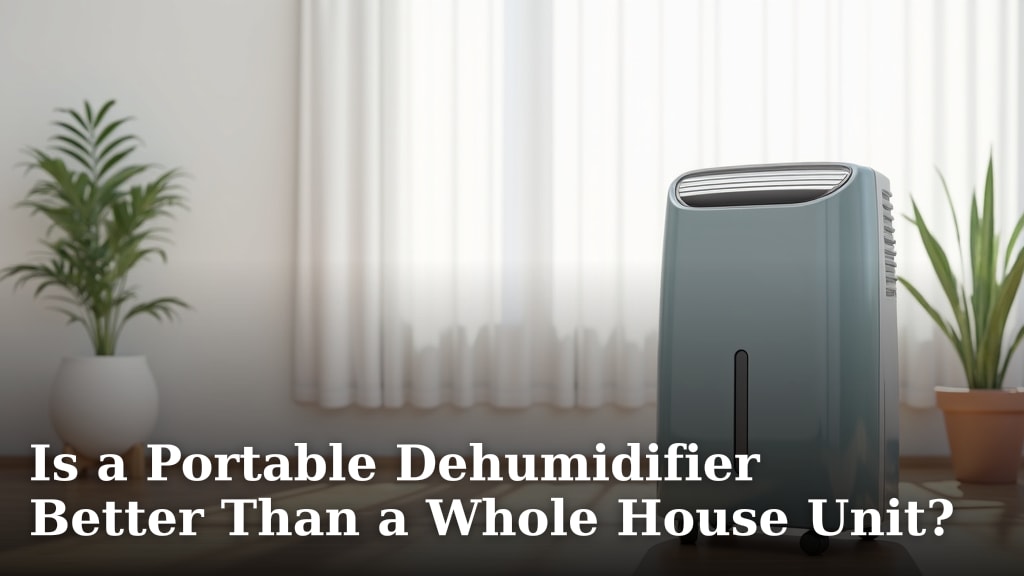
For smaller areas or temporary solutions, a portable dehumidifier can be a good choice. These units are self-contained and plug into a standard outlet. They collect water in a removable bucket that you empty. While handy for a single room, they require more manual effort and don’t offer whole-home coverage.
Making the Right Choice for Your Home
Deciding on the best dehumidification strategy depends on your specific needs. Are you dealing with a persistent whole-house problem or just a damp basement? Thinking through these questions helps guide your decision.
Factors to Consider When Choosing
When you’re looking at options, keep a few things in mind. Consider the size of the area you need to dehumidify. Think about your local climate too. If you live in a very humid region, a more robust solution will be more effective. Your budget also plays a role, of course.
Professional Installation Versus DIY
Installing a whole-house dehumidifier involves connecting it to your ductwork and drainage system. This often requires professional expertise. Many experts say a certified HVAC technician can ensure proper sizing and seamless integration. Portable units are simply plug-and-play, perfect for those who like to manage things themselves.
Here’s a quick look at the main players in humidity control:
| Appliance | Primary Function | Dehumidification Capability |
|---|---|---|
| Furnace | Heating | None |
| Air Conditioner (AC) | Cooling | Byproduct of cooling; often not enough |
| Whole-House Dehumidifier | Dedicated humidity removal | Excellent, whole-home control |
| Portable Dehumidifier | Dedicated humidity removal | Good for single rooms or small zones |
Considering a dehumidifier? Here’s a quick checklist to guide you:
- Assess your home’s humidity levels with a hygrometer.
- Identify areas with visible signs of moisture or mold.
- Determine if you need whole-house or spot treatment.
- Research different dehumidifier types and their features.
- Consult with an HVAC professional for whole-house options.
- Factor in energy efficiency ratings for long-term savings.
Conclusion
While your furnace is a vital part of keeping your home warm, it won’t help you manage indoor humidity. For truly comfortable and healthy indoor air, you need a dedicated solution. Whether it’s a whole-house system working quietly with your HVAC, or a portable unit tackling a specific room, taking control of your humidity is a smart move. You’ll likely notice a big difference in comfort, air quality, and even the longevity of your home’s structure. Don’t let muggy air win; empower your home with the right tools for moisture control.
Are whole-house dehumidifiers energy efficient?
Modern whole-house dehumidifiers are designed to be quite energy efficient. They use less power than running your AC for dehumidification purposes alone, especially since they don’t overcool your home. Look for units with an Energy Star rating for optimal efficiency.
Can I just use my air conditioner for dehumidification?
Your air conditioner does remove some humidity as it cools, but it’s not its primary job. If your home is still humid when the AC is running, or if you need to dehumidify without cooling, a dedicated dehumidifier is far more effective. Running your AC solely for humidity can also lead to overcooling your home.
What is the ideal indoor humidity level?
Many experts and research suggest maintaining indoor humidity levels between 30% and 50% relative humidity (RH). This range helps prevent mold and dust mite growth, keeps you comfortable, and protects your home’s structure. Going too low can also cause issues like dry skin and static electricity.
Can high humidity damage my furnace?
While high humidity doesn’t directly damage the heating elements of your furnace, it can contribute to mold and mildew growth in your ductwork or on filters. This can reduce air quality and potentially strain your HVAC system over time. Keeping humidity balanced helps protect all components of your air system.
When is the best time to run a dehumidifier?
You should run a dehumidifier whenever indoor humidity levels rise above the ideal 50% threshold. This often happens during humid summer months, rainy seasons, or even in basements year-round. Many whole-house units have humidistats that automatically turn the unit on and off as needed, providing hands-off operation.