Can You Leave a Dehumidifier on Overnight?
On this page (3 sections)
Yes, you can leave a dehumidifier on overnight, and it’s often beneficial for your home’s air quality. For more, read our overnight safety guide. Many homeowners regularly run their dehumidifiers continuously, especially in humid environments, to maintain comfortable indoor conditions and prevent mold growth. See our guide to leaving a dehumidifier on when you go out. Just make sure your unit is in good working order.
Running your dehumidifier while you sleep can help you wake up to a fresher, less muggy home. It also protects your belongings from moisture damage. For optimal performance, ensure your dehumidifier has a continuous drainage option or a large water tank. This helps your unit run without interruption, making your air much drier.
- You can run your dehumidifier safely overnight.
- It helps with air quality and prevents mold.
- Check your unit’s features like continuous drainage.
- Consider the noise level for everyone’s comfort.
- Empty the water tank regularly if no drain hose is attached.
Let’s dive into all the details about what you need to consider when leaving your dehumidifier on overnight.
Running Your Dehumidifier Through the Night: What You Need to Know
You can certainly leave a dehumidifier on all night. In fact, many people find this the most effective way to manage indoor humidity. It helps maintain a comfortable and healthy living space while you sleep.
The Benefits of Overnight Dehumidification
Why let your dehumidifier work while you’re dreaming? There are several compelling reasons. It’s not just about comfort; it’s about protecting your home and your health.
Improved Sleep Quality
Ever tried to sleep in a sticky, humid room? It’s tough! High humidity can make you feel hot and uncomfortable, disturbing your sleep. Running a dehumidifier creates a drier, cooler environment that promotes better rest. Imagine waking up refreshed, not clammy.
Mold and Mildew Prevention
Mold and mildew thrive in moist conditions. Leaving your dehumidifier on overnight significantly reduces the humidity levels that allow these unwelcome guests to grow. This is especially important in basements, bathrooms, or other damp areas (Environmental Protection Agency).
Protection for Your Home and Belongings
Excess moisture isn’t just bad for your health; it’s bad for your stuff. High humidity can damage wooden furniture, electronics, books, and even structural elements of your home. A dehumidifier acts as a silent guardian, preserving your possessions and the integrity of your house.
Considerations for Overnight Operation
While the benefits are clear, there are a few things to keep in mind to ensure your dehumidifier runs safely and efficiently overnight. A little preparation goes a long way.
| Factor to Consider | Why It Matters for Overnight Use |
|---|---|
| Water Tank Capacity | A small tank means frequent emptying. Not ideal at 3 AM! |
| Continuous Drainage | Connect a hose for uninterrupted operation. Pure convenience. |
| Noise Level | Some units are louder than others; crucial for light sleepers. |
| Energy Consumption | Running all night uses more power. Look for energy-efficient models. |
| Placement | Good airflow around the unit improves performance and safety. |
Water Removal Options
This is probably the biggest consideration for overnight use. How will the water be collected? You have two main methods.
Manual Tank Emptying
Many dehumidifiers come with a collection tank. This works fine for shorter periods. However, if you’re running it all night, a small tank might fill up, causing the unit to shut off. You’d have to wake up to empty it, which defeats the purpose of sleeping!
Continuous Drainage
This is the gold standard for overnight or continuous operation. Most modern dehumidifiers have a port for a garden hose. You can run this hose to a floor drain, sink, or even out a window. This allows the unit to run non-stop without needing your attention.
Noise Levels
Dehumidifiers aren’t silent. They make some noise. Think about where your dehumidifier will be running. Is it in your bedroom? A quiet unit is vital for a restful night. If it’s in a basement or living area, a slightly louder hum might not be as disruptive. Check the decibel (dB) rating before you buy.
Energy Consumption
Running any appliance 24/7 adds to your electricity bill. Dehumidifiers can use a fair amount of power. Look for units with an Energy Star rating. These are designed to be more energy-efficient, saving you money in the long run. Setting the humidity level appropriately also helps conserve energy.
Optimizing Dehumidifier Placement for Nighttime
Where you put your dehumidifier matters. Proper placement ensures it works effectively and safely, especially when it’s on for extended periods.
- Central Location: Place it in the dampest room or a central area for whole-house dehumidification.
- Away from Walls: Give it some breathing room, at least 6-12 inches away from walls and furniture. This ensures proper airflow.
- On a Flat Surface: A stable, level surface prevents tipping and ensures the water collection system works correctly.
- Not in Direct Sunlight: Avoid placing it where it will get direct sun exposure, as this can affect its sensors and overall efficiency.
Setting the Right Humidity Level
What’s the ideal humidity for a comfortable night? Most experts agree that an indoor humidity level between 30% and 50% relative humidity is best (American Society of Heating, Refrigerating and Air-Conditioning Engineers). Too low, and you might experience dry skin or irritated sinuses. Too high, and mold can become a concern.
Your dehumidifier often has a built-in humidistat. Set it to your desired level, and the unit will cycle on and off automatically to maintain it. This helps save energy and keeps conditions just right.
Safety First: What to Check
Operating a dehumidifier overnight is generally safe, but a quick check ensures peace of mind.
- Clear Air Vents: Make sure nothing is blocking the intake or exhaust vents. Blocked vents can lead to overheating.
- Power Cord Condition: Inspect the power cord for any fraying or damage. Never use a damaged cord.
- Stable Positioning: Ensure the unit is on a stable, flat surface where it won’t be easily knocked over.
- Drainage System: If using continuous drainage, check that the hose is securely connected and the water flows freely to the drain.
Regular Maintenance for Continuous Use
Just like any appliance, your dehumidifier needs a little tender loving care. Regular maintenance ensures it runs efficiently and safely, especially when operating all night.
Cleaning the Air Filter
Your dehumidifier pulls air through a filter to remove dust and allergens. This filter can get dirty quickly, especially with continuous use. A clogged filter makes the unit work harder, consuming more energy and reducing its effectiveness. Most manufacturers recommend cleaning or replacing the filter every 1-3 months. It’s usually a simple rinse under the tap or a quick vacuum.
Cleaning the Water Reservoir
Even if you’re using continuous drainage, it’s good practice to occasionally clean the water reservoir. If you’re manually emptying the tank, clean it more frequently. Stagnant water can sometimes lead to mold or mildew growth inside the tank itself. A little soap and water or a mild bleach solution can keep it fresh and clean.
Checking for Ice Buildup
In cooler environments, especially if the dehumidifier is in an unheated basement, the coils might ice up. Many units have an automatic defrost feature, but it’s worth checking occasionally. If you notice ice, turn the unit off and let it thaw completely. Icing issues often mean the room is too cold for the unit to operate efficiently or it needs servicing.
When to Avoid Overnight Operation
While generally safe and beneficial, there are a few scenarios where you might want to reconsider running your dehumidifier all night.
- Extremely Old or Damaged Unit: If your dehumidifier is very old, making strange noises, or seems damaged, it’s best not to leave it unattended.
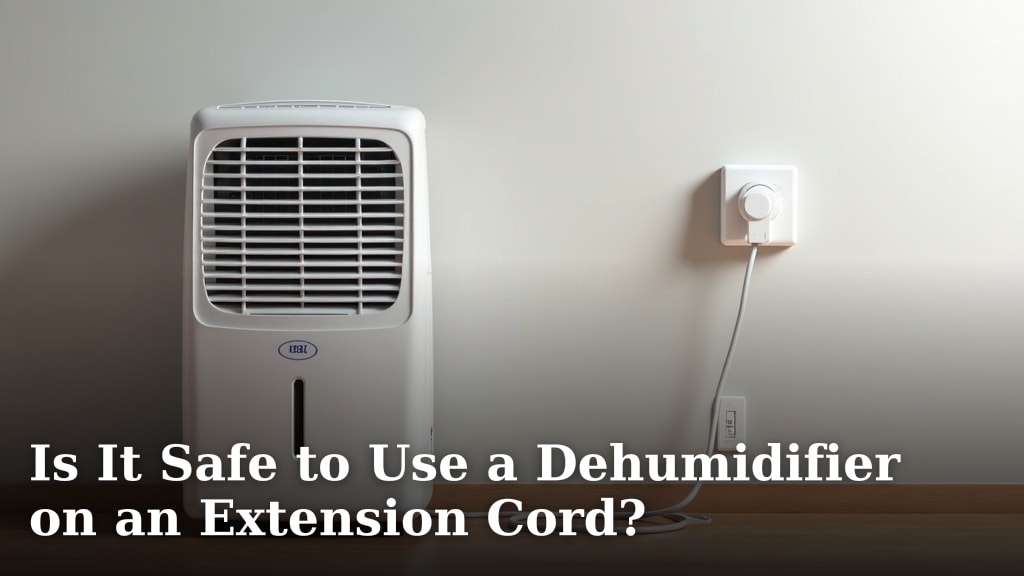
- Unstable Electrical Outlets: Avoid using it with old, loose, or damaged electrical outlets. Ensure it’s plugged directly into a wall outlet, not an extension cord unless absolutely necessary.
- Risk of Overheating: If the unit gets unusually hot to the touch during operation, there might be an issue. Unplug it and have it checked.
- No Continuous Drainage and Small Tank: If you don’t have continuous drainage and your tank fills up quickly, it’s not practical to run it all night. You’ll be constantly getting up to empty it.
By keeping these points in mind, you can enjoy the many benefits of a dehumidifier running overnight, helping you create a healthier and more comfortable home environment.
Conclusion
Leaving your dehumidifier on overnight is not only safe but can greatly improve your home environment. By understanding your unit’s features, like continuous drainage and noise levels, you can optimize its performance.
Maintaining a balanced humidity protects your health, keeps your belongings safe, and ensures a good night’s sleep. Regular cleaning and proper placement will help your dehumidifier work efficiently for years to come.
Take these steps to make your home a healthier, more comfortable place, day and night.
Frequently Asked Questions
Can a dehumidifier cause health problems if it runs too much?
Running a dehumidifier excessively can make the air too dry, potentially leading to dry skin irritation, itchy eyes, or aggravated respiratory issues. Aim for a humidity level between 30% and 50% for optimal comfort and health benefits.
How long can a dehumidifier run continuously without issues?
Many modern dehumidifiers are designed for continuous operation, especially models with continuous drainage. As long as you perform regular maintenance, such as cleaning the filter and checking for ice buildup, it can run for extended periods without issues.
Is it okay to run a dehumidifier in a bedroom while sleeping?
Yes, it’s perfectly fine to run a dehumidifier in your bedroom overnight, provided the noise level isn’t disruptive. A quieter model can help create a more comfortable sleeping environment by reducing humidity and improving air quality.
Will running my dehumidifier all night significantly increase my electricity bill?
Running a dehumidifier overnight will use electricity, and the increase in your bill depends on the unit’s energy efficiency and your local electricity rates. Choosing an Energy Star-rated model and setting the humidistat appropriately can help minimize energy consumption.
What’s the main difference between a dehumidifier and an air conditioner for humidity removal?
An air conditioner primarily cools the air, and dehumidification is a byproduct of its cooling process. A dehumidifier is specifically designed to remove moisture from the air without significantly changing the temperature, making it more efficient for humidity control alone.