
Why Is My Dehumidifier Pump Not Working?
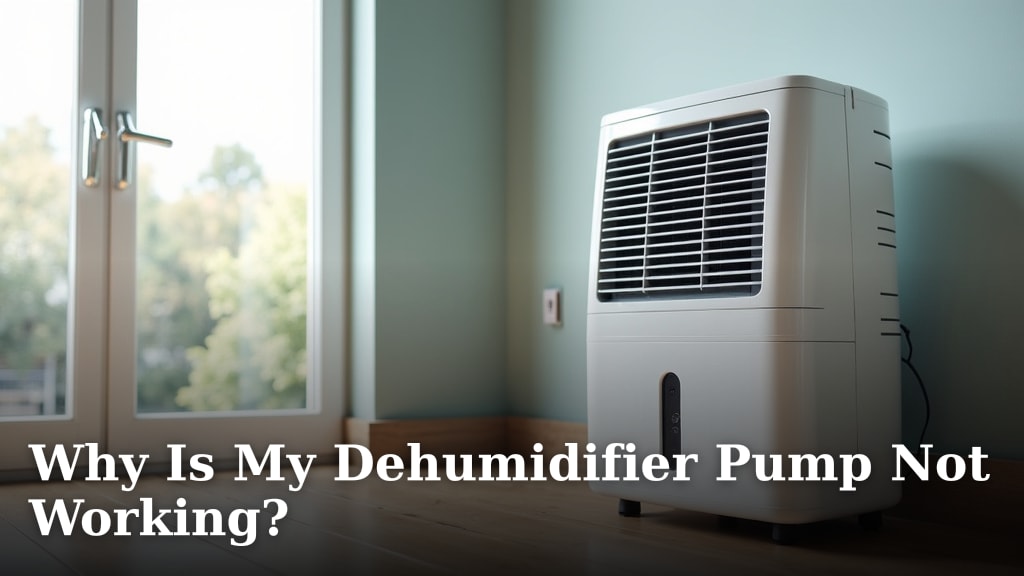
If your dehumidifier pump isn’t working, it’s usually due to a clogged hose, a faulty float switch, or a broken pump motor. These are the most common culprits when your trusty appliance stops draining water. Understanding these issues can help you troubleshoot quickly.
It’s frustrating when a dehumidifier pump stops working, especially when you rely on it to keep your home dry. Many users report problems with water backing up or the pump making strange noises. We found these issues are often fixable with a little attention.
- Clogged hose is a common culprit.
- A faulty float switch can stop the pump.
- The pump motor itself might be broken.
- Check your power source first!
- Regular cleaning prevents many problems.
Let’s walk through the most likely reasons your dehumidifier pump isn’t doing its job and what you can do about it.
Your dehumidifier is working hard to keep your home comfortable and healthy. So when the pump stops working, it’s a real bummer. Water can start to back up, and that’s never a good thing. Let’s figure out why your dehumidifier pump might be refusing to cooperate.
Troubleshooting a Dehumidifier Pump That Won’t Drain
When your dehumidifier pump is acting up, it’s usually because of one of a few common issues. We’ll cover the most likely culprits so you can get your unit draining again. Think of it like a plumbing problem, but for your air! We found that simple checks often solve the problem.
Checking the Simple Stuff First
Before diving into complex parts, let’s make sure the basics are covered. Sometimes, the answer is staring you right in the face, or rather, right behind the unit.
Is It Plugged In and Powered On?
This sounds obvious, but we’ve all done it. Double-check that your dehumidifier is properly plugged into a working electrical outlet. Sometimes a tripped breaker can be the culprit, or maybe the outlet itself has lost power. Ensure the dehumidifier’s power switch is also in the ‘on’ position. Research from appliance repair sites consistently shows power supply issues are surprisingly common. Research from appliance repair sites consistently shows power supply issues are common.
Is the Pump Switch Engaged?
Many dehumidifiers have a specific switch or setting for the pump to operate. Make sure you haven’t accidentally turned it off. If your model uses a digital interface, navigate through the settings to confirm the drain pump is active. It’s a small detail, but it’s easy to overlook.
The Clogged Hose: A Frequent Offender
The most common reason your dehumidifier pump isn’t working is a clogged drainage hose. Over time, sediment, mold, or even tiny debris can build up inside the hose, preventing water from flowing freely. Imagine trying to drink through a straw full of sand – it just doesn’t work!
How to Inspect and Clear the Hose
First, safely disconnect your dehumidifier from power. Then, carefully detach the drainage hose from the unit. You might need a towel handy, as there could be some residual water. Inspect the hose by holding it up to a light. If you can see blockages, try to dislodge them.
- Flush with water: Try running warm water through the hose. A garden hose can be helpful for a strong flush.
- Use a thin, flexible tool: A straightened wire hanger or a plumbing snake designed for small drains can gently push out obstructions. Be careful not to puncture the hose.
- Vinegar soak: For stubborn mold or mineral buildup, you can soak the hose in a solution of equal parts white vinegar and water for a few hours.
Once cleared, reattach the hose securely. We found that regular flushing, perhaps once a month, can prevent these clogs from forming in the first place. We found that regular flushing, perhaps once a month, can prevent these clogs from forming in the first place.
The Float Switch: The Silent Guardian
Your dehumidifier pump has a float switch. This little gadget is like the captain of the ship, telling the pump when it’s time to get to work and when to stop. It rises with the water level and activates the pump. If this switch is stuck or faulty, the pump won’t turn on.
What is a Float Switch and Why It Matters
The float switch is typically a small arm with a ball or disc on the end. As water fills the collection tank or reservoir, the float rises. When it reaches a certain height, it triggers a mechanical or electrical connection that starts the pump. If the float gets stuck in the ‘down’ position (no water), it won’t signal the pump to run. If it’s stuck ‘up,’ it might keep the pump running unnecessarily or trigger a shutoff prematurely.
Troubleshooting a Stuck or Faulty Float Switch
With the unit unplugged, locate the float switch inside the dehumidifier’s water tank. Gently try to move the float arm up and down. Does it move freely? If it feels sticky or jammed, try cleaning around it with a soft cloth. Sometimes a bit of condensation or a tiny bit of debris can cause it to stick. If cleaning doesn’t help, the switch itself might be broken and may need to be replaced. Many manufacturers offer replacement parts.
The Pump Motor: The Heart of the Operation
If the hose is clear and the float switch seems to be working correctly, the problem might be with the pump motor itself. This is the component that actually does the heavy lifting, pushing the water out through the hose. If the motor has failed, it simply can’t do its job.
Signs of a Failing Pump Motor
You might hear unusual noises coming from the pump, like grinding or buzzing, when it’s supposed to be running. Or, you might hear nothing at all. If the pump motor is burned out, there’s no amount of troubleshooting that will revive it. It’s like trying to start a car with a dead engine – it just won’t go.
When to Consider Professional Help or Replacement
Repairing or replacing a pump motor can be tricky and often requires specialized knowledge. If you’re not comfortable with disassembling appliance parts, it’s best to consult a qualified appliance repair technician. They can diagnose whether the motor is indeed the issue and if it’s worth the cost of repair versus buying a new dehumidifier. Keep in mind that dehumidifiers, especially older models, might be more cost-effective to replace than repair if major components like the motor fail.
Other Potential Issues to Consider
While less common, a few other factors could be preventing your pump from working.
Blocked Air Filter
A severely clogged air filter can impede the overall performance of your dehumidifier. While it doesn’t directly stop the pump, it can cause the unit to work harder and potentially overheat, leading to safety shutoffs. Check and clean or replace your air filter regularly.
Internal Sensor Malfunctions
Modern dehumidifiers have various sensors to monitor humidity levels, temperature, and water collection. If one of these sensors malfunctions, it could send incorrect signals to the pump system, preventing it from operating. This is a more complex issue that usually requires professional diagnosis.
Preventative Maintenance: Your Best Defense
The best way to avoid pump problems is through regular maintenance. A little bit of care goes a long way in keeping your dehumidifier running smoothly for years to come.
A Simple Checklist for Pump Health
Here’s a quick rundown of what you can do:
- Check the hose weekly: Ensure it’s not kinked or obstructed.
- Empty the tank manually: Periodically, if your pump isn’t running, remove and empty the water tank. This ensures the float switch is getting a chance to activate.
- Clean the float switch: Gently wipe it down to prevent sticking.
- Inspect the pump outlet: Make sure water can exit the unit freely.
- Clean the air filter monthly: This helps the whole unit function better.
- Run the pump regularly: Even if it’s not heavily humid, run the pump setting for a few minutes now and then to keep it from seizing up.
By following these steps, you can significantly reduce the chances of encountering a stubborn dehumidifier pump. Remember, a little attention keeps your home comfortable and your dehumidifier happy!
Conclusion
You’ve learned that a non-working dehumidifier pump usually boils down to a few common culprits. Often, it’s a simple clogged hose or a stuck float switch. Sometimes, the pump motor itself might be the issue. We’ve walked through how to check power, inspect hoses, and gently test that float switch. Remember, a little preventative maintenance can save you a lot of hassle.
If you’ve tried these steps and your pump is still silent, it might be time to consult a professional. Don’t let a faulty pump keep your home from being comfortable. Try these tips first and get your dehumidifier back to doing its job.
Frequently Asked Questions
How often should I clean my dehumidifier’s pump hose?
We recommend checking your pump hose for kinks or clogs at least once a month. If you notice sediment buildup or slow draining, a quick flush with warm water can prevent bigger problems. Regular checks are key to keeping your pump working efficiently.
Can a clogged air filter really stop the pump?
While a dirty air filter doesn’t directly cause the pump to fail, it can make the entire unit work harder. This strain can sometimes lead to overheating and safety shutoffs, which might make it seem like the pump isn’t working. Keeping your filter clean is good for overall performance.
What if the float switch is damaged or broken?
If you find the float switch is physically damaged or won’t move freely even after cleaning, it likely needs replacement. Many manufacturers offer replacement parts, and you can often find repair guides online. If you’re not comfortable with this, a technician can help.
Is it worth repairing a dehumidifier pump motor?
Repairing a pump motor can be complex and sometimes costly. We’ve found that for older units or less expensive models, it might be more practical to replace the entire dehumidifier. For newer or high-end models, getting a quote from an appliance repair service is a good idea.
My pump is making a strange noise, what could it be?
Unusual noises like buzzing or grinding often point to an issue with the pump motor itself. It could be struggling to turn or have internal damage. While it might be a simple obstruction, persistent strange noises usually mean the motor is failing and may need professional attention.
