Do You Need to Empty a Dehumidifier?
Yes, most traditional dehumidifiers require regular emptying of their water collection tank. This manual task is essential for the unit to continue removing moisture from your air.
However, many modern dehumidifiers offer continuous drainage options, eliminating the need to empty the dehumidifier by hand. These systems connect directly to a drain for hassle-free operation.
Here’s a quick overview of what you’ll learn:
- Most dehumidifiers need their water tank emptied by you.
- Continuous drainage models offer a hands-free alternative.
- How often you empty it depends on humidity and tank size.
- Not emptying can stop your unit and lead to issues.
- Proper maintenance keeps your dehumidifier working its best.
Do You Need to Empty a Dehumidifier?
Yes, for most standard models, you will absolutely need to empty your dehumidifier. It gathers water from the air, and that water has to go somewhere. Think of it like a thirsty sponge working constantly in your home.
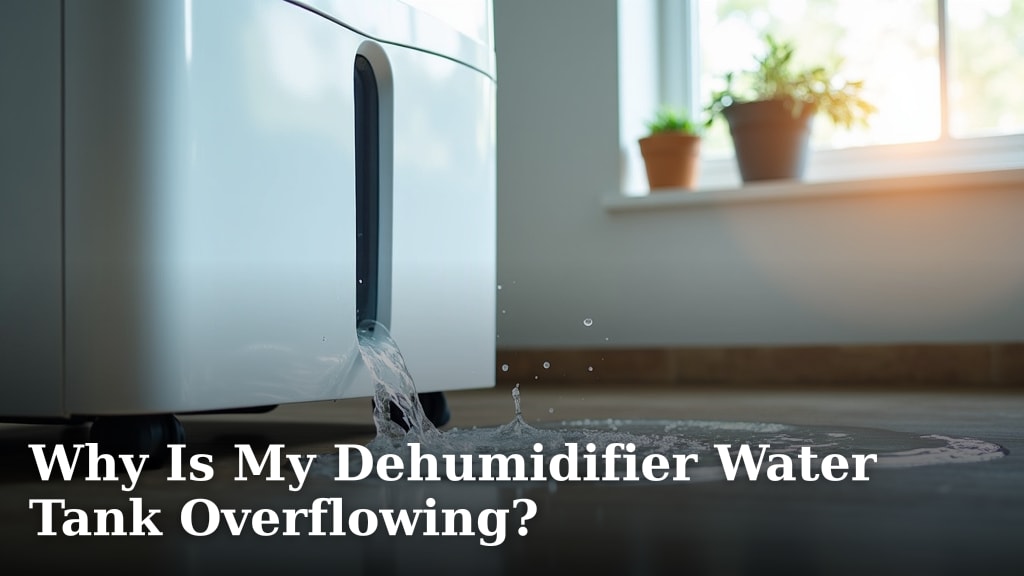
When the collection tank fills up, the unit stops running. This is a built-in safety feature to prevent spills. So, regular emptying is part of the deal for many users.
Understanding How Dehumidifiers Work
A dehumidifier pulls moist air into its coils. As the air passes over these cold surfaces, moisture condenses into liquid water. This is much like how water beads form on a cold glass of soda.
This collected water then drips into a specific bucket or tank. The drier air then cycles back out into your room. It’s a continuous process to keep your indoor air comfortable and healthy.
The Water Collection Tank: Your Dehumidifier’s Heart
The tank is where all that condensed water accumulates. These tanks vary greatly in size, from small, portable ones to larger capacities for basements.
Most tanks have a float switch inside. When the water level reaches a certain point, this switch tells the dehumidifier to turn off. This stops the unit from overflowing. You’ll often hear a beep or see a light when this happens.
When Does the Tank Need Emptying?
Your dehumidifier tank needs emptying when it’s full. It will signal you, usually with an indicator light or an audible alert. Ignoring this signal means your unit can no longer remove moisture.
How often this happens truly depends on several factors. It’s not a one-size-fits-all answer. Your environment plays a huge role here.
Factors Affecting Emptying Frequency
Several elements influence how often you’ll be dumping water. Understanding these can help you manage your expectations. It’s about finding your personal rhythm for maintenance.
- Ambient Humidity Levels: If your home is very humid, the unit will extract more water. This means your tank will fill up faster.
- Dehumidifier Size: A smaller, less powerful unit might struggle in a large, damp area. A larger unit will collect more water quickly.
- Tank Capacity: A 50-pint dehumidifier with a small 10-pint tank needs more frequent emptying than one with a 20-pint tank.
- Room Size: A larger room with high humidity will keep your dehumidifier busy. A smaller space might not produce as much water.
What Happens if You Don’t Empty It?
The main thing that happens is your dehumidifier simply stops working. It won’t overflow thanks to its safety shut-off. This pause means humidity levels will rise again in your space.
This defeats the purpose of having a dehumidifier. High humidity can lead to uncomfortable air, musty odors, and even mildew growth. So, prompt emptying is crucial for continued performance.
The Continuous Drainage Solution
Many people find manual emptying a chore. This is where continuous drainage options truly shine. They offer a “set it and forget it” solution, which can save you time and effort.
These systems bypass the internal collection tank altogether. We found that this is a game-changer for anyone wanting minimal interaction with their unit. It’s especially handy for basements or crawl spaces.
Hose Connection: A Hands-Off Approach
Most dehumidifiers with continuous drainage use a standard garden hose. You simply attach the hose to a designated port on the unit. The other end then goes into a suitable drain.
Gravity does the rest of the work. The water flows downhill, away from your unit and into a floor drain, utility sink, or even outside. This is a very common and effective method.
Internal Pump Systems: Lifting Water Away
Some dehumidifiers come with an internal condensate pump. This pump pushes the collected water upwards or over a longer distance. This is perfect if you don’t have a floor drain nearby.
You can pump the water into a sink, out a window, or even into a laundry tub. Many experts suggest these pump models for basements without existing drainage. (ASHRAE guidelines)
Choosing the Right Drainage Method for You
Your choice depends on your home layout and your preference for convenience. Do you mind a small chore, or do you want to avoid it completely? Weigh these points carefully.
Consider the placement of your dehumidifier and available drains. This will guide you toward the best option. Both methods work well, but one might suit your lifestyle better.
Manual Emptying vs. Continuous Drainage Table
| Feature | Manual Emptying | Continuous Drainage |
|---|---|---|
| Required Action | Frequent tank emptying by hand. | Setup once, then mostly hands-free. |
| Placement Flexibility | Anywhere in the room. | Needs to be near a drain or pump outlet. |
| Risk of Overflow | Low, due to automatic shut-off. | Low, if hose is secured and drain is clear. |
| Ideal For | Infrequent use, smaller spaces. | Constant use, basements, very damp areas. |
Beyond Emptying: Other Essential Dehumidifier Care
Emptying the tank is just one part of dehumidifier maintenance. Regular maintenance ensures it runs efficiently. This means it uses less energy and lasts longer.
Treat your dehumidifier well, and it will serve you faithfully. A little care goes a long way in ensuring clean, dry air. Don’t forget these simple steps.
Your Dehumidifier Checklist:
- Clean the air filter regularly, usually monthly.
- Wipe down the water collection tank to prevent grime.
- Keep the coils free of dust and debris.
- Ensure clear airflow around the unit’s intake and exhaust.
- Check the drain hose for clogs if using continuous drainage.
Signs Your Dehumidifier is Working Hard
How do you know if your unit is doing its job effectively? There are several clear indicators. You should feel a difference in the air quality and comfort of your home.
The most obvious sign is a consistently full water tank (if using manual drain). You’ll also notice a dryer, less musty smell. Your windows might fog up less often too. These are all good indicators.
Conclusion
Yes, you likely need to empty your dehumidifier, unless you choose a model with continuous drainage. This essential step keeps your home free from excess moisture. Whether you prefer manual emptying or a hands-free solution, consistent operation is key to indoor comfort.
By understanding your unit and its options, you can pick the best approach. Proper care, including emptying and cleaning, ensures your dehumidifier works efficiently. This ultimately helps you maintain a healthier and more comfortable living environment.
FAQ: How often should I empty my dehumidifier tank?
The frequency varies, but usually every 12 to 24 hours in very humid conditions. In less damp environments, you might only need to empty it every few days. Your unit will signal you when the tank is full, so you don’t have to guess.
FAQ: Can I leave a dehumidifier running all the time?
Yes, many dehumidifiers are designed for continuous operation. For guidance on using a dehumidifier every day, consider your home’s humidity and the unit’s instructions. If you’re using continuous drainage, you can leave it running for extended periods. For manual tanks, it will simply shut off when full, waiting for you to empty it.
FAQ: What kind of hose do I need for continuous drainage?
Most dehumidifiers use a standard garden hose for continuous drainage. Check your unit’s manual for specific hose diameter recommendations, but a regular 5/8-inch garden hose often works perfectly. Ensure it’s long enough to reach your drain and lies downhill.
FAQ: What if my dehumidifier tank fills up too fast?
If your tank fills too quickly, it likely means your area is very humid, or your dehumidifier is working very effectively. Consider using a continuous drainage option if manual emptying becomes too frequent. Also, check for any new sources of moisture in the room.
FAQ: Is the collected water safe to drink or use?
No, the collected water from a dehumidifier is not safe for drinking. It can contain dust, mold spores, and other contaminants from the air. While some people use it for non-potable purposes like watering plants, it’s generally best to dispose of it safely. Many experts advise against using it for anything that involves ingestion or direct skin contact (EPA guidelines).