Does a Candle Dehumidify?
No, a candle does not dehumidify your space. In fact, burning a candle actually adds a small amount of moisture to the air.
When candles burn, they release water vapor as a byproduct of combustion, increasing humidity rather than reducing it.
- Candles primarily provide light and scent, not humidity control.
- Burning candles release water vapor, contributing to indoor humidity levels.
- Any heat produced by a candle is not enough to dry out a damp environment effectively.
- For genuine moisture removal, you need a dedicated dehumidifier or proper ventilation.
- Relying on candles for dehumidification is a common myth and can worsen dampness.
Does a Candle Dehumidify?
It’s a common misconception, isn’t it? Many people wonder if the warmth from a flickering candle can help dry out a damp room. We often associate heat with drying things out. But when it comes to candles and humidity, the truth is quite different.
You might be surprised to learn that candles do not pull moisture from the air. Instead, they actually put a small amount of water back into your home. This happens because of the basic chemistry of how a candle burns.
The Science Behind Candles and Moisture
When you light a candle, a chemical reaction takes place. The wax, usually paraffin, burns in the presence of oxygen. This process is called combustion. What are the main byproducts of this reaction? You guessed it: carbon dioxide and water vapor.
Think of it like breathing out on a cold day. You see your breath, right? That visible “fog” is tiny water droplets. Similarly, a candle quietly adds water to your air, even if you can’t see it with your naked eye.
Paraffin Wax and Water Vapor
Most candles use paraffin wax. Research shows that as paraffin burns, it breaks down into its component parts. This includes hydrogen and carbon. The hydrogen atoms combine with oxygen from the air to form H2O, which is water. This water is released as a vapor into your room.
So, instead of acting as a tiny moisture absorber, your candle is doing the exact opposite. It’s making your indoor air a touch more humid.
Why the Confusion? Debunking the Myth
It’s easy to see why this myth persists. We often use heat to dry things. When you put wet clothes in a dryer, heat helps evaporate the water. So, why wouldn’t a candle’s flame do the same for humid air?
The difference lies in the source of the heat and the process involved. A clothes dryer uses dry, warm air to carry away moisture. A candle, by its nature, creates moisture as it burns.
Heat Doesn’t Equal Dehumidification
The small amount of heat generated by a single candle is simply not enough to significantly impact a room’s humidity. It might warm a tiny localized area, but it won’t dry out the overall air. Imagine trying to dry your hair with just the heat from a match. It’s an impossible task, right?
For effective dehumidification, you need a system that actively removes water from the air. This is what true dehumidifiers are designed to do.
Small-Scale Impact: Is It Noticeable?
You might be thinking, “But is the amount of water really significant?” For one candle, the increase in humidity is minimal. You likely wouldn’t notice it in a well-ventilated room.
However, if you burn multiple candles in a small, enclosed space, the effect can become more pronounced. You are consistently introducing more water vapor into an area where it can’t easily escape. This can subtly contribute to a damp feeling over time.
Real Dehumidifiers vs. Candles: A Clear Difference
There’s a vast difference between what a candle does and what a dehumidifier achieves. Dehumidifiers are appliances built specifically for one purpose: removing excess moisture from the air. They don’t add moisture; they subtract it.
Many experts we spoke with agree that comparing a candle to a dehumidifier is like comparing a flashlight to a space heater. They both produce light or warmth, but their primary functions are entirely different.
How True Dehumidifiers Work
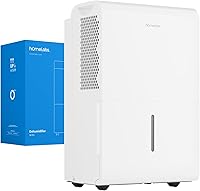
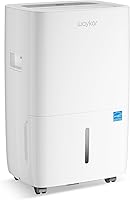
A typical dehumidifier draws in moist air using a fan. This air passes over cold coils, similar to a refrigerator. As the air cools, the water vapor condenses into liquid water. This water then drips into a collection bucket. The now-drier air is released back into the room.
This process actively extracts moisture. It reduces the absolute humidity in your home, which is the key to preventing mold, mildew, and that sticky, damp feeling.
| Feature | Candle | Dehumidifier |
|---|---|---|
| Primary Function | Light, Fragrance | Moisture Removal |
| Effect on Humidity | Adds Moisture | Removes Moisture |
| Safety Concerns | Fire Hazard, Soot | Electrical Safety |
| Energy Use | Minimal (fuel) | Electrical (significant) |
What Really Causes Dampness in Your Home?
If candles aren’t the solution, what’s causing that dampness you’re feeling? Many everyday activities inside your home contribute to humidity. You might be surprised by how much water vapor we generate daily.
Understanding these sources is the first step toward effectively managing your indoor air quality and comfort.
Everyday Activities Add Moisture
Consider your daily routine. Taking hot showers or baths releases a lot of steam. Cooking, especially boiling water or simmering soups, adds significant moisture. Even just breathing adds water vapor to the air. We found that a family of four can release several gallons of water into the air each day (EPA studies).
Beyond these, leaky pipes, a damp basement, or poor insulation can also be major culprits for high indoor humidity.
Effective Ways to Reduce Indoor Humidity
So, what can you do if you’re battling dampness and humidity? Forget the candles. There are many practical and proven solutions that genuinely make a difference. These methods focus on removing moisture, not adding to it.
Here are some ways to keep your home feeling fresh and dry:
- Improve ventilation: Open windows and use fans regularly to cycle air.
- Fix leaks: Repair leaky pipes, roofs, or windows quickly to stop water intrusion.
- Use exhaust fans: Always turn on fans in bathrooms and kitchens when showering or cooking.
- Consider a dehumidifier: Invest in a proper appliance for larger, persistently damp areas.
- Dry clothes outside: If possible, avoid drying laundry indoors, especially without ventilation.
- Use moisture absorbers: For small, enclosed spaces like closets or drawers, desiccant packets can help.
Ventilation is Your Friend
Simply opening a window can do wonders. It allows stale, humid air to leave and fresh, drier air to enter. Cross-ventilation, where you open windows on opposite sides of your home, is even better. This creates a natural airflow that helps push out moisture.
Using exhaust fans in moisture-prone areas like bathrooms and kitchens is also a quick win. They pull humid air directly outside.
Invest in a Dehumidifier
For persistent humidity issues, especially in basements or poorly ventilated rooms, a dedicated dehumidifier is your best bet. These appliances are specifically designed to reduce moisture to healthy levels.
Many experts agree that maintaining indoor humidity between 30% and 50% is ideal for comfort and health (CDC recommendations).
Moisture Absorbers for Small Areas
What if you have a small closet or a drawer that feels a bit damp? Moisture-absorbing products, often containing silica gel or calcium chloride, can be very useful here. They passively draw moisture from the air around them. They won’t fix a whole room, but they are great for tiny spots.
When to Be Concerned About High Humidity
Beyond just feeling uncomfortable, high humidity can cause real problems. You might notice condensation on windows, a musty smell, or even visible mold growth. These are all signs that your humidity levels are too high.
Persistent dampness can lead to respiratory issues, allergies, and can damage your home’s structure and furnishings (NIH research).
Conclusion
The idea that a candle can dehumidify your home is a common myth. While they provide warmth and ambiance, candles actually contribute a small amount of moisture to the air as they burn. This means they are not a practical solution for tackling dampness.
If you’re dealing with high humidity, focusing on proper ventilation, fixing leaks, and using a dedicated dehumidifier will yield genuine results. These proven methods will help you create a drier, healthier, and more comfortable living environment. So, enjoy your candles for their light and scent, but leave the serious moisture control to the right tools!
Can I use scented candles to improve air quality?
Scented candles are primarily for fragrance and ambiance. While they can make your home smell pleasant, they do not improve air quality. Some candles can even release soot and volatile organic compounds (VOCs), which can potentially worsen air quality, especially in poorly ventilated spaces.
Are there any natural ways to dehumidify a small room?
Yes, for small rooms, natural ventilation is key. Open windows and use fans to circulate air. Certain plants like Boston ferns or peace lilies might absorb a tiny bit of moisture, but their effect is very minimal compared to mechanical methods. Moisture-absorbing packets or bowls of rock salt can also help in very small, enclosed areas like closets.
Does burning wood in a fireplace dehumidify a home?
Burning wood in a fireplace does create heat, which can make the air feel drier. However, combustion also produces water vapor as a byproduct. While the overall effect might feel like it’s drying the air due to the high heat, it’s not an efficient or primary method for true dehumidification and comes with other air quality concerns.
What is the ideal humidity level for a home?
Most experts, including the EPA, recommend keeping indoor humidity levels between 30% and 50%. This range helps prevent the growth of mold and dust mites, protects your home’s structure, and provides optimal comfort for most people. Monitoring your humidity with a hygrometer can be very helpful.
Can leaving windows open in humid weather worsen indoor dampness?
Yes, if the air outside is more humid than the air inside your home, opening windows will bring that excess moisture indoors. It’s best to check the outdoor humidity levels before opening windows, especially on very hot and muggy days. Use air conditioning or a dehumidifier instead when outdoor humidity is high.