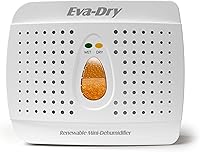
Do You Use a Humidifier or Dehumidifier When Sick?
When you are sick, whether to use a humidifier or dehumidifier depends entirely on your symptoms. For respiratory issues like a dry cough or sore throat, a humidifier adds moisture, while a dehumidifier helps with symptoms made worse by high humidity, like allergies or asthma, by reducing moisture.
TL;DR: Using a Humidifier or Dehumidifier When Sick
- A humidifier helps with dry coughs, stuffy noses, and sore throats by adding moisture to the air.
- A dehumidifier is better for reducing allergens like dust mites and mold, which often trigger asthma or allergy symptoms.
- Maintaining a healthy indoor humidity level, generally between 30-50%, is key for comfort and health.
- Too much humidity can promote mold and dust mites, while too little can irritate airways.
- Always monitor your home’s humidity with a hygrometer, especially when feeling unwell.
Do You Use a Humidifier or Dehumidifier When Sick?
Deciding between a humidifier or dehumidifier when you’re sick can feel like a guessing game. It really comes down to your specific symptoms and the existing humidity levels in your home.
Understanding Humidity When You’re Sick
Think of humidity as the amount of water vapor in the air. When you’re not feeling well, the right humidity level can bring significant comfort. The goal is to create an environment that eases your discomfort, not adds to it.
When a Humidifier Can Help
If you’re battling a cold, flu, or a scratchy throat, a humidifier might be your best friend. It adds moisture to the air, which can be incredibly soothing. Many experts say this added moisture helps to loosen mucus, making it easier to cough up (Mayo Clinic).
Have you ever woken up with a really dry throat or stuffy nose? A humidifier can help with that, too. It makes breathing a bit easier and can reduce the irritation that comes with dry air during illness. It’s like giving your airways a gentle, moisturizing hug.
Types of Humidifiers
You’ll generally find two main types: cool mist and warm mist. Both aim to add moisture. Cool mist humidifiers are often recommended for children, as there’s no heating element that could pose a burn risk (CDC). Warm mist units can feel more soothing to some adults, as the steam feels warm.
When a Dehumidifier Is Your Friend
Now, what if your symptoms lean more towards allergies or asthma? This is where a dehumidifier can step in. High humidity can be a breeding ground for things like dust mites and mold, which are common allergy triggers (NIH). If your home feels damp or musty, reducing that moisture can make a big difference.
By lowering the indoor humidity, a dehumidifier helps to create an environment where these allergens struggle to thrive. We found that keeping humidity levels below 50% can significantly reduce dust mite populations (Cleveland Clinic). If you often feel wheezy or congested in a damp environment, a dehumidifier might bring you relief.
Common Misconceptions About Humidity
Sometimes people think more humidity is always better when sick, but that’s not quite true. Too much humidity can feel oppressive and, as we discussed, can even worsen certain conditions. It’s not about making the air heavy with moisture, but finding that sweet spot for comfort.
Finding the Right Balance
The ideal indoor humidity level typically falls between 30% and 50%. This range is generally comfortable for most people and discourages mold and dust mite growth. A hygrometer, a small device that measures humidity, is a great tool to have at home. It removes the guesswork!
| Symptom/Condition | Recommended Device | Why It Helps |
|---|---|---|
| Dry cough, sore throat | Humidifier | Adds moisture, soothes airways. |
| Stuffy nose, congestion | Humidifier | Loosens mucus, aids breathing. |
| Allergies (dust mites, mold) | Dehumidifier | Reduces allergen growth. |
| Asthma triggered by dampness | Dehumidifier | Creates a less triggering environment. |
| General respiratory irritation | Either (based on air dryness/dampness) | Balances indoor air quality. |
Health Risks of Too Much Humidity
Allowing humidity levels to climb too high brings its own set of problems. Beyond fueling allergens, high humidity can make a room feel stuffy and uncomfortable. It can also encourage the growth of bacteria and viruses in the air, which is the last thing you need when you’re trying to recover.
Health Risks of Too Little Humidity
On the flip side, extremely low humidity can also cause issues. Dry air can dry out your nasal passages and throat, leading to more irritation. It can also dry out your skin and lips, making you feel generally more unwell. Keeping the air moist, but not saturated, is the key to comfort.
Practical Tips for Managing Humidity
Managing your home’s humidity doesn’t have to be complicated. Here are a few simple steps to make sure your environment is supporting your recovery:
- Get a hygrometer: This simple device tells you your exact humidity level.
- Clean devices regularly: If using a humidifier, clean it often to prevent bacteria and mold spread.
- Ventilate as needed: Open windows periodically to refresh air and reduce excess moisture.
- Target 30-50% humidity: Aim for this range for optimal health and comfort.
- Adjust based on symptoms: Listen to your body and adjust your device accordingly.
Monitoring Your Home’s Air
A little monitoring goes a long way. Checking your hygrometer daily can help you decide if you need to turn on your humidifier or dehumidifier. It’s about being proactive and adjusting your indoor climate to support your health needs.
What to Avoid
Don’t overdo it with either device. Running a humidifier constantly can lead to too much moisture, which brings us back to those mold and dust mite issues. Likewise, running a dehumidifier to create overly dry air can cause new irritations. Moderation and observation are your best guides.
Conclusion
Deciding between a humidifier and a dehumidifier when you’re sick boils down to listening to your body and understanding your environment. A humidifier brings soothing moisture for dry coughs and stuffiness, while a dehumidifier tackles dampness and allergens that worsen asthma or allergies. The goal is always to achieve that comfortable 30-50% humidity range. By paying attention to your symptoms and using these tools wisely, you can create a healthier, more comfortable space to recover. Take care of yourself, and breathe a little easier!
What are the signs that I need a humidifier when sick?
If you experience a dry, hacking cough, a scratchy or sore throat, dried-out nasal passages, or frequent nosebleeds when sick, these are strong indicators that your indoor air might be too dry. A humidifier can help add moisture to the air and soothe these symptoms.
Can a dehumidifier help with cold symptoms?
Generally, a dehumidifier is not the first choice for typical cold symptoms like a runny nose or congestion, as colds often benefit from added moisture. However, if your cold symptoms are exacerbated by allergies or asthma triggered by high humidity (like dampness causing mold or dust mites), a dehumidifier could indirectly help by improving overall air quality.
Is it possible to have too much humidity when sick?
Yes, absolutely. Excessively high humidity can make breathing feel heavy and uncomfortable. It also creates an ideal environment for mold spores, dust mites, and bacteria to flourish, which can worsen allergies, asthma, and even lead to new respiratory issues, hindering your recovery.
How do I know the humidity level in my home?
The best way to know your home’s humidity level is by using a hygrometer. This small, inexpensive device accurately measures the percentage of water vapor in the air. Placing one in your main living area or bedroom will give you a clear reading to help you decide whether to adjust your humidity.
Should I use distilled water in my humidifier?
Many experts and manufacturer guidelines recommend using distilled or demineralized water in humidifiers. This helps prevent the release of mineral dust (white dust) into the air and reduces the buildup of mineral deposits inside the unit, which can harbor bacteria. Using tap water can lead to both of these issues.