
Does a Dehumidifier Help with Fleas?
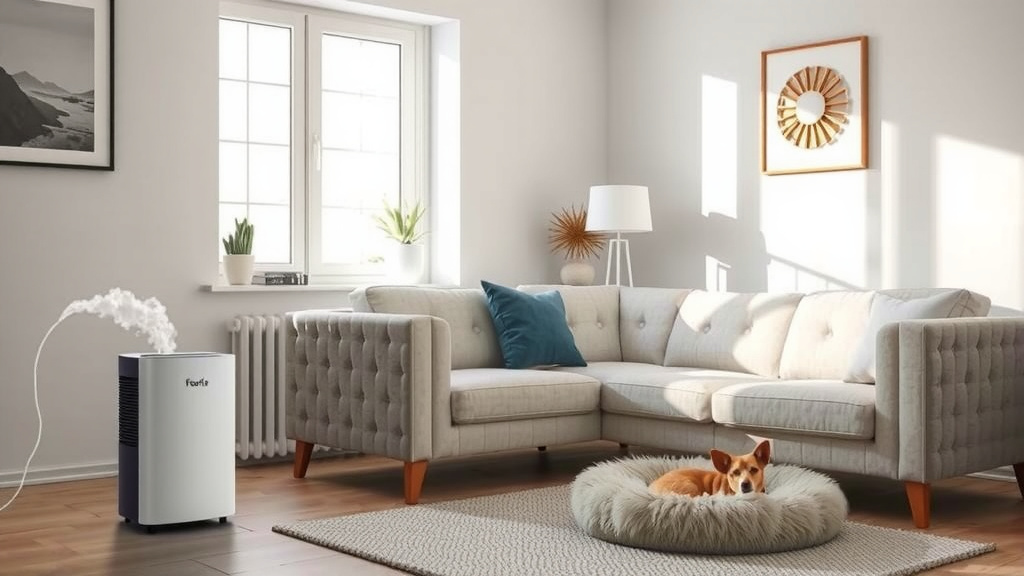
A dehumidifier can indeed help with fleas by creating an unfavorable, drier environment that disrupts their life cycle and makes it harder for them to thrive.
Maintaining lower humidity levels, typically below 50%, can significantly reduce flea egg hatching and larval development, acting as an effective environmental control measure.
- Dehumidifiers create a dry climate hostile to flea survival.
- Lower humidity stops flea eggs from hatching and larvae from growing.
- It’s a key part of an overall flea removal plan, not a sole solution.
- Aim for humidity levels below 50% for best results against fleas.
- Always combine with vacuuming, cleaning, and pet treatments.
Does a Dehumidifier Help with Fleas?
Yes, a dehumidifier is a helpful tool in your fight against fleas. It tackles them by removing moisture from your home’s air.
This drier air makes it very difficult for fleas to complete their life cycle effectively.
Understanding Fleas and Their Environment
Fleas aren’t just annoying; they are tiny survivors. They thrive in specific conditions.
These pests prefer warm, humid places. Think about typical cozy home environments.
The Flea Life Cycle and Humidity
Fleas go through four main stages: egg, larva, pupa, and adult. Each stage needs certain conditions.
High humidity is especially important for the egg and larval stages (Ohio State University Extension).
Without enough moisture, flea eggs often fail to hatch. The larvae also struggle to develop properly.
This breaks their cycle, preventing new adult fleas from emerging.
How Dehumidifiers Disrupt Flea Life
A dehumidifier pulls excess moisture from the air. It’s like draining their swimming pool.
By lowering your home’s humidity, you make the environment less hospitable for fleas.
Target Humidity Levels for Flea Control
What’s the magic number? Research suggests keeping indoor humidity below 50% is best.
Many experts say levels between 35% and 45% are ideal for deterring fleas.
This range is also comfortable for most people. It prevents mold growth too.
Using a dehumidifier helps you reach and maintain these levels consistently.
Integrating a Dehumidifier into Your Flea Battle Plan
A dehumidifier isn’t a silver bullet. Think of it as a powerful team player.
It works best when combined with other flea control methods.
Choosing the Right Dehumidifier
Consider the size of the area you need to treat. Do you need a whole-house unit or a portable one?
Look for models with a built-in humidistat. This lets you set your desired humidity level.
Strategic Placement for Maximum Impact
Place your dehumidifier in areas where fleas are most active. This often includes basements, living rooms, and pet sleeping areas.
Ensure good airflow around the unit. This helps it work more efficiently.
Beyond Humidity: Other Essential Flea-Fighting Steps
Lowering humidity is crucial, but don’t stop there. A full assault is necessary.
You need to tackle fleas at every life stage, wherever they hide.
- Vacuuming Regularly: Vacuum carpets, rugs, and upholstery every day. This removes eggs, larvae, and adult fleas.
- Washing Pet Bedding: Wash all pet bedding in hot water weekly. This kills fleas and their eggs.
- Treating Your Pets: Consult your vet for an effective flea treatment plan for all pets.
- Yard Treatment: If fleas are outside, treat your yard. Focus on shady, moist areas.
- Steam Cleaning: For severe infestations, steam cleaning carpets can help kill fleas.
The Importance of Consistency
Fleas are persistent. Your efforts need to be just as consistent.
Stick to a routine for several weeks. This ensures you catch newly hatched fleas too.
Benefits Beyond Flea Control
Even without fleas, a dehumidifier offers other advantages. It improves your home’s air quality.
Lower humidity helps prevent mold, mildew, and dust mites. These are common allergens.
| Flea Life Stage | Optimal Humidity | Impact of Low Humidity (Below 50%) |
|---|---|---|
| Egg | 75% – 95% | Reduced hatching rates; eggs dry out. |
| Larva | 70% – 90% | Slower development, increased mortality; larvae dehydrate. |
| Pupa | Any | Slightly prolonged pupal stage, but largely unaffected directly by humidity. |
| Adult | 50% – 90% | Reduced lifespan, less reproduction; adults seek higher humidity. |
When to Call a Professional
Sometimes, despite your best efforts, fleas persist. This happens with very heavy infestations.
If you’re still seeing fleas after a few weeks, consider contacting a professional pest control service.
Your Flea Fighting Checklist
- Set dehumidifier to below 50% humidity.
- Vacuum thoroughly every day.
- Wash pet bedding weekly in hot water.
- Treat all pets as advised by your vet.
- Clean floors and furniture regularly.
- Monitor humidity levels with a hygrometer.
Conclusion
So, does a dehumidifier help with fleas? Absolutely, yes! It creates a hostile environment that hinders their reproduction and survival.
By drying out your home, you take away one of the flea’s most vital needs: moisture.
Remember, a dehumidifier is a fantastic tool in your flea-fighting arsenal. It works best as part of a comprehensive plan. Combine it with diligent cleaning and effective pet treatments.
Your consistent efforts will help you reclaim your home from these unwelcome tiny guests. You will breathe easier in a cleaner, drier, and flea-free space.
What humidity level kills fleas?
While no specific humidity level instantly “kills” adult fleas, maintaining consistent indoor humidity below 50% significantly disrupts their life cycle. Many experts recommend aiming for 35% to 45% humidity to prevent flea eggs from hatching and larvae from developing.
How long does it take for a dehumidifier to affect fleas?
You won’t see immediate results, as a dehumidifier primarily targets flea eggs and larvae, which take time to develop. With consistent use, you might notice a reduction in flea activity within a few weeks as new generations struggle to emerge. Full impact typically takes 4-8 weeks.
Can fleas live in dry climates?
Fleas generally struggle in very dry climates. While adult fleas can survive for a time, their eggs won’t hatch, and larvae won’t develop successfully without sufficient humidity. This is why dehumidifiers are effective – they mimic a dry climate indoors.
Is a dehumidifier alone enough to get rid of fleas?
No, a dehumidifier is not enough on its own. It’s a highly effective environmental control measure that makes your home less appealing to fleas, but it must be combined with other methods. You’ll need to vacuum regularly, wash pet bedding, and treat your pets as advised by a veterinarian.
Does extreme cold or heat kill fleas?
Yes, extreme temperatures can kill fleas. Freezing temperatures (below 30°F for several days) can kill all life stages, and extreme heat (above 95°F for several hours, or very hot water from washing machines) is also effective at eliminating fleas, especially eggs and larvae.
