
Does a Dehumidifier Help with Heating Costs?
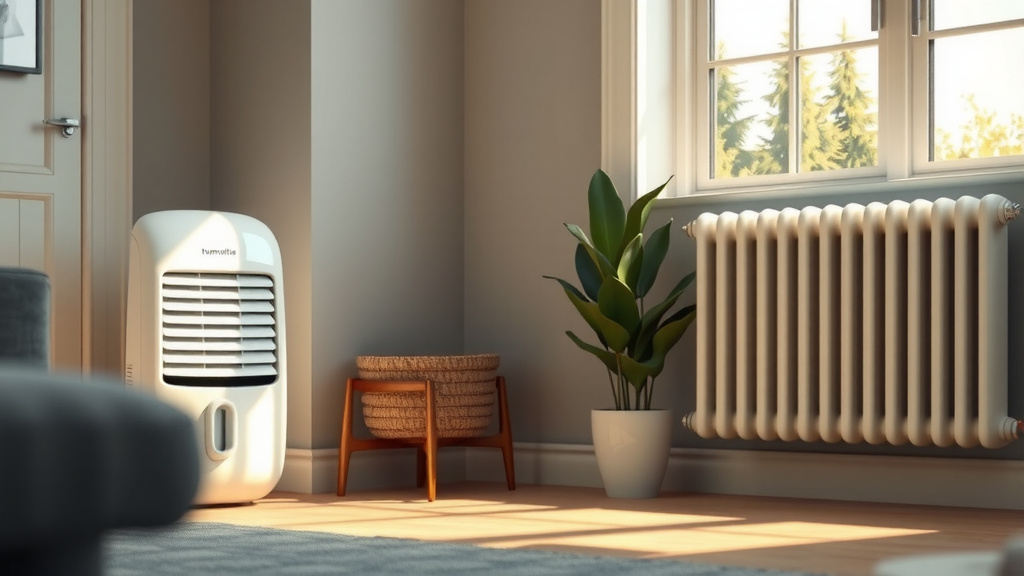
Yes, a dehumidifier can significantly help reduce your heating costs by creating a drier indoor environment that feels naturally warmer. When you remove excess moisture, your home’s air holds less humidity, meaning your heating system can operate more efficiently and you might even set your thermostat a few degrees lower.
Ultimately, a dehumidifier helps you save money on heating because dry air heats up faster and retains warmth better than humid air, leading to improved comfort without needing to crank up the heat.
- Running a dehumidifier makes your home feel warmer, allowing you to lower your thermostat and save on heating bills.
- Humid air feels colder and requires more energy to heat effectively.
- Drier air helps your heating system work more efficiently, reducing overall energy consumption.
- Beyond savings, a dehumidifier protects your home from mold, improves air quality, and enhances comfort year-round.
- Strategic use and proper sizing are key to maximizing both comfort and energy savings.
Does a Dehumidifier Help with Heating Costs?
Yes, we found that a dehumidifier can indeed help lower your heating costs. A drier home simply feels warmer, letting you keep the thermostat a bit lower.
How Humidity Affects Your Comfort
Have you ever noticed how a damp cold just seems to chill you to the bone? That’s not your imagination. High humidity in your home can make the air feel much colder than its actual temperature.
When the air is full of moisture, it draws heat away from your body more quickly. This means you feel chilly, even if your heater is running (CDC).
The Science Behind Damp Cold
Moisture in the air acts as a thermal conductor. It transfers heat away from you faster than dry air. Imagine stepping out of a shower into a cool room; you feel colder quickly because of the water on your skin evaporating. It’s a similar principle in a humid room.
Many experts say that removing this excess moisture makes your environment feel much more comfortable. You might sense a temperature increase of several degrees without changing your thermostat setting.
Why Lower Humidity Means Better Heating
When your air is less humid, your heating system doesn’t have to work as hard. Think of it like drying wet clothes versus dry clothes. It takes more energy to heat something damp.
Your furnace heats the air. If that air is heavy with moisture, it takes more energy to bring it to your desired temperature. We found that drier air requires less energy to heat up.
Less Moisture, Less Energy
So, by removing humidity, your heating system can reach and maintain your desired temperature using less energy. This translates directly into lower energy consumption. Lower energy consumption means smaller heating bills for you.
The “Dry Heat” Advantage
Many people find that a home with optimal humidity levels feels significantly warmer and more pleasant. You might discover you can set your thermostat two or three degrees lower.
This small adjustment can make a big difference in your monthly heating expenditure. Research often shows that even minor thermostat changes impact energy use (NIH).
Dehumidifier Benefits Beyond Heating Costs
While saving on heating is a great perk, a dehumidifier brings many other advantages to your home. It’s a multi-tasking appliance that really improves your living space.
Protecting Your Home
Excess humidity can wreak havoc on your property. It’s a prime breeding ground for mold and mildew. These can damage walls, furniture, and even your home’s structure.
By controlling moisture, you actively protect your home from costly repairs. It helps preserve wood floors, cabinetry, and other household items from warping or decaying.
Improving Air Quality
Do you suffer from allergies or asthma? High humidity can make these conditions worse. Mold spores, dust mites, and other allergens thrive in damp environments.
A dehumidifier helps reduce these triggers, leading to cleaner, healthier air indoors. Many guidelines point to better humidity control for improved respiratory health (Mayo Clinic).
Comfort in All Seasons
A dehumidifier isn’t just for winter heating savings. In warmer months, it can make your home feel cooler and less sticky. This can reduce the need for air conditioning.
Many experts found that a comfortable humidity level is usually between 30% and 50%. Maintaining this range ensures comfort year-round, not just during heating season.
When to Run Your Dehumidifier for Heating Savings
To get the most out of your dehumidifier for heating cost savings, strategic usage is important. It’s not about running it 24/7 blindly.
Target Humidity Levels
Aim for a relative humidity level between 30% and 50% in your home. This range is ideal for comfort and energy efficiency. It’s also bad for mold and dust mites.
Monitoring Your Home’s Humidity
A simple hygrometer can tell you your home’s current humidity level. Many dehumidifiers also come with a built-in humidistat that lets you set your desired percentage. This feature is very helpful.
Strategic Placement and Usage
Place your dehumidifier in the dampest areas of your home. Basements, crawl spaces, and certain living areas are common spots. Run it when humidity levels rise above 50%.
You may not need to run it constantly, especially if your home is well-sealed. Consider running it for a few hours daily, or as needed, to maintain ideal levels.
| Condition | Heating Effort | Feeling of Warmth |
|---|---|---|
| High Humidity (Above 60%) | Higher | Colder, Clammy, Uncomfortable |
| Optimal Humidity (30-50%) | Lower | Warmer, Comfortable, Pleasant |
Potential Drawbacks and Considerations
While dehumidifiers offer many benefits, it’s good to consider all aspects. Every appliance has its own set of characteristics.
Initial Investment and Running Costs
A dehumidifier is an upfront cost, and it does use electricity to run. The amount of electricity used depends on the unit’s size, efficiency, and how often it runs.
However, the energy savings from lower heating bills can often offset these running costs over time. Many people found the long-term comfort and protection outweigh the minor increase in electric usage.
Maintenance Matters
Like any appliance, dehumidifiers need basic care. You’ll need to clean the filter regularly and empty the water reservoir. Some models offer continuous drainage options.
Proper maintenance ensures your unit runs efficiently and effectively. This helps maximize your energy savings and extends the life of the appliance.
Here’s a quick checklist of signs you might need a dehumidifier:
- You notice a damp, musty smell in certain rooms.
- There’s visible condensation on your windows or cold pipes.
- You spot small areas of mold or mildew on walls, ceilings, or fabrics.
- The air in your home feels sticky or clammy, even when it’s not very hot.
- Allergy symptoms seem worse when you are indoors.
- Your heating system runs a lot, but you still feel chilly.
Making the Right Choice for Your Home
Choosing the right dehumidifier is key to getting the best results. A unit that’s too small might not keep up, while one that’s too large could waste energy.
Sizing Your Dehumidifier
Dehumidifiers are sized by their capacity to remove moisture. This is measured in pints per day. The size you need depends on your home’s square footage and how humid it typically gets.
For example, a very damp basement in a large home will need a much higher capacity unit than a slightly humid smaller bedroom. Many manufacturers provide sizing guides.
Key Features to Look For
Look for models with an Energy Star rating to ensure efficiency. An adjustable humidistat is a must-have for precise control.
Other helpful features include automatic shut-off when the reservoir is full, continuous drainage options, and quiet operation. A timer can also help with strategic use.
Conclusion
So, does a dehumidifier help with heating costs? Absolutely. By tackling the hidden problem of excess indoor humidity, you make your home feel warmer and your heating system more efficient. This leads to tangible savings on your energy bills.
Beyond the cost benefits, you’ll also enjoy improved air quality, protection for your home, and enhanced comfort year-round. It’s a smart investment for a healthier, more comfortable, and more energy-efficient living space. Taking control of your home’s humidity truly pays off in many ways.
Can a dehumidifier replace my heating system?
No, a dehumidifier cannot replace your heating system. Its primary role is to remove moisture from the air. While this action makes your home feel warmer and helps your heater run more efficiently, it does not generate heat itself to warm your entire home.
How quickly will I notice heating cost savings?
You might notice the difference in comfort and potentially lower heating bills within a few weeks of consistent dehumidifier use. The exact timeframe depends on your home’s initial humidity levels, your heating system’s efficiency, and local energy costs.
Is it expensive to run a dehumidifier all winter?
Running a dehumidifier continuously can add to your electricity bill. However, for many homeowners, the energy savings gained from being able to set the thermostat lower can offset or even surpass these running costs. Using an Energy Star rated unit and running it strategically helps.
Can I use a dehumidifier and humidifier together?
Generally, you would use one or the other, depending on your home’s humidity needs. During colder months, if your home is too dry, a humidifier adds moisture. If it’s too damp, a dehumidifier removes it. They address opposite problems, so using them together is typically not ideal or efficient.
What is the ideal humidity level for energy savings?
For both comfort and energy savings, we found that maintaining indoor relative humidity between 30% and 50% is generally considered ideal. This range helps prevent mold growth, reduces dust mites, and allows your heating system to operate most efficiently.
