Does AC Humidify or Dehumidify?
An air conditioner primarily acts as a dehumidifier, meaning it removes moisture from the air rather than adding it. As your AC cools your home, it naturally condenses and drains away excess humidity.
So, to directly answer your question, an AC does not humidify; it actively works to dehumidify the air inside your living space. This process makes your home feel much more comfortable.
Here’s a quick look at what we’ll cover:
- Your AC is a master at drying out the air.
- It cools by extracting heat, and humidity leaves too.
- Understanding how this moisture removal happens is key.
- Sometimes, an AC might not dehumidify enough.
- Knowing when to get an extra dehumidifier can help.
Does AC Humidify or Dehumidify?
Your air conditioner’s main job is to cool your home, but it also works hard to dehumidify the air. This dual action brings you comfort, especially during sticky summer months.
Why Does AC Dehumidify? The Science Behind It
Think of your AC like a thirsty sponge for your home’s air. When warm, humid air flows over the cold evaporator coils inside your unit, something amazing happens. The moisture in the air cools down rapidly.
As the air cools, it can’t hold as much water vapor. This excess water vapor then condenses into liquid droplets on the coils. It’s just like how a cold glass of water “sweats” on a hot day.
These water droplets drip into a drain pan and are then channeled outside through a condensate line. So, your AC is not just cooling; it’s actively drying your air.
Feeling Cooler with Less Humidity
You know that feeling when it’s hot and sticky? That stickiness is humidity. Our bodies cool down by sweating, and sweat evaporates from our skin. When the air is very humid, sweat can’t evaporate as easily.
This makes you feel much hotter than the actual temperature suggests. By removing humidity, your AC helps your body cool itself more effectively. This means you can often feel comfortable at a higher temperature setting (Mayo Clinic).
The Comfort Zone: Temperature vs. Humidity
Imagine two rooms both at 75°F. One has 80% humidity, and the other has 40% humidity. Which room feels better? The one with lower humidity, of course!
This shows why dehumidification is so vital for comfort. Your AC tackles both heat and stickiness simultaneously. It’s a real powerhouse for home comfort.
When Your AC Might Struggle with Humidity
Sometimes, your AC unit might not be enough to control humidity, even though it tries its best. There are a few reasons why this might happen. Understanding these can help you decide if you need extra help.
Oversized AC Units and Short Cycling
An AC unit that’s too large for your space can be a problem. It cools your home too quickly, then shuts off before it’s had enough time to effectively remove moisture. This is called “short cycling.”
When an AC short cycles, it cools the air but doesn’t run long enough to thoroughly dehumidify it. You might find your home feels cool but still clammy. Many experts say a properly sized unit runs longer (Energy Star).
Leaky Ducts and Poor Insulation
Are your ducts leaky? Are windows or doors poorly sealed? Warm, humid air from outside can sneak in easily. This forces your AC to work harder than it should.
It’s like trying to fill a bucket with holes. Your AC keeps removing moisture, but new humidity keeps entering. Sealing gaps and insulating properly can make a big difference.
High Outdoor Humidity Levels
In areas with naturally very high humidity, your AC might simply be overwhelmed. Think about those incredibly muggy summer days. Even a well-functioning AC has its limits when the incoming air is saturated with moisture.
Research often connects high outdoor humidity with increased indoor moisture issues (EPA). In these situations, your AC needs a partner in the fight.
Signs Your Home Needs More Dehumidification
How do you know if your AC isn’t quite cutting it? Keep an eye out for these clues. Your home might be trying to tell you something important.
- Sticky skin: You still feel damp, even when the temperature is cool.
- Musty smells: A damp, earthy odor often points to excess moisture.
- Condensation on windows: Foggy windows, especially in the morning.
- Mold or mildew growth: Dark spots on walls, ceilings, or fabrics.
- Allergy flare-ups: High humidity can increase dust mites and allergens.
The Benefits of Proper Dehumidification
Controlling humidity offers more than just comfort. It provides several important benefits for your home and your health. It’s about creating a happier, healthier living space.
Improved Indoor Air Quality
When humidity is too high, it creates a perfect breeding ground. Things like mold, mildew, and dust mites love moisture. Reducing humidity helps keep these allergens at bay (CDC).
This is great news for anyone with allergies or asthma. You’ll breathe easier and likely feel better indoors.
Protecting Your Home and Belongings
Excess moisture can damage your home. It can cause wood floors to warp, paint to peel, and furniture to swell. Even electronics can suffer. A dry environment helps preserve your belongings.
Think of it as an insurance policy for your home’s structure and contents. You’re safeguarding your investment.
Energy Efficiency Gains
When your AC has to fight high humidity constantly, it uses more energy. If you add a dedicated dehumidifier, your AC can focus more on cooling. This can actually lead to energy savings.
We found that people often feel comfortable setting their thermostat a few degrees higher when humidity is controlled. This lowers cooling costs (DOE).
Considering a Dedicated Dehumidifier
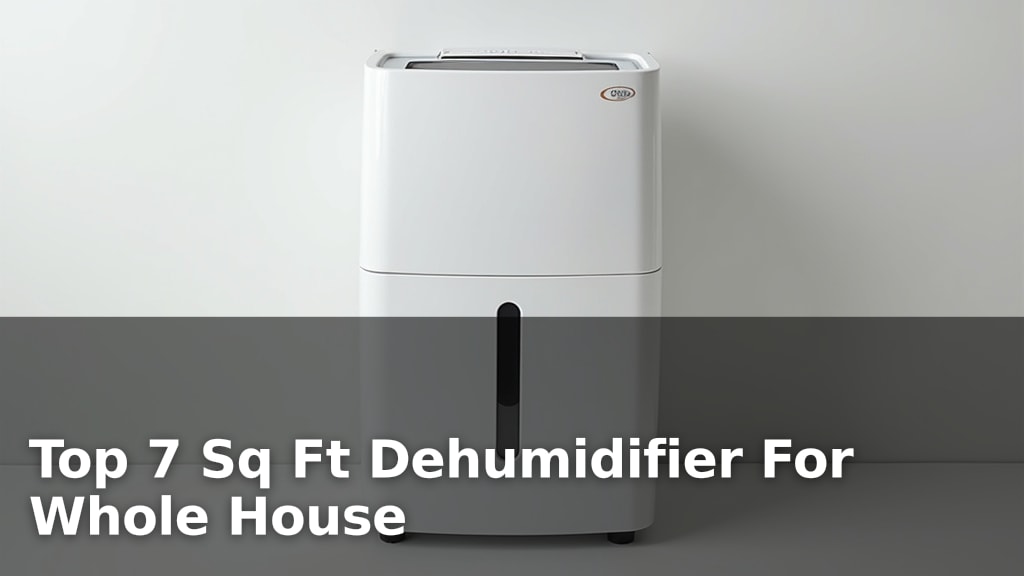
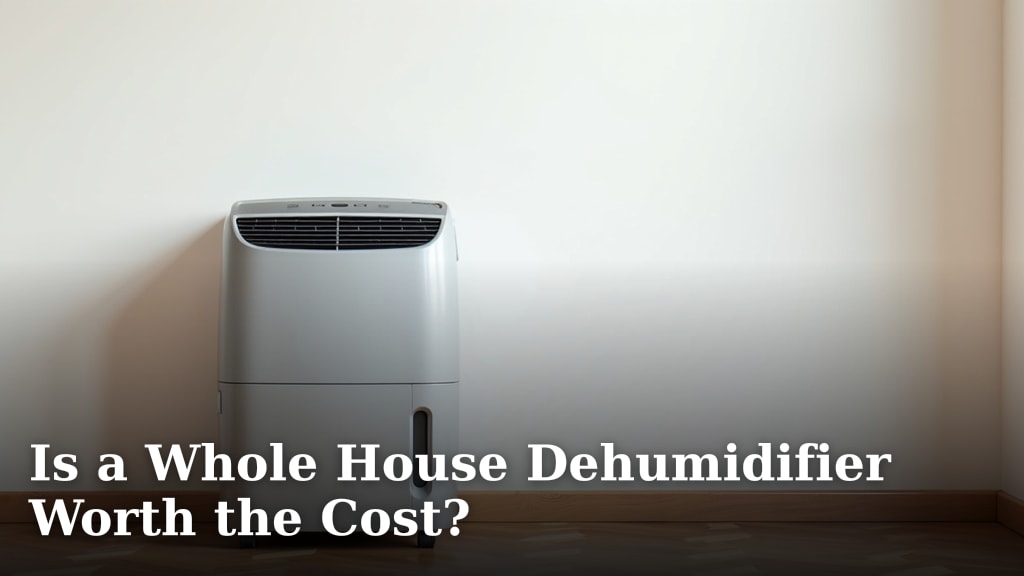
If your AC isn’t winning the battle against humidity, a separate dehumidifier is a fantastic solution. These appliances are designed solely to extract moisture from the air. They are very efficient at their job.
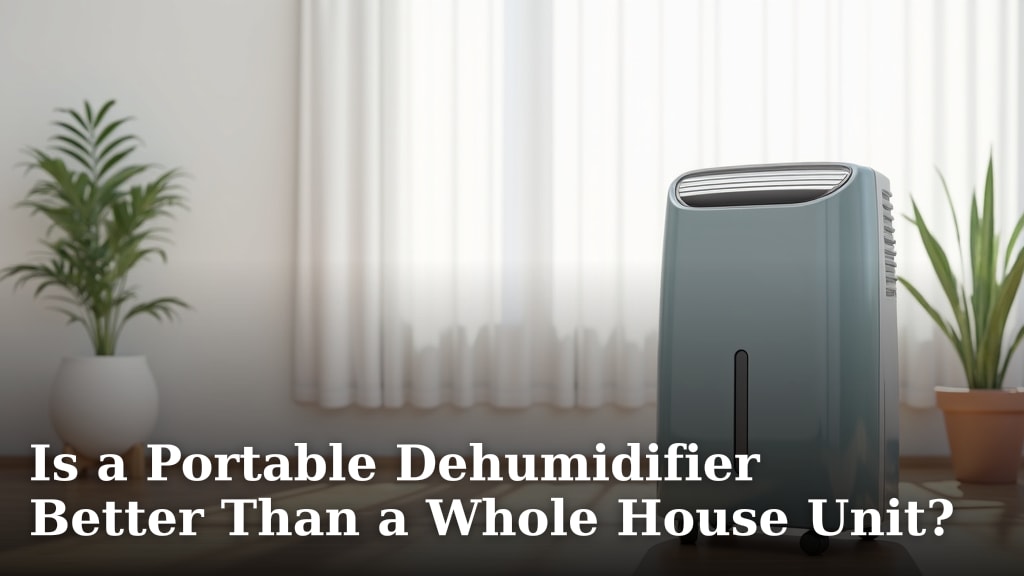
You can choose from portable units for specific rooms or whole-home systems. A dedicated unit works independently of your AC, giving you precise control over humidity levels.
Dehumidifier vs. AC: A Quick Comparison
Here’s how they stack up in their primary roles:
| Feature | Air Conditioner (AC) | Dehumidifier |
|---|---|---|
| Primary Function | To cool the air. | To remove moisture from the air. |
| Humidity Removal | Secondary effect of cooling. | Primary and dedicated function. |
| Temperature Effect | Significantly lowers air temperature. | Slightly raises air temperature (waste heat). |
| When to Use | When you need to cool your home. | When you need to reduce indoor humidity. |
Choosing the Right Dehumidifier
When looking for a dehumidifier, consider a few things. What size is your space? Do you want a portable or whole-home unit? Think about energy efficiency and drainage options. Finding the right fit for your needs ensures the best results.
Maintaining Optimal Indoor Humidity Levels
What’s the sweet spot for indoor humidity? Many experts suggest keeping indoor humidity between 30% and 50% (ASHRAE). This range is comfortable and discourages mold growth.
You can use a hygrometer to measure your home’s humidity. These small devices are affordable and give you real-time readings. This way, you always know where you stand.
Quick Checklist for Humidity Control:
- Keep your AC filter clean.
- Seal any air leaks around windows and doors.
- Use exhaust fans in bathrooms and kitchens.
- Consider a dedicated dehumidifier for persistent issues.
- Monitor humidity with a hygrometer.
Conclusion
So, does AC humidify or dehumidify? The answer is clear: your air conditioner is a powerful dehumidifier. While its main goal is cooling, it naturally strips moisture from the air, making your home feel much more comfortable and healthier.
Understanding how your AC works to control humidity helps you keep your home feeling great. If your AC struggles, don’t worry. There are simple steps and great solutions, like dedicated dehumidifiers, to achieve perfect indoor air quality. You deserve a home that feels cool, dry, and fresh, all year long.
What is the ideal indoor humidity level?
Many experts recommend keeping your indoor humidity levels between 30% and 50% for optimal comfort and to prevent issues like mold growth and dust mites.
Can an AC unit add moisture to the air?
No, a standard air conditioner unit is designed to remove moisture as a byproduct of its cooling process, not to add it. If you notice your AC making your home feel damp, it could be a sign of a problem, not normal operation.
How can I tell if my AC is effectively dehumidifying?
You can tell your AC is doing its job if your home feels cool and dry, not just cool and clammy. You can also use a hygrometer, a simple device that measures humidity, to check if levels are within the recommended 30-50% range.
Will running my AC save me money on dehumidification?
Your AC provides some dehumidification as it cools, which is a bonus. However, if your home has consistently high humidity, an AC unit alone might not be the most energy-efficient way to tackle it. A dedicated dehumidifier can sometimes be more efficient for moisture removal, allowing your AC to focus purely on cooling.
What are the downsides of too much indoor humidity?
High indoor humidity can lead to several problems, including mold and mildew growth, musty odors, increased dust mites, warped wooden furniture or floors, and a general feeling of stickiness and discomfort. It can also worsen allergy and asthma symptoms for some individuals.