Does AC Fan Dehumidify?
On this page (5 sections)
No, your AC’s fan-only mode does not actively dehumidify your home. While moving air can feel cooler, the fan alone cannot remove moisture from the air effectively.
True dehumidification happens when your air conditioner is in cooling mode, not just fan mode, as it requires a cold coil to condense moisture.
Here’s a quick summary of what you need to know about your AC fan and humidity:
- The fan mode only circulates air, it doesn’t cool or remove moisture.
- Your AC dehumidifies when its cooling coil gets cold enough to cause condensation.
- Running the fan after cooling might even reintroduce some moisture.
- For real humidity problems, a dedicated dehumidifier is your best friend.
- You need cool air, not just circulating air, to tackle sticky rooms.
Does AC Fan Dehumidify?
When you’re feeling sticky and hot, it’s natural to wonder if simply running your AC fan will help. But the straightforward answer is no, not really. Your AC fan mode by itself doesn’t actively pull moisture from the air.
Understanding How Your AC Works
To understand why fan mode falls short, let’s quickly peek at how your air conditioner actually works. It’s more than just a giant fan, isn’t it?
The Cooling Cycle and Moisture Removal
When your AC is in cooling mode, it uses a refrigerant to absorb heat from your indoor air. This process involves a cold evaporator coil. As warm, humid air passes over this cold coil, the moisture in the air condenses into liquid water. This water then drips into a pan and drains away, effectively dehumidifying your home. It’s a bit like a cold glass of water on a hot day getting all sweaty – that’s condensation at work!
What “Fan Mode” Actually Does
Fan mode, on the other hand, is much simpler. It just turns on the fan inside your AC unit. The compressor, which makes the refrigerant cold, remains off. The fan’s job is merely to circulate the existing air around your room. It doesn’t introduce cool air, nor does it have a cold coil to create condensation.
Why Fan Mode Doesn’t Dehumidify
Without that crucial cold surface, moisture removal simply doesn’t happen, which explains why a fan cannot dehumidify. Think of it like this: a fan moves air, but it can’t make it rain.
No Condensation, No Dehumidification
The entire principle of AC dehumidification rests on that cold evaporator coil. No cold coil means no condensation. No condensation means no water removed from the air. Therefore, no dehumidification.
You might feel a slight sense of relief from the air movement. Moving air helps sweat evaporate from your skin, which makes you feel cooler. But the actual humidity level in the room remains unchanged (NIH).
| Feature | AC Cooling Mode | AC Fan Mode |
|---|---|---|
| Compressor Active? | Yes | No |
| Refrigerant Cold? | Yes | No |
| Dehumidifies? | Yes (as a side effect) | No |
| Cools Air? | Yes | No |
| Circulates Air? | Yes | Yes |
When AC Fan Can Feel Helpful (But Isn’t Dehumidifying)
Even though fan mode doesn’t dehumidify, it can still serve a purpose; see how fans affect humidity. It helps distribute air, creating a breeze. This breeze can make a stuffy room feel a bit fresher and can help to dissipate pockets of warm air. It’s like opening a window on a mild day – it feels better, but isn’t a complex climate control solution.
The Real Difference: AC Cooling vs. Dedicated Dehumidifiers
If you’re truly battling humidity, knowing the difference between your AC’s capabilities and those of a specialized unit is important.
AC Cooling: A Side Effect of Comfort
Your air conditioner’s primary job is to cool your home. Dehumidification is a beneficial side effect of this cooling process. When your AC is running effectively in cooling mode, it will naturally remove some moisture, helping your space feel less clammy. Many experts say that keeping your AC set to a comfortable temperature (say, 72-75 degrees Fahrenheit) will also help manage humidity (EPA guidelines).
Dedicated Dehumidifiers: Your Moisture-Fighting Champions
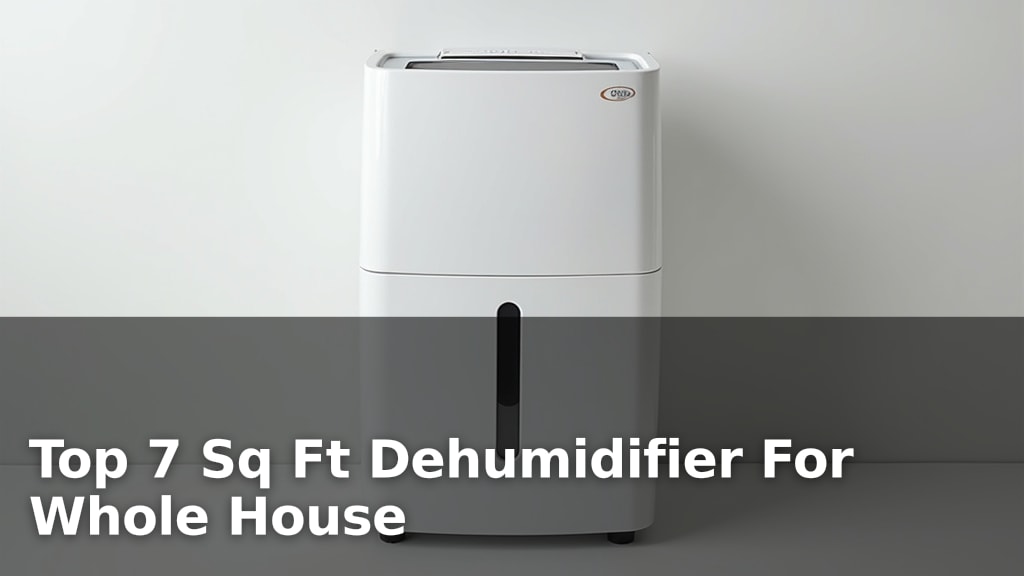
For persistent or severe humidity issues, a dedicated dehumidifier is the champion you need. These appliances are designed specifically for one purpose: removing moisture from the air. They are far more efficient at this task than an AC in fan mode, or even an AC running in cooling mode just to dry the air.
How a Dehumidifier Works
A dehumidifier pulls in humid air over a cold coil, much like an AC. The moisture condenses into water, which collects in a reservoir. The now drier air is then reheated slightly and blown back into the room. It’s a continuous, targeted process, making it very effective for damp basements or humid climates.
Signs Your Home Needs More Than Just AC Fan
How do you know if your home is too humid and needs more than just circulating air? Your home often gives you clues.
High Humidity Indicators
You might notice a persistent musty smell, especially in basements or bathrooms. The air can feel heavy and sticky, clinging to your skin. Condensation on windows or cold pipes is another common sign. Over time, high humidity can even lead to visible mold growth on walls, ceilings, or furniture (CDC recommendations).
Is your home too humid? Here’s a quick checklist:
- Do you feel a sticky or clammy sensation indoors?
- Is there a persistent musty or damp odor?
- Do your windows often have condensation on them?
- Are wood floors or furniture feeling swollen or warped?
- Have you noticed any visible mold or mildew spots?
- Do your allergies seem worse indoors?
Practical Steps to Reduce Indoor Humidity
If you’ve identified high humidity, there are practical steps you can take. You don’t have to live with that heavy, damp feeling!
Beyond the AC: Other Solutions
Start by ensuring good ventilation. Use exhaust fans in kitchens and bathrooms when cooking or showering. Fix any leaky pipes or foundations. Sealing cracks and gaps around windows and doors can also help keep outdoor humidity out. We found that proper ventilation makes a big difference (research indicates).
When to Use Your AC for Humidity
If your goal is both cooling and humidity reduction, run your AC in its cooling mode. Set it to a comfortable temperature and let it do its job. Remember, it removes moisture as a beneficial byproduct of cooling the air.
The Power of a Dedicated Dehumidifier
For specific problem areas like damp basements, crawl spaces, or rooms that always feel humid even with the AC on, a dedicated dehumidifier is a worthy investment. These units work independently of your AC and are highly effective at controlling moisture levels precisely. Many experts agree that they are the most effective solution for stubborn humidity.
Conclusion
So, does your AC fan dehumidify? The simple and clear answer is no. While moving air might offer temporary comfort, it lacks the critical cooling mechanism needed to remove moisture from your home. For genuine dehumidification, you need your AC in cooling mode or, for dedicated moisture control, a specialized dehumidifier. Understanding the difference helps you create a healthier, more comfortable indoor environment. Don’t let sticky air win – take control of your home’s humidity!
Can I use my AC fan to dry clothes faster?
No, using your AC fan will not significantly dry clothes faster than ambient air. While it moves air, it doesn’t heat it or remove moisture efficiently enough to speed up laundry drying. You’d be better off using a clothes dryer or hanging clothes outside on a dry day.
Does running the AC fan constantly use a lot of electricity?
Running the AC fan constantly does use electricity, but it’s much less than running the entire AC system in cooling mode. The fan motor consumes far less power than the compressor. However, for maximum energy efficiency, it’s generally better to run the fan only when needed.
Can AC fan mode make humidity worse?
Sometimes, yes. If your AC has been running in cooling mode and then you switch to fan-only, the fan can blow air over the still-cold, wet evaporator coil. This can re-evaporate some of the condensed moisture back into your room, slightly increasing humidity. Many newer AC units are designed to mitigate this, but it’s a possibility.
What is an ideal indoor humidity level?
Many health organizations, including the Mayo Clinic, suggest that an ideal indoor humidity level is between 30% and 50%. Keeping humidity within this range helps prevent mold growth, dust mites, and can make your home feel much more comfortable.
Should I use a hygrometer to measure humidity?
Yes, using a hygrometer is a very smart move! These small devices accurately measure the humidity in your home, giving you real data instead of just guessing. Knowing your exact humidity levels helps you decide when to run your AC in cooling mode or use a dedicated dehumidifier effectively.