Does a Dehumidifier Help with Ventilation?
No, a dehumidifier does not directly help with ventilation because its primary function is to remove moisture from the air, not to replace stale indoor air with fresh outdoor air. While a dehumidifier improves air quality by reducing humidity, it doesn’t move air in or out of your home for fresh air exchange.
Think of it this way: a dehumidifier is like a sponge for your air, soaking up excess moisture to make your space feel less sticky and prevent issues like mold growth. It’s excellent for humidity control but doesn’t introduce new air from outside, which is what ventilation does.
Here’s the straightforward answer you’re looking for:
- A dehumidifier removes moisture, making your air feel better and preventing mold.
- Ventilation brings in fresh air and pushes out old, stale air.
- They are different tools for different jobs, though both improve your indoor environment.
- Using both can create a much healthier and more comfortable home.
- Don’t expect your dehumidifier to fix issues like poor airflow or strong odors.
Does a Dehumidifier Help with Ventilation?
A dehumidifier does not directly provide ventilation. It specifically targets and reduces the moisture content in your indoor air. Ventilation, on the other hand, is all about air exchange – bringing fresh air in and pushing stale air out.
Understanding the Difference: Dehumidification vs. Ventilation
It’s easy to confuse these two important concepts, but they serve distinct purposes for your home’s air quality. Let’s break down what each one does.
What a Dehumidifier Does for Your Home
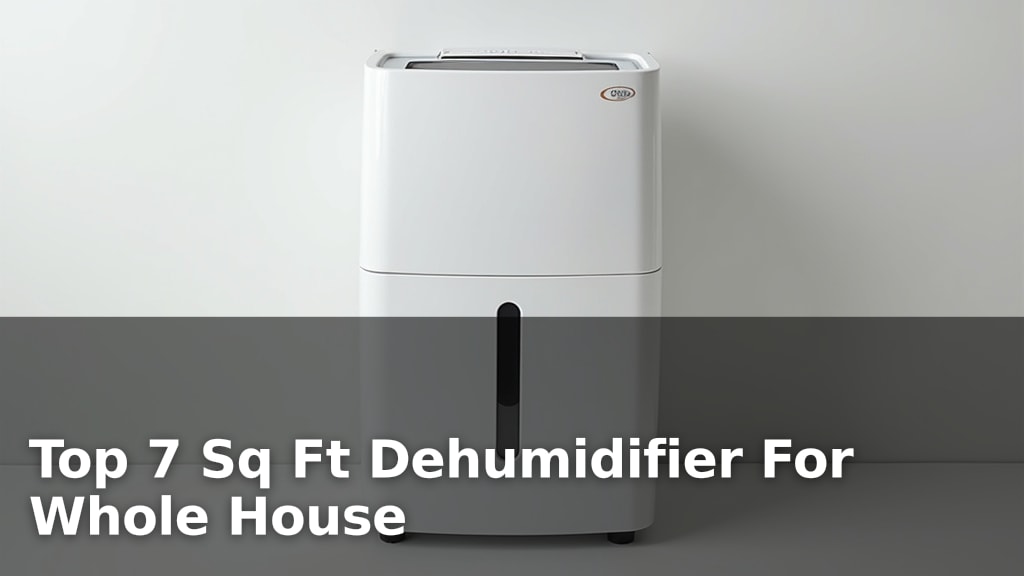
Imagine a humid day; everything feels heavy and sticky, right? A dehumidifier works to pull this extra moisture out of the air. It draws air over a cold coil, condenses the water vapor, and collects it in a tank. The result is drier, more comfortable air.
The Role of Ventilation
Ventilation is the process of replacing indoor air with outdoor air. This is how you get rid of odors, airborne pollutants, and stagnant air. Opening a window or running an exhaust fan are simple forms of ventilation.
Why You Might Think They Are Similar
You might associate a dehumidifier with better air because reducing humidity often makes a space feel cleaner and less stuffy. A drier environment can also lessen the effects of poor ventilation by making mold less likely to grow (CDC).
The Core Function of a Dehumidifier
A dehumidifier’s job is purely about moisture control. It’s a champion at preventing dampness, musty smells, and mold growth. Many experts say a healthy indoor humidity level is between 30% and 50% (EPA).
When Ventilation Becomes Absolutely Essential
Ventilation is vital for removing airborne particles, allergens, and odors from cooking or cleaning products. Without good ventilation, these contaminants can build up inside your home, affecting your health.
Signs Your Home Needs Better Ventilation
Are you experiencing persistent cooking smells? Do you notice condensation on windows or mirrors after a shower? These are often clear signals that your home needs more fresh air. You might also feel a general stuffiness or notice indoor air feels heavy.
Signs You Need a Dehumidifier
If you’re seeing visible mold spots, especially in bathrooms or basements, or smelling a persistent musty odor, a dehumidifier is likely your answer. Sticky floors, clammy skin, and difficulty drying clothes indoors also point to high humidity.
Can Dehumidifiers and Ventilation Work Together?
Absolutely! Think of them as a dynamic duo for your indoor climate. Ventilation brings in fresh air, and a dehumidifier keeps that fresh air at an optimal humidity level. They complement each other wonderfully.
We found that combining both approaches offers the best results for indoor air quality and comfort. For example, you might ventilate your bathroom after a shower and then use a dehumidifier in a damp basement.
When to Use One Over the Other
Use ventilation when you need to remove odors, smoke, or dilute airborne pollutants. Use a dehumidifier when you specifically need to lower the moisture content in the air. Sometimes, you need both at different times or in different areas.
Benefits of Optimal Humidity and Fresh Air
When you manage both humidity and air exchange, you enjoy several advantages:
- Improved comfort and easier breathing.
- Reduced risk of mold and mildew growth.
- Fewer dust mites and other moisture-loving pests.
- Protection for wooden furniture and electronics from moisture damage.
- A fresher smelling and generally healthier living space.
Comparing Dehumidifiers and Ventilation
To make it even clearer, here’s a quick comparison:
| Feature | Dehumidifier | Ventilation |
|---|---|---|
| Primary Goal | Remove excess moisture from air | Exchange indoor air with outdoor air |
| What it Addresses | High humidity, dampness, mold risk | Stale air, odors, airborne pollutants |
| How it Works | Condenses water vapor | Moves air in and out |
| Main Effect | Drier, less sticky air | Fresher air, diluted contaminants |
Practical Steps to Improve Your Home’s Air
Ready to make your home feel amazing? Here’s a simple checklist to guide you:
- Identify areas with high humidity, like basements or laundry rooms.
- Look for signs of poor airflow, such as lingering smells.
- Consider a dehumidifier for damp spaces.
- Use exhaust fans in bathrooms and kitchens.
- Open windows when outdoor air quality is good.
- Ensure your home’s HVAC system has a good filter.
Choosing the Right Dehumidifier for Your Needs
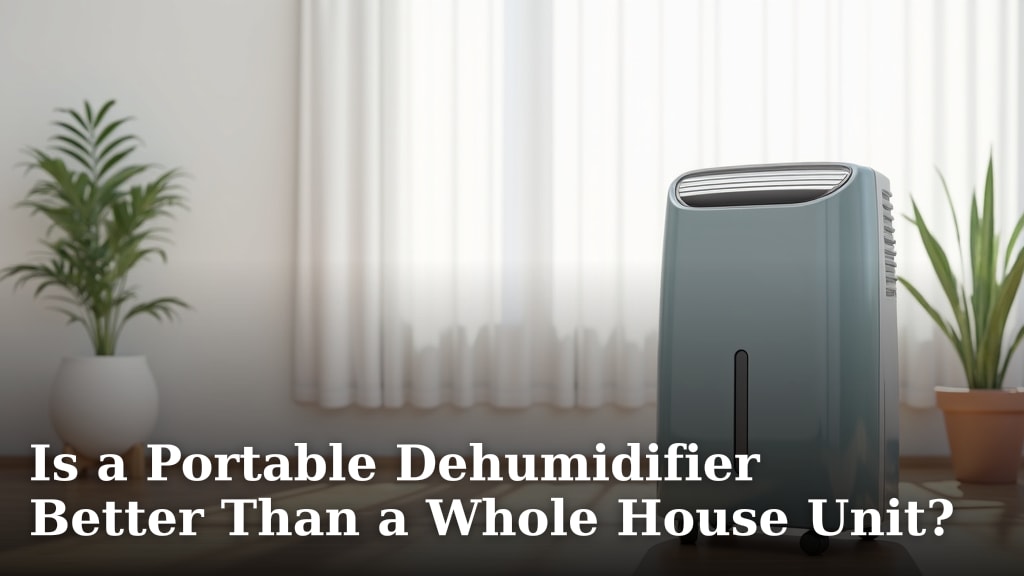
When selecting a dehumidifier, think about the size of your space and how humid it typically gets. Portable units work well for single rooms, while whole-house systems connect to your existing HVAC. Always check the capacity for your specific area.
Conclusion
While a dehumidifier does not directly help with ventilation, it is a powerful tool for controlling indoor humidity. Good ventilation exchanges air, while a dehumidifier dries it out. Both play distinct but equally important roles in creating a healthy and comfortable living environment. By understanding their differences and knowing when to use each, you can effectively manage your home’s air quality. Consider your specific needs – do you have a moisture problem, an air freshness problem, or both?
How do I know if my home needs a dehumidifier or better ventilation?
You likely need a dehumidifier if you notice persistent musty smells, visible mold spots, condensation on cold surfaces, or if your home feels constantly damp and sticky. You need better ventilation if you experience lingering cooking odors, stuffy air, or if indoor air feels stale even after cleaning.
Can a dehumidifier make my air feel fresher?
A dehumidifier can make the air feel fresher by removing excess moisture, which often contributes to a stuffy or heavy feeling. While it doesn’t bring in new air, drier air often feels cleaner and more comfortable, reducing that clammy sensation.
Is it okay to run a dehumidifier and open windows at the same time?
It’s generally not recommended to run a dehumidifier with open windows. The dehumidifier will try to remove moisture from the outdoor air coming in, making it work harder and less efficiently. It’s better to close windows and doors when using your dehumidifier to contain its effect.
Does using an air conditioner provide ventilation?
An air conditioner primarily cools and dehumidifies the air by recirculating existing indoor air; it does not typically bring in fresh outdoor air. While it offers some dehumidification, its main purpose is temperature control. True ventilation involves active air exchange.
Can a dehumidifier prevent all types of mold?
A dehumidifier significantly helps prevent mold that thrives in high humidity conditions by keeping moisture levels low. However, it cannot prevent mold caused by direct water leaks or floods. It’s a preventative measure against airborne moisture, not a solution for structural water issues.