Is It Safe to Sleep with a Dehumidifier On?
On this page (4 sections)
Yes, it is generally safe to sleep with a dehumidifier on, provided you follow the manufacturer’s instructions and maintain the unit properly. Many people find better sleep quality when humidity levels are controlled.
You might be wondering if a running dehumidifier all night could cause problems, like drying out the air too much or creating a fire hazard. We found that modern dehumidifiers are safe for continuous use, but certain precautions can make them even safer for you and your family. Thinking about keeping your indoor air comfortable is smart.
- Safe with proper use
- Improves sleep for some
- Prevents mold and dust mites
- Keep unit clean and maintained
Below, we break down everything you need to know about sleeping with a dehumidifier, including benefits and simple safety tips. Let’s make sure you’re breathing easy.
Is It Alright to Sleep with Your Dehumidifier Running?
Yes, it’s generally fine to keep your dehumidifier on while you sleep. Many people find it helps them rest better, especially if their bedroom feels damp or muggy. We found that modern units are designed for continuous operation.
Sleeping with a dehumidifier can create a more comfortable environment. It helps control the moisture in your air. This can lead to a more refreshing sleep experience for you.
How Dehumidifiers Benefit Your Sleep Environment
You might wonder what good a dehumidifier actually does for your sleep. Well, it primarily helps by reducing excess humidity. High humidity can make a room feel sticky and hot, even if the temperature isn’t that high.
When your body struggles to regulate its temperature in a humid environment, it can lead to restless nights. A dehumidifier brings the humidity to a comfortable level. This allows your body to cool down more efficiently, promoting deeper, more restorative sleep (National Institutes of Health).
Beyond comfort, dehumidifiers also play a role in air quality. They help prevent the growth of common allergens. This can be a big relief for sensitive individuals.
Reducing Allergens and Irritants
Excess moisture is a friend to many unwanted guests in your home. These include dust mites and mold. Both can trigger allergies and asthma symptoms. We found that keeping humidity low makes your bedroom less inviting for them.
Dust mites thrive in humidity levels above 50%. A dehumidifier keeps your room below this threshold. This helps to reduce dust mite populations significantly. Less dust mites often means fewer sneezes and clearer breathing for you.
Mold also loves damp conditions. It can grow on walls, carpets, and even inside your mattress if humidity is too high. Mold spores can irritate your respiratory system. A dehumidifier creates an environment where mold struggles to survive, helping to protect your indoor air quality.
Potential Concerns When Running a Dehumidifier Overnight
While generally safe, you might have a few worries about leaving a machine on all night. Common concerns include noise, fire risk, and drying out the air too much. Let’s look at these so you can feel more confident.
Noise Levels and Sleep Quality
Older dehumidifiers were often quite noisy. They could disrupt sleep with their humming and fan sounds. We found that newer models are much quieter. Many are designed with sleep mode or have lower decibel ratings.
Some people even find a gentle hum soothing, like white noise. It can mask other household sounds. If noise is a concern for you, check the decibel rating before buying. Many manufacturers list this information. Look for units under 50 decibels for a quieter experience.
Fire Safety and Electrical Considerations
You’re right to think about fire safety with any electrical appliance. We found that modern dehumidifiers have built-in safety features. These features include automatic shut-offs if the unit overheats or if the water tank gets full.
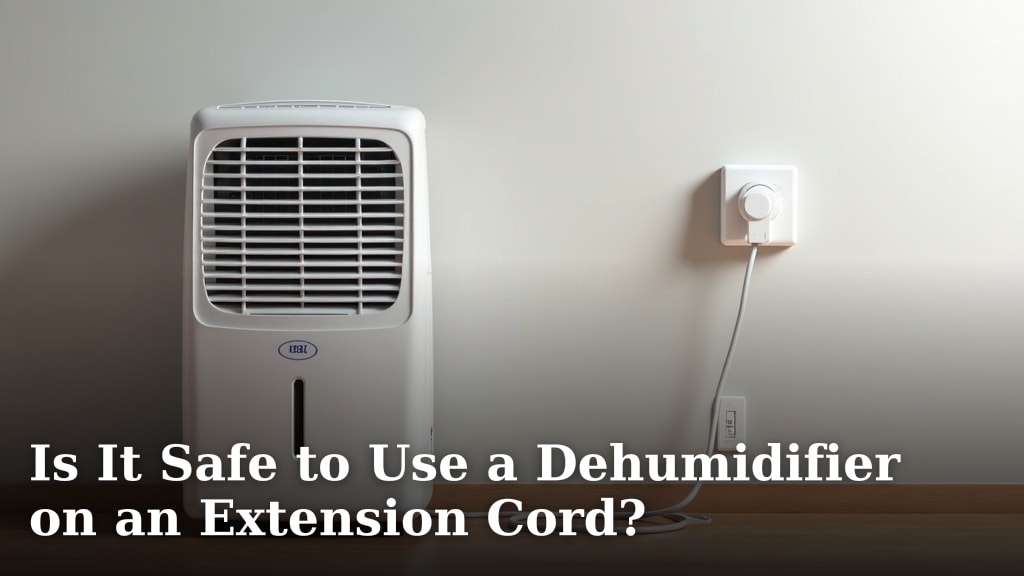
However, it’s still important to use them responsibly. Always plug your dehumidifier directly into a wall outlet. Avoid extension cords. Extension cords can overheat and pose a fire risk. Make sure the cord is in good condition with no frays.
Keep your dehumidifier on a flat, stable surface. Ensure there’s enough space around it for proper airflow. This prevents overheating and helps the unit run efficiently. Treating it with care goes a long way in ensuring safety.
Over-Drying the Air: Is There Such a Thing?
Can a dehumidifier make your room too dry? Yes, it’s possible. Air that’s too dry can cause its own set of problems. You might experience a dry throat, irritated sinuses, or even static electricity. We found that ideal indoor humidity is generally between 30% and 50% (Environmental Protection Agency).
Most dehumidifiers come with a humidistat. This device lets you set your desired humidity level. Once the room reaches that level, the unit will cycle off or run at a lower speed. This prevents over-drying and helps maintain a comfortable balance for you.
If you wake up with dry eyes or a scratchy throat, check your humidistat setting. You might need to adjust it upwards a bit. Listening to your body is always a good guide.
Setting Up Your Dehumidifier for Safe Overnight Use
Getting your dehumidifier ready for a good night’s sleep is straightforward. A few simple steps ensure both your comfort and safety. Think of it like a quick pre-flight check for your sleep machine.
Optimal Placement in Your Bedroom
Where you put your dehumidifier matters. You want it to work efficiently and safely. We found that placing it in the center of the room is often best. This allows for even air circulation and moisture removal.
Avoid putting it too close to walls or furniture. These can block the airflow vents. You need at least 6-12 inches of clear space around the unit. This helps prevent overheating and ensures the machine can do its job effectively for you.
Also, try to keep it away from open doorways or windows. This prevents the unit from trying to dehumidify the entire house or the outdoors, which wastes energy and effort.
Setting the Right Humidity Level
The “sweet spot” for indoor humidity is usually between 40% and 50%. This range is comfortable for most people and discourages mold and dust mites. Your dehumidifier’s humidistat is your best friend here.
Start by setting it to 45%. See how you feel after a night or two. If you still feel clammy, you can lower it slightly. If you feel too dry, increase it. It’s about finding what feels most comfortable for your body.
Don’t aim for extremely low humidity, like below 30%. This isn’t usually necessary and can lead to the “too dry” symptoms we discussed earlier. Balance is key to comfortable sleep.
Maintenance Checklist for Peace of Mind
Regular maintenance is crucial for safe and efficient operation. Just like your car needs oil changes, your dehumidifier needs a little care. We found that simple steps can greatly extend its life and performance.
- Clean the air filter: Check it every two weeks. Dust and debris can clog it, reducing efficiency and potentially causing overheating. A clean filter helps your unit breathe easily.
- Empty the water tank regularly: Most units have an auto-shutoff when full, but it’s good practice to empty it daily or before bed. Some models have a continuous drain option if you have a floor drain nearby.
- Inspect the power cord: Look for any signs of damage, fraying, or exposed wires. If you see any, stop using the unit immediately and replace the cord or unit.
- Clean coils and vents: Over time, dust can build up on the coils and in the vents. Gently wipe these areas with a soft cloth or use a vacuum attachment to keep them clear.
- Clear around the unit: Ensure proper airflow by keeping objects away from the intake and exhaust vents. This helps prevent the unit from working too hard.
- Check for strange noises or smells: If you notice unusual sounds or a burning smell, turn off the unit and unplug it. This could indicate a problem that needs professional attention.
When to Avoid Sleeping with a Dehumidifier
While generally safe, there are times you might want to skip running your dehumidifier overnight. Use your judgment and listen to your body and your home.
If your room is already very dry (below 35% humidity), then turning it on would be counterproductive. You’d likely wake up feeling uncomfortable. A hygrometer can help you measure your room’s exact humidity.
If you have any respiratory conditions that are worsened by dry air, consult with your doctor. They might recommend maintaining slightly higher humidity levels. Your health always comes first.
Finally, if your unit is old, damaged, or showing any signs of malfunction, don’t use it unattended, especially while you sleep. Safety should always be your top priority. It’s better to be safe than sorry when it comes to electrical appliances.
Conclusion
Sleeping with a dehumidifier can significantly improve your comfort and health. By following simple safety and maintenance tips, you can enjoy a drier, cleaner, and more restful bedroom environment. Modern units are designed with your safety in mind. They offer features that prevent issues like over-drying or overheating.
You can confidently use your dehumidifier overnight to maintain optimal humidity levels. This helps prevent mold and dust mites. We encourage you to set your unit correctly and keep it clean. This ensures you wake up feeling refreshed and ready for your day.
Frequently Asked Questions
What is the ideal humidity level for sleeping?
The ideal humidity range for comfortable sleep and to deter allergens is generally between 40% and 50%. This balance helps prevent the air from feeling too damp or too dry. Many dehumidifiers allow you to set this precise level.
Can a dehumidifier help with snoring?
While not a direct cure, a dehumidifier might indirectly help with snoring for some. If snoring is worsened by congestion from allergies or dry sinuses, maintaining optimal humidity can reduce these irritants. This could lead to clearer breathing and potentially less snoring.
How often should I empty the water tank?
You should aim to empty your dehumidifier’s water tank daily, especially when running it overnight. Most units have an automatic shut-off when the tank is full, but emptying it ensures continuous operation. Some models offer a continuous drain option for even less hassle.
Are there energy-efficient dehumidifiers for overnight use?
Yes, many modern dehumidifiers are designed to be energy-efficient. Look for models with an Energy Star rating. These units consume less power, which can save you money on your electricity bill while running overnight. Features like humidistats also help by allowing the unit to cycle on and off as needed.
Can I use a dehumidifier if I have respiratory problems like asthma?
For many with respiratory conditions like asthma, a dehumidifier can be beneficial by reducing mold and dust mite triggers. However, very dry air can also irritate airways. It’s best to consult your doctor to find the optimal humidity level for your specific condition before regular overnight use.