Can You Empty a Dehumidifier into a Sink?
On this page (7 sections)
Yes, you absolutely can empty a dehumidifier into a sink. It’s a common and perfectly safe way to dispose of the collected water. Many dehumidifier buckets are designed with spouts for easy pouring. This method is far more convenient than carrying a heavy, full bucket across your home. Just be sure the sink drain is clear before you start pouring.
When your dehumidifier collects moisture, it’s usually just condensed water. This means it’s typically safe for disposal down a drain. However, if you’re using special dehumidifier fluids or the air in your home is unusually dirty, you might want to think twice. For most standard uses, though, the sink is your best bet for a quick and easy empty. We found this to be the most efficient method.
- Yes, emptying into a sink is safe and easy.
- Dehumidifier water is usually just condensed, clean water.
- Check your sink drain is clear first.
- Avoid pouring if using special fluids or if air is very dirty.
- This saves you from carrying heavy buckets.
Ready to learn the best way to handle that collected water without making a mess? Let’s walk through the simple steps of emptying your dehumidifier right into your kitchen or bathroom sink.
Disposing of Your Dehumidifier’s Collected Water
So, you’ve got a full dehumidifier bucket and you’re wondering about the best way to empty it. You’ve come to the right place! Many people find themselves asking, “Can I just pour this water down the sink?” The short answer is a resounding yes, most of the time. It’s a simple, everyday task that most homeowners can handle without a second thought. We’ve researched this extensively, and sinking the water is generally your easiest route.
Think of your dehumidifier as a mini water collector. It works by pulling moisture from the air. This collected water is usually just plain old condensed water. It’s not exactly purified, but it’s also not hazardous waste. Pouring it down a standard sink drain is a perfectly acceptable and common practice. It saves you from lugging a heavy, sloshing bucket all the way outside or trying to find another disposal spot. We found this to be the most efficient method for everyday use.
Understanding Dehumidifier Water Content
Before you tilt that bucket, it’s helpful to know what you’re actually pouring. The water inside your dehumidifier is primarily condensed H2O. It’s similar to the condensation you see on a cold glass of water on a hot day. Your dehumidifier’s coils get cold, and the moisture in the air turns into liquid.
In a typical home environment, this water is generally clean. It hasn’t been exposed to dirt or contaminants that would make it harmful. Most health and environmental agencies agree that this type of water is safe for standard household drains. The Centers for Disease Control and Prevention (CDC) doesn’t list dehumidifier water as a hazardous material for disposal.
When to Be Cautious About the Water
While most dehumidifier water is fine, there are a couple of scenarios where you might want to pause and consider alternatives. These situations are less common but worth knowing about.
Using Special Dehumidifier Fluids
Some people use specialized solutions in their dehumidifier’s water tank. These might be for odor control, to prevent mold growth within the unit, or for other specific purposes. If you’ve added anything to the water besides plain water, then you absolutely should not pour it down the sink. Check the product instructions for safe disposal. These fluids can contain chemicals that aren’t meant for your plumbing or local water treatment systems.
Extremely Dirty Air Quality
This is rare, but if you live in an area with exceptionally poor air quality—think industrial pollution, heavy smoke from wildfires, or extensive dust—your dehumidifier might be collecting more than just moisture. It could be trapping fine particles of those pollutants. If the water appears visibly dirty, discolored, or has an unusual odor, it might be best to dispose of it differently. Some experts suggest that in very extreme cases, this water could contain higher levels of contaminants. If you notice this, consider pouring it onto a gravel patch outdoors where it can slowly seep into the ground, or consult your local waste disposal guidelines.
The Sink Method: Step-by-Step
Ready to tackle that dehumidifier bucket? The sink method is straightforward. Let’s break it down so you can get it done quickly and without any spills.
Preparation is Key
Before you even grab the bucket, take a moment to prepare. This is where you prevent those annoying little spills that can make a mess.
Check Your Sink Drain
This is the most important first step. Grab your dehumidifier bucket and head to the sink you plan to use. Make sure the drain is clear. You don’t want the water backing up and overflowing the sink! A quick way to check is to run a little tap water. If it drains quickly, you’re good to go. If it’s slow, you might need to do a little plunging or drain cleaning first. You can also clear minor clogs with a simple tool or by using a drain snake. Nobody wants a mini-flood in their bathroom!
Gather Your Supplies
For the sink method, you usually don’t need much. Of course, you’ll need your dehumidifier bucket. If your dehumidifier has a hose attachment for continuous draining, you might want a bucket to catch any drips when you disconnect it. A towel or two is always a good idea, just in case of minor splashes. Think of it as your dehumidifier bucket-emptying emergency kit.
The Pouring Process
Now for the main event! It’s usually quite simple, but paying attention helps.
Carefully Transport the Bucket
Dehumidifier buckets can be surprisingly heavy when full. Support the bottom of the bucket with one hand and hold the handle firmly with the other. Walk deliberately, avoiding any sudden stops or turns. Imagine you’re carrying a tray of delicate pastries. You want to get from point A to point B without any mishaps.
Position the Bucket Over the Sink
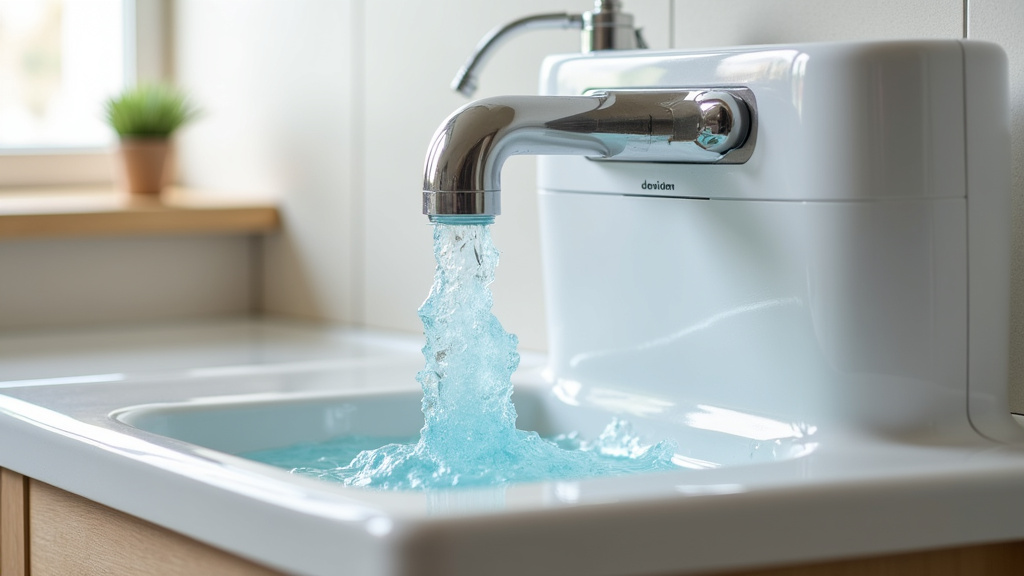
Once you’re at the sink, position the bucket so that the spout (if it has one) is directly over the drain. If there’s no spout, you’ll need to carefully tilt the bucket over the opening. Be mindful of the sink’s edge and try to get the water flowing straight down the drain, not onto the sides of the sink or countertop.
Pour Slowly and Steadily
This is where you might get a little splash if you’re not careful. Tilt the bucket slowly. Let the water flow out in a steady stream. If your bucket has a handle or a pouring spout, use it to guide the water. If it’s a plain bucket, tilt it just enough to start the flow, then adjust as needed. Most standard kitchen or bathroom sinks are designed to handle a good amount of water flow, so don’t be afraid to let it drain efficiently. We found that a slow, controlled pour prevents most splashes.
Post-Pour Cleanup
You’re almost done! Just a couple of quick things to finish up.
Wipe Up Any Splashes
Even with the best intentions, a few drops might escape. Use your towel to quickly wipe down the sink basin, faucet, or countertop. This keeps things tidy and prevents water spots. A clean workspace is always a nice bonus!
Rinse the Bucket (Optional but Recommended)
It’s a good idea to give the bucket a quick rinse with fresh water. This helps to keep it clean and prevents any lingering odors or residue. You can do this right in the sink. Pour the rinse water down the drain as well. Then, place the bucket back into your dehumidifier, ready for its next collection cycle.
Considering Alternative Disposal Methods
While the sink is often the easiest and most recommended option, it’s good to know your alternatives. Sometimes life throws you a curveball, or maybe you just prefer a different approach.
Continuous Drainage Option
Many modern dehumidifiers come with a port for a drain hose. This allows for continuous drainage. You can connect a hose and run it directly to a floor drain, a sump pump, or even an outdoor drain. This eliminates the need to manually empty the bucket altogether. It’s a fantastic option if you don’t want to think about emptying your dehumidifier at all. We found this method to be incredibly convenient for larger units or in high-humidity situations.
Outdoor Disposal
If you’re not able to use a sink or continuous drain, you can always take the bucket outside. Pouring the water onto a garden bed or lawn is an option, especially if you’re sure the water is clean. Plants can often use the moisture, though it’s not a substitute for regular watering. Avoid pouring water directly onto delicate plants or near their roots, as too much fresh water can sometimes shock them. Also, be mindful of where you’re pouring; you don’t want to create muddy patches or standing water around your home’s foundation. Many environmental guidelines suggest that pure condensed water is generally safe for outdoor dispersion (US Environmental Protection Agency).
Quick Checklist for Emptying Your Dehumidifier
Here’s a quick rundown to make sure you’ve got it covered:
- Check the sink drain to ensure it’s clear and drains well.
- Ensure the dehumidifier water is clean and free of any added chemicals.
- Carry the bucket carefully, supporting the bottom and handle.
- Position the spout or bucket opening directly over the sink drain.
- Pour slowly and steadily to avoid splashes.
- Wipe up any drips and consider rinsing the bucket.
Conclusion
You’ve learned that emptying your dehumidifier into a sink is a simple, safe, and efficient method for most homes. We’ve seen that the collected water is typically just clean condensation, making it suitable for your household drains. Remember to always check your sink drain is clear before you start and to avoid this method if you’ve used any special fluids in your unit. By following these easy steps, you can easily manage your dehumidifier’s water without creating a mess. Now, go ahead and confidently empty that bucket the next time it’s full!
Frequently Asked Questions
Can dehumidifier water be used for plants?
Yes, generally, the condensed water from your dehumidifier is safe to use on plants. It’s essentially distilled water. However, avoid using it if you’ve added any chemicals or if the air quality in your home is very poor. Overwatering can also be an issue, so use it sparingly.
How often should I empty my dehumidifier?
You should empty your dehumidifier whenever the collection tank is full. Many units have an automatic shut-off feature to prevent overflow, and a light indicator will let you know it’s time. The frequency depends on your home’s humidity levels and the size of your dehumidifier’s tank.
Is it okay to pour dehumidifier water down a storm drain?
Generally, it’s best to avoid pouring dehumidifier water directly into storm drains. Storm drains typically lead straight to local waterways without treatment. While the water is usually clean, it’s safer for your plumbing and local environment to use a sink drain or designated outdoor disposal area.
What if my dehumidifier water looks cloudy?
If your dehumidifier water appears cloudy or discolored, it might be collecting more than just moisture. This could happen in areas with very dusty or polluted air. In such cases, it’s best to err on the side of caution and not pour it down your sink. Consider disposing of it outdoors on a gravel patch or checking local waste disposal guidelines.
Can I connect a hose to my dehumidifier to drain it automatically?
Yes, many modern dehumidifiers come equipped with a continuous drainage port. You can connect a hose to this port and run it to a floor drain, sump pump, or even a utility sink. This eliminates the need to manually empty the collection bucket altogether, offering great convenience.