How Dirty Is Dehumidifier Water?
Dehumidifier water, often called condensate, can be surprisingly dirty, containing various airborne particles and microorganisms from your home’s air. It is generally not clean enough for consumption or sensitive uses without proper filtration and sterilization.
The water collected in your dehumidifier is a direct result of moisture removal from the air, meaning it traps whatever impurities were suspended in that humidity. This can include dust, mold spores, pet dander, and even some volatile organic compounds.
- The water collected by your dehumidifier isn’t just pure H2O; it’s a mix of atmospheric debris.
- Expect to find particles like dust, pollen, mold spores, and even bacteria suspended in it.
- This “dirty” water is a visual reminder of what your dehumidifier pulls out of your air.
- Never drink dehumidifier water without treatment; it’s generally considered non-potable.
How Dirty Is Dehumidifier Water?
Dehumidifier water is quite dirty because it collects contaminants directly from the air it processes. It often contains a visible mix of dust, dirt, and biological growth, clearly showing your unit is working.
Think of your dehumidifier as a silent air scrubber, pulling moisture and everything else floating with it. This collected water gives you a peek into your indoor air quality.
The Source of the Grime: Where Does It Come From?
Where does this dirty water originate? The simple answer is your home’s air. A dehumidifier works by drawing in moist air, cooling it over coils, and condensing the water vapor into liquid.
As air passes through, it isn’t just water vapor getting trapped. Any tiny airborne particles are also caught. Dust, pet dander, and pollen often stick to the cooling coils and then wash into the collection bucket.
Mold and mildew spores also live in humid air. Once condensed, these spores can settle in the water. Over time, they can even grow inside the bucket if not cleaned regularly, leading to slimy residue and odors.
What You Might Find in Your Dehumidifier Water
You might be surprised by the variety of things floating in your dehumidifier’s bucket. It’s more than just clear water. We found that the contents are a clear indicator of your indoor environment.
Common findings include visible dust, lint, and pet hair. You might also see discoloration, which comes from dirt or chemicals in the air. Many experts say this collection helps improve your breathing space (EPA).
| Contaminant | Common Source |
|---|---|
| Dust & Lint | Fabric fibers, skin cells, outdoor dirt |
| Pollen | Plants, outdoor air infiltration |
| Mold Spores | Humid areas, damp surfaces, decaying organic matter |
| Bacteria | Airborne microbes, human/pet activity |
| Minerals | Water vapor from tap water use (e.g., showers) |
Is That Water Safe to Touch?
Generally, touching dehumidifier water is safe. However, it’s not sterile and can contain bacteria or mold spores. Always wash your hands thoroughly afterward.
Never drink this water directly from the unit. Research often connects untreated standing water with germ growth (CDC). It might look clear, but invisible contaminants exist.
The Impact on Your Home and Health
While the water itself is dirty, its collection actually benefits your home. By removing excess moisture, your dehumidifier stops problems before they start. It’s all about creating a healthier indoor space.
Reducing humidity helps prevent mold and mildew growth on surfaces. This is a big win for those with allergies or asthma. Many guidelines point to lower humidity levels as a good first step for better breathing (Mayo Clinic).
Can Dehumidifier Water Be Used for Anything?
Because it’s not potable, using dehumidifier water for drinking is a no-go. But don’t pour it all down the drain! It has non-drinking applications around your home.
You can use this water for watering houseplants, especially those that prefer soft water. It’s also suitable for general cleaning, flushing toilets, or topping up your car’s windshield wiper fluid. Just remember, it’s not pure.
When to Empty and Clean Your Dehumidifier
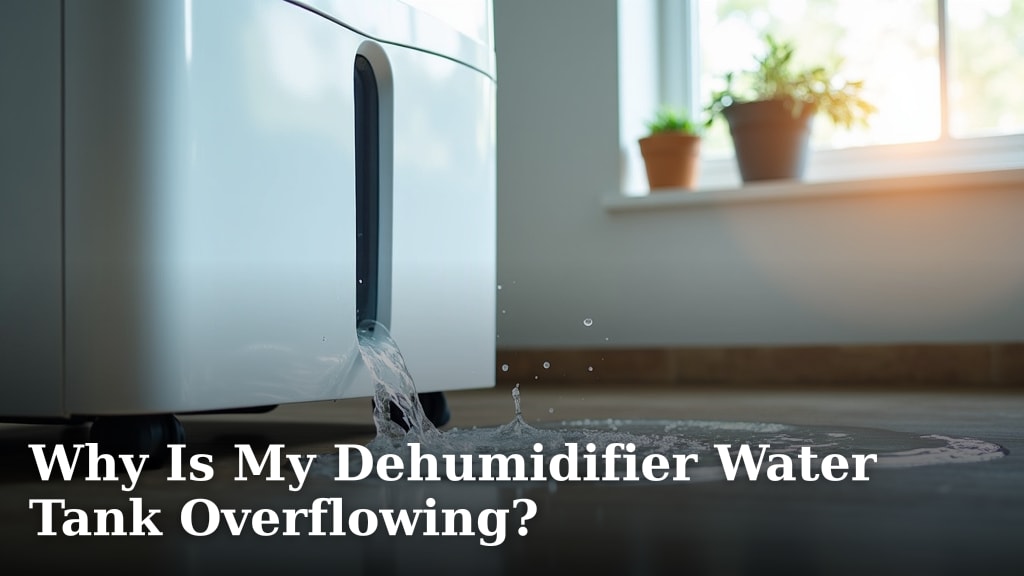
Regular emptying is crucial for your dehumidifier’s performance and the quality of your indoor air. A full bucket means your unit stops working. Don’t let it overflow.
Aim to clean the water collection bucket at least once a month. If you notice a slimy film or bad odor, it’s definitely time for a clean. This keeps mold from settling in. Many experts say consistent cleaning pays off.
Step-by-Step Cleaning Guide
Cleaning your dehumidifier is simpler than you might think. It only takes a few steps to keep it fresh. A clean unit means it works more efficiently.
- Unplug the unit: Safety first! Always disconnect power before cleaning.
- Empty the bucket: Discard the collected water immediately.
- Wash the bucket: Use warm, soapy water and a soft cloth to clean the inside.
- Rinse thoroughly: Make sure no soap residue remains in the bucket.
- Clean the filter: Check your manual for filter cleaning instructions; some are washable.
- Wipe down exterior: A quick wipe keeps the outside looking good too.
Recognizing Signs of a Dirty Dehumidifier
How do you know if your dehumidifier is getting too dirty? Your nose is often the first detector. A musty or moldy smell coming from the unit is a sure sign it needs attention. Trust your senses.
Reduced efficiency is another sign. If your home still feels damp, or the unit runs constantly without much water collection, it might be clogged. Visible grime or slime inside the bucket confirms the problem. Don’t ignore these warnings.
Maintaining Your Dehumidifier for Cleaner Water
Preventative maintenance is your best friend for cleaner dehumidifier water. A little effort now saves you bigger headaches later. Think of it like taking care of any household appliance.
Regularly clean or replace the air filter according to the manufacturer’s guidelines. A clean filter means less dust gets to the coils and the water. This directly impacts the cleanliness of the condensate.
Keep the area around your dehumidifier clean too. Less ambient dust means less dust drawn into the unit. This simple step helps keep the collected water clearer and reduces cleaning frequency.
Conclusion
The water collected in your dehumidifier is a clear indicator of the invisible particles floating in your home’s air. It’s a mix of dust, mold spores, and other airborne elements, making it unsuitable for drinking.
Understanding what makes this water dirty helps you appreciate the job your dehumidifier does. By regularly emptying and cleaning your unit, you ensure it continues to improve your indoor air quality and keeps your home feeling fresh. Your dehumidifier works hard; give it a little care in return.
Is dehumidifier water good for plants?
Yes, dehumidifier water can often be good for houseplants, especially those sensitive to the chlorine and minerals found in tap water. It’s essentially distilled water. However, it’s not sterile, so avoid using it on edible plants or seedlings unless boiled first to kill potential microbes.
Why does my dehumidifier water smell bad?
A bad smell from your dehumidifier water usually indicates bacterial or mold growth within the collection bucket or on the coils. This happens when the unit isn’t cleaned regularly, allowing spores and microbes to multiply in the standing water. A thorough cleaning with a mild bleach solution or vinegar typically resolves the odor.
Can dehumidifier water be used in a humidifier?
No, you should generally not use dehumidifier water in a humidifier. Dehumidifier water contains airborne contaminants, bacteria, and mold spores that would then be aerosolized and dispersed into your air by the humidifier. This can spread germs and compromise your indoor air quality, which defeats the purpose of both appliances.
How often should I clean my dehumidifier’s water bucket?
You should aim to clean your dehumidifier’s water collection bucket at least once a month with warm, soapy water. If your home is particularly humid, dusty, or you notice a slimy film or odor, clean it more frequently. Regular cleaning prevents mold and bacterial buildup.
Does dehumidifier water have chemicals?
Dehumidifier water typically doesn’t contain added chemicals, but it can collect airborne chemical residues like volatile organic compounds (VOCs) that might be present in your home’s air. If you’re concerned about specific chemical exposure, maintaining good ventilation and limiting indoor pollutant sources are key.