Does a Split System Dehumidify?
Yes, a split system air conditioner does dehumidify your home as a natural part of its cooling process, effectively removing moisture from the air.
While split systems contribute to drier air, they may not always provide sufficient dehumidification, especially in very humid climates or during milder temperatures when less cooling is needed.
Here’s a quick overview of what you’ll learn:
- Split systems naturally remove some humidity during cooling.
- Their primary job is cooling, not just drying the air.
- Dedicated dehumidifiers offer more precise humidity control.
- You might need both for optimal comfort in damp environments.
- Understanding the difference helps you make the best choice.
Does a Split System Dehumidify?
Yes, your split system air conditioner naturally dehumidifies the air as it cools your home. This process is a fundamental part of its design and operation.
How Your Split System Handles Humidity
When your split system runs, it draws in warm, moist air from your home. This air passes over a very cold evaporator coil. The cold surface causes water vapor to turn into liquid.
Think of how condensation forms on a cold drink glass. The same principle applies here. This process effectively removes some moisture from your indoor air.
The Condensation Process
The water that condenses on the coil drips into a collection pan. From there, it drains away, usually outside your home. This removal of liquid water means less humidity in your air.
So, every time your AC cools, it also dries the air a bit. It’s a dual-action system, bringing you both comfort and less stickiness.
Limitations of AC for Dehumidification
While your AC helps with humidity, it’s primarily a cooling device. Its dehumidifying power is linked to its cooling cycles. It only removes moisture when it’s actively running to cool your space. For another home system, see whether an HRV removes moisture.
This means its dehumidification isn’t constant. It fluctuates with how often and how long your unit needs to operate to meet your temperature setting.
When Your AC Short-Cycles
In mild weather, your home might reach its target temperature quickly. This causes your AC to turn off sooner. Shorter run times mean less air passes over the coils.
Consequently, less moisture is removed. You might feel cool but still experience uncomfortably high humidity. Your AC isn’t running long enough to truly dry the air.
The “Sticky” Feeling Even When Cool
Have you ever walked into a cool room that still felt damp or “heavy”? That’s a sign your AC is managing temperature but not humidity. High humidity makes sweat evaporate slowly.
This leads to that clammy, sticky feeling. Many experts say indoor humidity should ideally be between 30% and 50% (EPA). Staying within this range is key.
Dedicated Dehumidifiers: Why They Excel
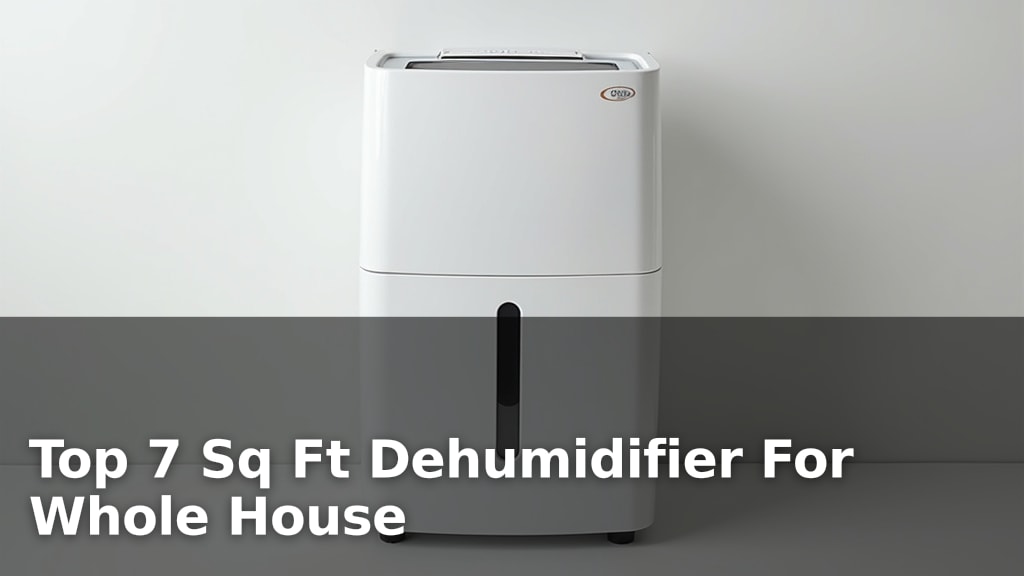
A standalone dehumidifier is designed solely to extract moisture from the air. It pulls in air, cools it to condense water, and then gently reheats the dry air before releasing it.
Its focus is on humidity control, not temperature. This allows it to run continuously, if needed, without making your room too cold. It provides precise, targeted moisture removal.
Precision Over General Cooling
Unlike an AC, a dehumidifier lets you set a specific humidity target. It will then work to maintain that level. This offers much greater control over your indoor environment.
This dedicated approach means it can tackle persistent dampness. It does this without affecting the temperature you prefer for cooling.
AC vs. Dehumidifier: A Quick Comparison
Understanding the core differences helps you decide the best solution. Both have roles in a comfortable home, but their primary functions diverge. Here’s a brief look:
| Feature | Split System AC | Dedicated Dehumidifier |
|---|---|---|
| Primary Function | Cooling and heating | Moisture removal |
| Temperature Impact | Lowers room temperature | Minimal temperature change |
| Efficiency for Humidity | Effective during cooling cycles | Highly efficient, continuous |
| Energy Use | Higher overall | Lower, but still uses power |
| Best Use Case | General comfort, warmer months | Damp areas, basements, year-round humidity control |
Spotting High Humidity Problems
How can you tell if your home has too much moisture? Keep an eye out for visual cues. You might see condensation on windows, mirrors, or cold pipes.
A persistent musty or damp odor is another strong indicator. These smells often point to mold or mildew growth. They thrive in overly humid conditions.
Visible Clues and Health Risks
Beyond odors, you might spot mold spots on walls, ceilings, or fabrics. Wood floors might start to warp or swell. Peeling paint or wallpaper are also common signs.
High humidity also encourages dust mites, known allergens. Research often connects these issues to poorer indoor air quality (NIH). Maintaining proper levels is important for your home and your family’s health.
Boosting Your Split System’s Dehumidifying Power
Some newer split systems come with a “dry mode” or “dehumidify mode.” This setting changes how the unit operates. It often runs the fan at a slower speed.
This allows more air to pass over the cold coil, pulling out extra moisture. It may also adjust the compressor cycling. Check your unit’s manual to see if this helpful feature is available to you.
Exploring “Dry Mode” Features
If your AC has a dry mode, using it can make a noticeable difference. It aims to reduce humidity without significantly dropping the room temperature. This is perfect for those muggy, not-too-hot days.
It can offer a compromise, providing better dehumidification than standard cooling. It does this without the energy use of a dedicated unit, if used occasionally.
When to Combine Forces: AC and Dehumidifier
In very humid regions or homes with specific damp areas, combining both systems is often the best approach. Your AC handles the main cooling and some dehumidification.
A dedicated dehumidifier can then tackle residual moisture. It ensures optimal humidity levels. This creates a much more consistently comfortable environment.
Choosing the Right Dehumidifier Type
If you decide a dehumidifier is right for you, consider your needs. Portable units are great for single rooms or basements. Whole-home units integrate with your existing ductwork for house-wide control.
Desiccant models work better in colder spaces, while refrigerant models are ideal for warmer, very damp areas. We found research suggesting that matching the type to your environment is key for efficiency (ASHRAE guidelines).
Simple Habits for Lower Humidity
Beyond appliances, everyday actions can help manage moisture. Ensure good ventilation, especially in moisture-prone rooms like bathrooms and kitchens.
Run exhaust fans during and after showers and cooking. Opening windows when outside air is dry and cool can also air out your home. These are easy, impactful steps.
- Always use exhaust fans in bathrooms and kitchens.
- Fix any plumbing leaks quickly to stop water evaporation.
- Ensure clothes dryers vent outside, not into your home.
- Check your home’s foundation for proper drainage.
- Use waterproof liners under shower curtains to prevent splashes.
Maintaining Your Systems for Better Air
Regular maintenance ensures both your AC and any dehumidifier work efficiently. Clean or replace your split system’s air filters every 1-3 months. Dirty filters hinder airflow.
This reduces both cooling and moisture removal. For dehumidifiers, clean the filter and empty the water reservoir regularly. Clear drainage prevents overflow and improves performance for optimal humidity control.
The Rewards of Optimal Humidity Control
Achieving balanced indoor humidity brings many benefits. You’ll enjoy greater comfort, even at slightly higher temperatures, which can mean energy savings. Your home will be safer from moisture damage.
It also helps reduce common allergens like dust mites and mold spores. This contributes to a healthier living space. A dry home feels fresh, clean, and inviting year-round.
Conclusion
Your split system AC naturally contributes to dehumidification as it cools your home. It’s an integral part of how these units function. However, its primary role is temperature control.
For consistent or challenging humidity issues, especially in humid climates or specific damp areas, a dedicated dehumidifier often offers superior control. Understanding the strengths and weaknesses of each system empowers you to create the most comfortable and healthy indoor environment possible.
Whether you rely solely on your AC, utilize its dry mode, or invest in a separate dehumidifier, actively managing your home’s humidity is a smart move. It protects your property, enhances comfort, and supports better health for everyone under your roof.
What is the ideal indoor humidity level for comfort?
Many experts agree that an indoor humidity level between 30% and 50% is ideal for comfort and health. Levels outside this range can lead to issues like mold growth or dry skin.
Can I use my split system and a dehumidifier at the same time?
Yes, you can absolutely use both. In fact, many people find this combination most effective in very humid climates. Your AC handles cooling, and the dehumidifier fine-tunes the moisture levels. They work as a great team.
Does using a dehumidifier increase my energy bill?
A dedicated dehumidifier does use electricity, so it will add to your energy bill. However, by making your home feel less sticky, you might be able to set your AC thermostat a few degrees higher. This could offset some of the dehumidifier’s energy consumption.
How do I know if my AC’s “dry mode” is working effectively?
You can use a hygrometer, an inexpensive device that measures humidity, to check if your AC’s dry mode is making a difference. Compare the humidity levels before and after using the mode. You should feel a noticeable reduction in the air’s stickiness.
Should I get a portable or whole-home dehumidifier?
The choice depends on your specific needs. A portable unit is good for targeting a single damp room, like a basement or bathroom. A whole-home dehumidifier integrates with your HVAC system to control humidity throughout your entire house, offering more comprehensive coverage.