Can You Use Dehumidifier Water to Flush a Toilet?
Yes, you can pour dehumidifier water into the toilet bowl to flush it, and the water will work for that one use. Do not treat it as clean or safe for drinking, plants, or appliances, because dehumidifier condensate is not sterile and can pick up mold, bacteria, and minerals from the air and coils.
On this page (10 sections)
- What is dehumidifier water, really?
- Can you pour dehumidifier water into the toilet bowl safely?
- Why not drink dehumidifier water or use it in a battery?
- Will dehumidifier water harm your toilet, tank parts, or septic system?
- Does a dehumidifier take water from the room or from the toilet?
- How to pour dehumidifier water into the toilet bowl, step by step
- What are the risks of reusing condensate around the home?
- When should you skip the toilet and empty the bucket normally?
- How can moisture control products help you need less reuse?
- What is the smartest way to handle dehumidifier water overall?
Yes, you can pour dehumidifier water into the toilet bowl for a flush, and it will move waste down like tap water would. If you are asking whether to do this as a regular habit, the answer is no, because the water is not clean enough for routine household reuse.
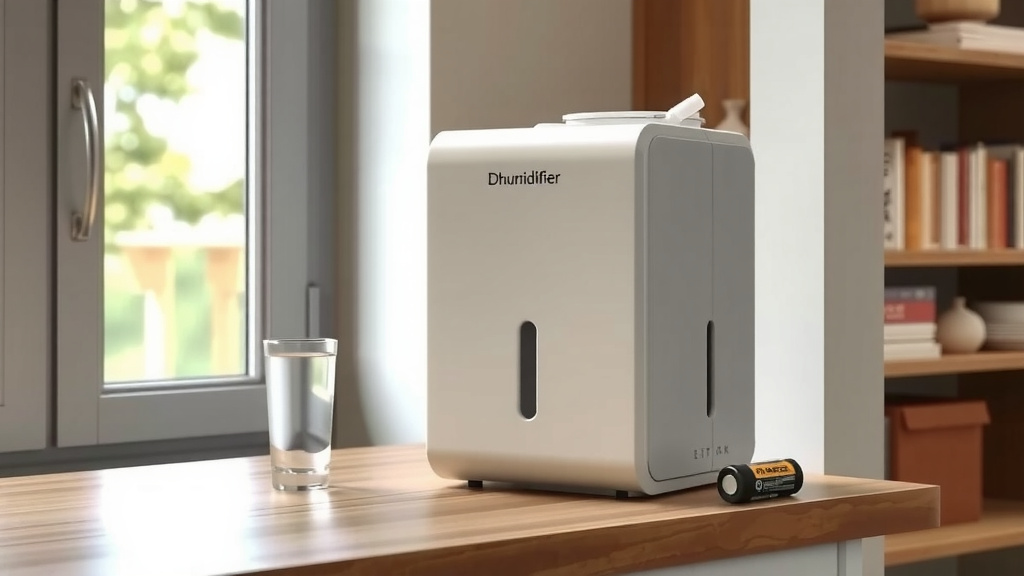
Dehumidifier condensate starts as water vapor from room air. As air passes over cold coils, liquid forms and drips into a bucket or drain line.
That process removes some particles from the air, but it does not sterilize the water.
What is dehumidifier water, really?
Dehumidifier water is condensed water vapor, not purified drinking water. It has very low mineral content, similar to distilled water, because minerals do not evaporate with the vapor.
Clear does not mean clean. Coils, buckets, hoses, and room air can add bacteria, mold spores, dust, and metal particles.
A unit in a damp basement can collect more contaminants than a unit in a dry bedroom. Our guide on whether you can reuse water from a dehumidifier explains the broader limits, and a toilet flush is one of the least risky uses.
Can you pour dehumidifier water into the toilet bowl safely?
You can pour dehumidifier water into the toilet bowl for a single flush when you want to save tap water. Pour it directly into the bowl, not into the tank, so it pushes waste toward the trapway without sitting in the tank.
Use fresh condensate, not water stored for days in an open bucket. Old condensate gives microbes more time to grow and dust more time to settle.
Wash your hands after handling the bucket. Keep the bucket covered, empty it often, and rinse it with soap and water before refilling it for any reuse.
Why not drink dehumidifier water or use it in a battery?
The same water that is okay for one flush is not safe to drink and not a substitute for battery water. Drinking it risks stomach upset and exposure to microbes pulled from indoor air.
If you are tempted to drink it, read Can You Drink the Water from a Dehumidifier? first. Clear condensate is not potable.
For batteries, the risk is different but just as strict. Car and many household batteries need distilled or deionized water, and condensate can carry dissolved metals, dust, and microbes that shorten battery life.
That is why Can You Use Dehumidifier Water in a Battery? is worth checking. A toilet flush forgives impurities.
A battery does not.
Will dehumidifier water harm your toilet, tank parts, or septic system?
A single bowl pour will not harm porcelain, trapways, or sewer lines. The water carries no bleach, solvents, or abrasives that would attack ceramic or PVC.
Septic systems are also unlikely to notice one bucket of condensate. The volume is small compared with normal household waste, and the water carries no soap, grease, or solids.
The concern is not chemical damage. The concern is hygiene and habit.
If you pour contaminated water into the tank daily, you can introduce microbes to parts that are hard to clean.
Toilet tanks have flappers, fill valves, and overflow tubes that can trap biofilm. Porcelain bowls are easier to scrub.
That is another reason to use the bowl, not the tank.
Does a dehumidifier take water from the room or from the toilet?
A dehumidifier takes moisture from room air, not from a toilet, sink, or drain. It cannot pull water back from plumbing, and it does not create water from nothing.
This matters because some readers confuse condensate with sewage or graywater. Dehumidifier water never touches toilet waste unless you pour it there yourself.
The question Does a Dehumidifier Take Water from Toilet? covers that confusion in more detail. Short version: the unit collects vapor, and the bucket holds clean-looking liquid that still needs careful handling.
A dehumidifier removes moisture, which helps with musty odors and damp surfaces, as changing that balance is the job of a humidifier, explained in Do I Add Water to a Dehumidifier?.
How to pour dehumidifier water into the toilet bowl, step by step
Pour dehumidifier water into the toilet bowl slowly, after a normal flush or in place of one flush. Lift the seat, pour the bucket in a steady stream, and let the water carry waste through the trap.
Do not overfill the bowl. A standard bucket holds far more water than a toilet needs for one flush.
Use only what the bowl can accept without spilling onto the floor.
Flush right after pouring if waste is present. If the bowl is already clean, you can skip the flush and simply save the water for the next use.
Clean the bucket after each use. Rinse it, scrub away slime, and let it dry.
A dirty bucket defeats the purpose, because you reintroduce contaminants to fresh condensate.
How much water should you pour at once?
Pour one to two gallons at most, or just enough to fill the bowl to its normal water line. More than that risks overflow and wastes a resource you could use elsewhere.
If your bucket holds three or four gallons, split the pour across two flushes or two toilets. Never force a full bucket into a single bowl.
Should you pour it in the bowl or the tank?
Pour it in the bowl, not the tank. The bowl gives immediate flushing action and avoids long contact with rubber and plastic tank parts.
Tank pouring also dilutes the flush water and can leave residue on the flapper. Bowl pouring keeps the tank cleaner and uses the water where it does the most work.
What are the risks of reusing condensate around the home?
The main risks are microbial growth, mineral leaching, and false confidence. Mold and bacteria can grow in buckets, hoses, and drain lines, especially in warm rooms.
Metal coils can release trace metals into condensate over time. The amounts are usually small, but they are another reason not to use the water for drinking, cooking, or pet bowls.
False confidence is the sneakiest risk. Because the water looks clear, people use it for tasks that need clean water.
That includes drinking, brushing teeth, rinsing food, filling humidifiers, and washing skin.
Even for plants, condensate can be a poor choice. Low minerals can stress some plants, and microbes can harm seedlings.
Tap water or rainwater is a safer default for most houseplants.
When should you skip the toilet and empty the bucket normally?
Skip the toilet pour when the water smells musty, looks cloudy, or has sat in the bucket for more than a day. Those signs suggest microbial growth that you should not spread around the bathroom.
Also skip it if the bucket is moldy, the drain line is clogged, or the filter has not been changed in a long time. Clean the unit first, then decide if reuse makes sense.
If anyone in the home is immunocompromised, be extra cautious. When in doubt, empty the bucket into a utility sink, let it drain, and rinse the bucket.
How can moisture control products help you need less reuse?
Moisture control starts with reducing excess humidity before you need to manage condensate. A passive absorber can help in closets, garages, and storage areas where you do not want a powered unit.
The DampRid Moisture Absorber Hi-Capacity Bucket attracts and traps excess moisture and eliminates musty odors from damp areas. DampRid says the bucket uses Moisture Lock spill resistor technology with a sealed safety cover.
It suits basements, garages, crawlspaces, and storage rooms where stagnant air is a problem. You remove the plastic lid, expose the sealed safety cover, and discard the bucket once the crystals dissolve.
Who should choose the DampRid bucket?
Choose DampRid if you want passive moisture control without cords or emptying a tank. The bucket is fragrance free and made for fresher air in large spaces.
It is not a replacement for an electric dehumidifier in a very damp basement. It helps with odors and surface moisture, but it cannot match the water removal of a powered unit.
Who should choose the AprilAire 410 filter?
Choose the AprilAire 410 if you want whole-house air purification that traps dust and allergens before they settle as moisture-related grime.
AprilAire says the 410 removes up to 96% of dust, pollen, and common allergens. It fits AprilAire models 1410, 1610, 2410, 2416, and 3410, among others.
A cleaner air system will not make condensate safe to drink. It can reduce airborne particles, which may reduce what ends up in a bucket, but it does not sterilize water.
Who should choose the AprilAire 10 water panel?
Choose the AprilAire 10 if you want evaporative humidification for dry winter air, rather than dehumidification for damp summer air.
AprilAire says the Model 10 panel measures 9.5 in W x 9.75 in H x 1.75 in D and uses aluminum mesh with a porous ceramic-type coating. The maker recommends replacing the panel twice during the season.
That product helps balance humidity in dry months. It does not help you reuse condensate in summer, and it should not be confused with a dehumidifier filter.
What is the smartest way to handle dehumidifier water overall?
The smartest approach is use condensate once for a toilet flush or outdoor rinse, then clean the bucket and start fresh. Do not store it, drink it, or use it for batteries, food, or skin.
If your home has a floor drain, a utility sink, or a condensate pump, route the water there instead of carrying buckets. That saves effort and reduces spills.
For long-term moisture control, match the tool to the space. Use a powered dehumidifier for damp basements, a passive absorber for small storage areas, and whole-house filtration for allergen control.
If you pour dehumidifier water into the toilet bowl, do it fresh, in the bowl, and only once. For everything else, use tap water or distilled water as the task requires.
Frequently asked questions
Can I pour dehumidifier water into the toilet bowl every day?
You can do it for occasional flushes, but daily use adds little benefit and can spread contaminants into the bowl and tank. Use fresh water for routine flushing and reserve condensate for a single emergency flush when water supply is limited.
Will dehumidifier water damage a toilet or plumbing?
A small amount poured into the bowl is unlikely to damage porcelain or plumbing. The bigger concern is hygiene, because condensate can contain microbes from the air and unit.
Clean the bucket and toilet surfaces as you normally would after use.
Is dehumidifier water safe for plants or pets?
No. Dehumidifier water is low in minerals but not sterile, and it can carry mold spores, bacteria, and residues from coils or filters.
Do not use it for drinking for people or pets, and avoid it for sensitive plants or pet bowls.
What is a safer way to reuse dehumidifier water?
Safer reuse is limited to non-contact tasks such as flushing a toilet once, rinsing a driveway, or watering hardy outdoor plants away from food areas. Even then, use it fresh, avoid storing it for days, and do not use it for food, skin, or household appliances.