
How Many Hours a Day to Run Dehumidifier?
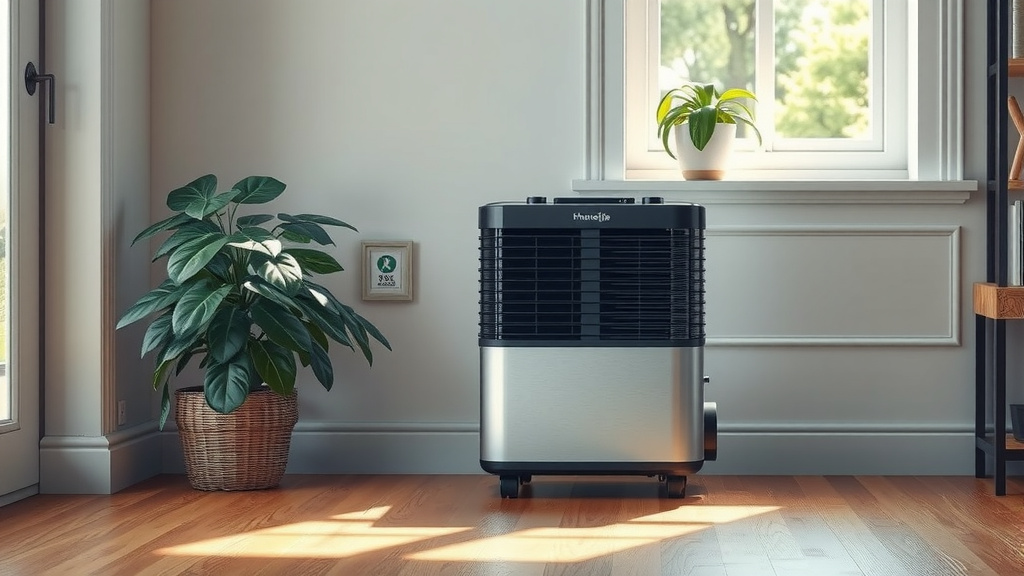
To effectively run a dehumidifier, aim for about 12 to 16 hours a day initially until your desired humidity level is reached. After achieving your target, you might only need to run your dehumidifier intermittently, perhaps 6 to 8 hours, or let its built-in humidistat manage its operation automatically.
Here’s a quick overview of what you’ll find:
- Begin with 12-16 hours daily for initial moisture reduction.
- Once stable, switch to intermittent use or humidistat control.
- Ideal humidity sits between 30% and 50% for comfort and health.
- Factors like climate, room size, and current humidity all influence run time.
- Listen to your dehumidifier and your home for best results.
How Many Hours a Day to Run Dehumidifier?
Generally, you should run your dehumidifier for 12 to 16 hours daily at first. This helps it catch up to the moisture in your air. Think of it like a quick start to a big job.
Once your home feels comfortable and reaches the right humidity, you can scale back. Most modern units have a smart humidistat that will do this for you. Your goal is to maintain that sweet spot of humidity, not over-dry the air.
Why Does My Home Feel Damp?
Dampness often comes from everyday activities inside your house. Cooking, showering, and even breathing all add moisture. Outside humidity also sneaks in through windows and cracks. It is a constant battle against moisture.
Excess humidity isn’t just uncomfortable; it can be a real problem. It promotes mold growth, attracts dust mites, and can even damage your belongings. Keeping it in check is vital for home health and comfort.
What’s the Ideal Indoor Humidity Level?
Most experts agree that an indoor humidity level between 30% and 50% is best. This range prevents mold and dust mites from thriving (CDC). It also feels good on your skin and in your lungs.
Going above 50% encourages issues, while falling below 30% can cause dry skin and static. Your dehumidifier’s job is to keep your home’s air perfectly balanced. It’s like a weather controller for your house.
Factors That Influence Dehumidifier Run Time
Several things affect how long your dehumidifier needs to run. These include your local climate, the size of the room, and the initial humidity level. Knowing these helps you set realistic expectations.
Consider how many people live in your home and how often you cook. These small details add up, impacting the overall moisture load. Each home has its unique humidity fingerprint.
Initial Humidity Levels
Is your basement a swamp or just a little muggy? A very damp area will need more initial run time. Your dehumidifier has to work harder to remove a large amount of moisture.
If you’re starting with extremely high humidity, say above 70%, it might run almost continuously. This is normal during the first few days. It’s essentially “catching up” to your home’s moisture content.
Room Size and Layout
A small bedroom won’t need as much power or time as a large open-plan living area. Larger spaces have more air to process. Your dehumidifier should be properly sized for the area it’s serving.
Open floor plans might also mean the dehumidifier tries to dehumidify more than just its immediate area. This can extend run times. Closed-off rooms are often easier to manage.
Climate and Season
Live in a humid climate? Your dehumidifier will naturally run more often, especially in summer. The outside air constantly tries to make its way inside. It’s an ongoing environmental battle.
During drier seasons, you might find you hardly need it at all. Seasonal changes play a big role in usage. Adjust your settings as the weather shifts.
Dehumidifier Capacity
A smaller, less powerful unit will need to run longer to achieve the same results. Bigger units work faster and more efficiently. Make sure your dehumidifier is rated for your space.
Using an undersized unit is like bringing a spoon to a shovel fight. It will eventually get the job done, but it will take much longer. Choosing the right capacity saves energy and time.
Understanding Your Dehumidifier’s Humidistat
Most modern dehumidifiers have a humidistat, like a thermostat for humidity. You set your desired humidity level, and the unit turns on and off automatically. This is the most efficient way to operate.
Set it to 45% or 50% and let it do its thing. It will sense the air and only run when needed. This saves energy and prevents your home from getting too dry. It’s like having a smart humidity manager.
When to Run Your Dehumidifier Continuously
There are times when continuous operation is necessary. If you’ve had a flood or a serious water leak, run it non-stop for a few days. This helps prevent lasting damage and mold. It’s a quick drying emergency protocol.
For very damp basements or crawl spaces, continuous running might be typical. This is especially true if you are just starting to dry out the area. Listen to your unit and observe its behavior.
Signs Your Dehumidifier is Running Too Much or Too Little
How do you know if you’re hitting the sweet spot? Look for visual cues and pay attention to how your home feels. Your senses are your best humidity indicators.
- Running Too Much:
- Air feels excessively dry, causing dry skin or static shocks.
- Wooden furniture or floors start to crack.
- The unit cycles on and off very frequently, or constantly runs without high humidity.
- Your energy bill is surprisingly high.
- Running Too Little:
- Musty odors persist, especially in basements.
- Condensation forms on windows or cold pipes.
- Mold spots appear on walls, ceilings, or fabrics.
- The air feels heavy, sticky, or humid.
Optimizing Dehumidifier Placement for Best Results
Where you put your dehumidifier matters. Place it in the dampest part of the room, away from walls. Allow for good airflow around the unit. This helps it pull in moisture effectively.
Avoid placing it in high-traffic areas where it might be bumped. Also, ensure the bucket is easy to access for emptying, or connect it to a drain if possible. Thoughtful placement makes a big operational difference.
Routine Maintenance for Efficient Dehumidifying
A well-maintained dehumidifier runs more efficiently and lasts longer. Regular cleaning prevents build-up that can hinder performance. It’s about caring for your investment.
Many experts suggest cleaning the air filter every few weeks, especially during heavy use (Energy Star). A clogged filter makes the unit work harder, using more energy. Keep it clean for peak performance.
Dehumidifier Maintenance Checklist
- Clean or replace the air filter regularly.
- Empty the water bucket frequently.
- Check the drainage hose for clogs (if applicable).
- Wipe down the exterior to remove dust.
- Inspect coils for frost or dirt buildup.
Common Humidity Scenarios and Run Times
Let’s look at some typical situations to give you a clearer picture. Keep in mind these are general guidelines. Every home has its own unique needs.
| Scenario | Initial Run Time (Daily) | Maintenance Run Time (Daily) |
|---|---|---|
| Very Damp Basement (>70% RH) | 20-24 hours | 10-16 hours or humidistat-controlled |
| Slightly Humid Room (60-70% RH) | 12-16 hours | 6-8 hours or humidistat-controlled |
| Maintaining Ideal Humidity (40-50% RH) | N/A (already optimized) | 4-6 hours or humidistat-controlled |
| After a Water Leak or Flood | 24 hours (for several days) | As needed until fully dry |
When to Consider Professional Help
Sometimes, a dehumidifier isn’t enough to solve a severe moisture problem. If you see extensive mold or suspect a major leak, it’s time to call in the pros. They can diagnose the root cause of the issue.
Don’t hesitate if you’re dealing with structural dampness or persistent musty odors. A professional can offer solutions beyond what a typical dehumidifier can handle. Your home’s health is always worth protecting.
Conclusion
Running a dehumidifier isn’t a one-size-fits-all situation; it’s a dynamic process. Start with 12 to 16 hours daily to bring down initial moisture levels. Then, let your unit’s humidistat take over to maintain an ideal 30-50% humidity. Remember, a dry home is a healthy home, free from mold and musty odors. Listen to your home, adjust as needed, and enjoy the comfort!
How do I know my dehumidifier is working correctly?
You’ll notice less condensation on windows, a reduction in musty odors, and a generally more comfortable, less sticky air feel. The water collection bucket will also gather water, confirming it’s pulling moisture from the air.
Can I run my dehumidifier 24/7?
While possible, it’s often not necessary once optimal humidity is reached, unless dealing with a significant water event like a flood. Running it constantly without a humidistat can over-dry your home, potentially damaging wood or causing discomfort.
How long does it take for a dehumidifier to start making a difference?
You should start to feel a noticeable difference in air quality and dryness within a few hours to a day. Visual signs like less window condensation might appear within 24-48 hours, depending on the room’s size and initial humidity.
Should I keep windows and doors closed when running a dehumidifier?
Yes, absolutely! For the most efficient operation, keep all windows and doors closed in the area where the dehumidifier is running. This prevents new humid air from entering, allowing the unit to focus on the existing moisture.
Is it okay to turn off my dehumidifier when I’m away?
If you’ll be away for an extended period, especially in a humid climate, it’s often better to leave it running on a humidistat setting or connected to a continuous drain. This prevents moisture buildup and potential mold growth while you’re gone, protecting your home.
