
How Many Gallons of Water Does a Dehumidifier Collect?
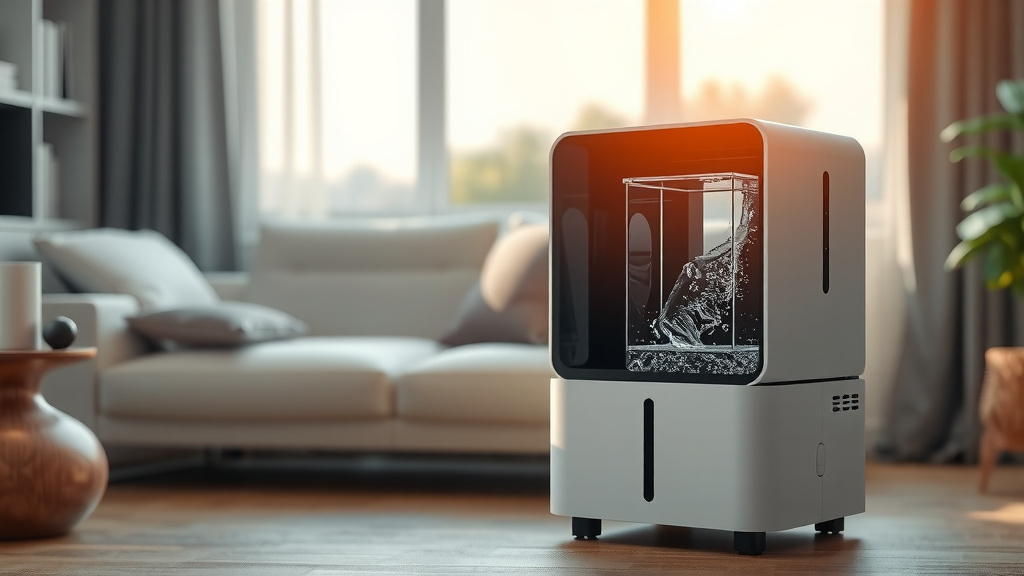
A dehumidifier collects varying amounts of water, typically ranging from 10 to 90 pints (or 1.25 to 11.25 gallons) per day, depending on its capacity and the moisture levels in your space.
The exact volume of water a dehumidifier extracts is influenced by factors like its pint rating, the size of the room, and how humid the environment is.
TL;DR: Here’s a quick summary of what you need to know about dehumidifier water collection:
- Dehumidifiers collect water based on their pint rating, usually 10-90 pints/day.
- Higher humidity and larger spaces mean more water collected.
- Factors like room size, temperature, and current humidity levels all play a role.
- Emptying frequency depends on the unit’s tank size and how much moisture it extracts.
How Many Gallons of Water Does a Dehumidifier Collect?
Your dehumidifier’s water collection varies significantly, but most residential units remove anywhere from 1.25 to 11.25 gallons of water per day. This amount depends largely on the unit’s capacity rating.
Think of it this way: a dehumidifier works like a magnet for moisture. The wetter your environment, the more water it will pull out. It’s truly amazing to see how much liquid can be hiding in your air!
Understanding Dehumidifier Capacity Ratings
When you look at dehumidifiers, you’ll see a pint rating. This number tells you how many pints of water the unit can collect in a 24-hour period under specific conditions (often 60% humidity and 80°F). It’s a standard measure across the industry.
For instance, a 50-pint dehumidifier is designed to remove 50 pints of water daily. This translates to about 6.25 gallons. Knowing this rating helps you choose the right size for your home.
Pints to Gallons Conversion Made Easy
Since one gallon equals eight pints, converting is straightforward. A 30-pint unit collects 3.75 gallons daily. A larger 70-pint model captures nearly 9 gallons. This simple math helps visualize the volume.
It’s always good to convert to gallons, as it’s a more familiar measurement for many. You might be surprised at how much water that really is!
Factors Influencing Water Collection Volume
So, why does your dehumidifier sometimes fill up fast and other times seem slower? Several key factors influence how much water it collects. It’s not just about the unit itself.
We found that understanding these variables helps you set realistic expectations. It also allows you to optimize your dehumidifier’s performance for maximum comfort.
Humidity Levels in Your Space
This is perhaps the biggest factor. If your home’s air is very humid, the dehumidifier will work harder and collect more water. Think of a rainy summer day versus a dry winter one.
A basement with 80% relative humidity will yield far more water than a living room at 60%. Research often connects high indoor humidity to increased collection rates (EPA guidelines).
Size of the Area Being Dehumidified
A larger room or an entire floor naturally holds more moisture. Consequently, a dehumidifier working in a spacious area will collect more water. It has more air to “clean.”
Many experts say that matching the unit’s capacity to the room size is essential. An undersized unit will run constantly but collect less than ideal amounts.
Temperature of the Room
Warmer air can hold more moisture than cooler air. This means a dehumidifier might collect more water in a warmer, humid environment. Consider your unconditioned attic in summer versus your cool basement.
However, extreme cold can cause frost buildup on coils, reducing efficiency. Finding the right balance is important for optimal performance.
Dehumidifier Capacity and Efficiency
A higher-capacity unit is designed to remove more moisture. A 50-pint dehumidifier will collect more water than a 30-pint model under the same conditions. It’s built for bigger jobs.
Newer, more efficient models also tend to perform better. They can extract more moisture with less energy. This means more water in the bucket and less money on your energy bill.
Average Daily Collection Rates
What can you realistically expect from your dehumidifier? It really depends on your specific situation. Here’s a general idea based on unit size:
| Dehumidifier Capacity (Pints/Day) | Approx. Gallons/Day Collected | Typical Room Size (Sq. Ft.) |
|---|---|---|
| 30 Pints | 3.75 Gallons | Up to 1,500 sq ft |
| 40 Pints | 5 Gallons | 1,500 – 2,000 sq ft |
| 50 Pints | 6.25 Gallons | 2,000 – 2,500 sq ft |
| 70 Pints | 8.75 Gallons | 2,500 – 3,000 sq ft |
| 90 Pints | 11.25 Gallons | Above 3,000 sq ft |
Remember, these are averages. Your actual results will vary. If your space is extremely damp, even a smaller unit might collect a surprising amount quickly.
When to Empty the Water Tank
How often you empty the tank depends on its size and how much water is being collected. Most units have a collection bucket ranging from 1 to 2 gallons in capacity.
If your 50-pint dehumidifier is collecting 6.25 gallons a day, and its tank holds 1.5 gallons, you’ll be emptying it about four times daily. This highlights the convenience of a drain hose.
Continuous Drainage Option
Many dehumidifiers offer a continuous drainage option. This means you can attach a hose and let the water drain directly into a floor drain or sink. It’s a real time-saver!
This feature is especially helpful in very humid environments where the tank fills quickly. It ensures uninterrupted operation, which is vital for effective moisture control.
Tips for Maximizing Water Collection
Want your dehumidifier to work its best and collect as much moisture as possible? Here are some simple tips to help you out:
- Keep doors and windows closed in the dehumidified area.
- Seal any cracks or leaks that allow outside humidity in.
- Ensure the air filter is clean for efficient airflow.
- Place the unit in the most humid part of the room.
- Consider running exhaust fans in bathrooms and kitchens.
These small actions can make a big difference. They help your dehumidifier focus on the indoor air. We found that a well-maintained unit performs much better.
When to Seek Professional Advice
If your dehumidifier isn’t collecting much water, even in a humid environment, it might need attention. Or perhaps you’re seeing signs of mold despite its operation.
Sometimes, a professional can assess your home’s unique humidity challenges. They can recommend the right solution, whether it’s a different dehumidifier or addressing a structural issue.
Signs of Excessive Humidity
How do you know if your home needs a dehumidifier working overtime? Look for these common signs:
- A musty or damp smell.
- Condensation on windows or cold surfaces.
- Peeling paint or wallpaper.
- Warps in wooden floors or furniture.
- Visible mold or mildew growth.
If you notice these, your home likely has too much moisture. An effective dehumidifier will help combat these issues. It creates a much healthier and more comfortable living space.
Conclusion
The amount of water a dehumidifier collects truly depends on a mix of factors. Your unit’s capacity, the humidity level, room size, and temperature all play a role in how many gallons it will pull from the air each day. While a 50-pint unit aims for 6.25 gallons, your actual results will vary. By understanding these dynamics and maintaining your unit, you can ensure your dehumidifier works efficiently to keep your home dry and comfortable. It’s all about creating a healthier indoor environment for you and your family.
How do I know what size dehumidifier I need?
To choose the right size dehumidifier, consider the square footage of the area you want to dehumidify and its current humidity level. For example, a 30-pint unit is good for up to 1,500 sq ft with moderate humidity, while a 70-pint unit suits larger, wetter spaces up to 3,000 sq ft. Experts often recommend checking sizing charts provided by manufacturers for precise guidance.
Is it normal for a dehumidifier to collect less water over time?
Yes, it can be normal for a dehumidifier to collect less water over time, especially as the humidity in your space decreases to your target level. If the room is already dry, there’s simply less moisture to remove. However, a significant drop in collection might indicate a dirty filter, frost buildup, or a mechanical issue with the unit itself, which might require troubleshooting.
Can I drink the water collected by a dehumidifier?
No, you should not drink the water collected by a dehumidifier. This water is condensate and can contain dust, mold spores, bacteria, and other impurities from the air. While it’s water, it’s not filtered or treated for consumption and could pose health risks if ingested. Always dispose of dehumidifier water safely.
How often should I clean my dehumidifier?
You should clean your dehumidifier regularly to maintain its efficiency and prevent mold growth. We found that cleaning the air filter every two weeks and washing the water bucket monthly is a good practice. Annually, a more thorough cleaning of the coils and exterior can help extend the unit’s lifespan and ensure optimal performance, as recommended by many maintenance guidelines.
Why does my dehumidifier run but collect no water?
If your dehumidifier runs but collects no water, several issues could be at play. The humidity level might already be low, or the room temperature might be too cold, causing ice to form on the coils. Other reasons could include a dirty filter restricting airflow, a full water bucket (if not on continuous drain), or a malfunction with the unit’s fan or refrigeration system. Checking these common culprits can often resolve the problem.
