Why Does My Dehumidifier Keep Tripping the GFCI Outlet?
On this page (3 sections)
Your dehumidifier tripping a GFCI outlet usually means there’s a ground fault or a short circuit. This safety feature is designed to protect you from electrical shock. It means the outlet detected an unusual path for electricity, often due to moisture or a faulty appliance.
This problem can be frustrating, especially when you need your dehumidifier working. We’ve researched common causes for this issue. Understanding why it happens is the first step to getting your unit back online safely. It’s often a sign that needs your attention.
- GFCI outlets trip for safety.
- Your dehumidifier might have a ground fault.
- Moisture is a common culprit.
- Appliance issues can also cause tripping.
Let’s walk through the most likely reasons your dehumidifier keeps tripping that GFCI outlet, and what you can do about it. Let’s walk through the most likely reasons your dehumidifier keeps tripping that GFCI outlet, and what you can do about it.
So, your dehumidifier is a bit of a diva, right? It keeps tripping that GFCI outlet, and you’re left wondering what’s going on. We get it. It’s frustrating when a device meant to make your home more comfortable causes a little electrical drama. But don’t worry, there are usually straightforward reasons for this. Let’s figure out why your dehumidifier is playing tag with the GFCI.
Troubleshooting Your Dehumidifier’s GFCI Outlet Issues
When a GFCI outlet trips, it’s essentially saying, “Hold on a second, something’s not right here!” This safety device is designed to cut power instantly if it detects an imbalance in the electrical current. This imbalance often points to electricity taking an unintended path – possibly through you! So, when your dehumidifier causes a trip, it’s a sign that needs attention.
Understanding GFCI Outlets and How They Work
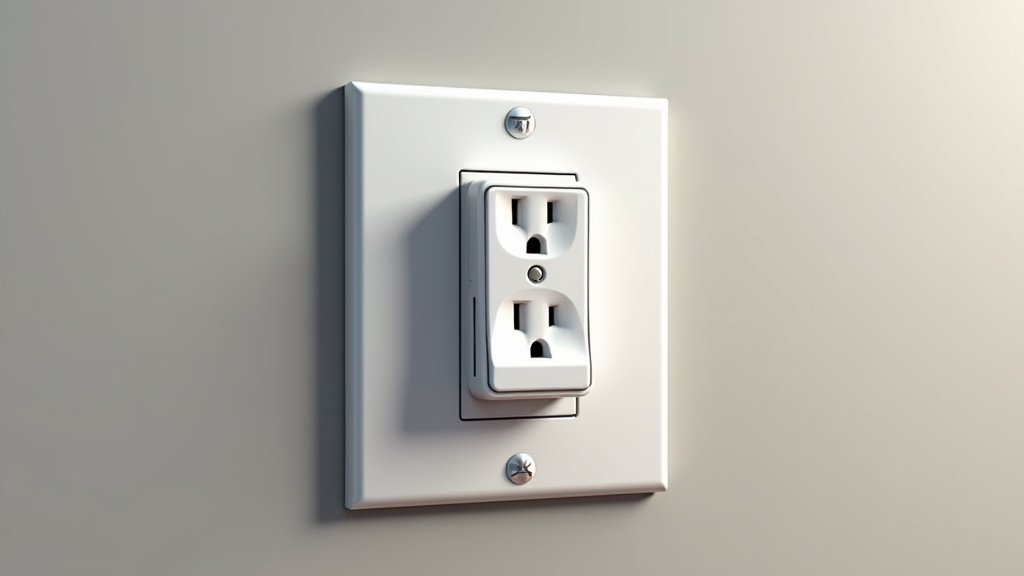
GFCI stands for Ground Fault Circuit Interrupter. Think of it as a tiny, super-sensitive watchdog for your electrical outlets. Its main job is to protect you from electric shock. It constantly monitors the amount of electricity flowing out on the “hot” wire and returning on the “neutral” wire. If even a tiny difference is detected, it means some electricity is leaking out – a ground fault. The GFCI then immediately shuts off the power. This is a crucial safety feature, especially in areas where water might be present, like bathrooms, kitchens, and basements.
The Most Common Culprits for Dehumidifier GFCI Trips
When your dehumidifier causes a GFCI to trip, it’s often due to a few common issues. The good news is, many of these can be fixed without calling in the cavalry. Let’s break down the most frequent reasons.
1. Moisture is the Sneaky Saboteur
Dehumidifiers, by their very nature, deal with moisture. Sometimes, that moisture can find its way into places it shouldn’t. We found that even a small amount of condensation or water buildup inside the unit or on its electrical components can trigger a GFCI. This is especially true if the dehumidifier is old or if its seals are compromised. Think of it like a tiny water leak in your car’s engine – it might not stop it immediately, but it’s definitely not good.
Where to look for moisture:
- Check the drip tray. Is it overflowing or cracked?
- Inspect the casing. Are there any visible signs of leaks?
- Feel around the vents. Is there condensation dripping out unexpectedly?
2. A Faulty Dehumidifier Unit Itself
Sometimes, the problem isn’t the outlet or the moisture in the air; it’s the dehumidifier’s internal wiring. Electrical components can wear out over time. We found that a damaged cord, a loose connection inside the unit, or a failing motor can all create the electrical imbalance that trips a GFCI. It’s like a worn-out shoe – it might still work for a while, but it’s not performing as it should and could cause issues.
What to inspect on the unit:
- Power Cord: Look for any nicks, cuts, or fraying. A damaged cord is a big red flag.
- Plugs: Ensure the plug is not bent or damaged.
- Internal Components (if comfortable): If you’re handy, you might be able to open up the unit (after unplugging it, of course!) to check for loose wires or signs of burnt components. However, if you’re not experienced with electronics, it’s best to leave this to a professional.
3. The GFCI Outlet Itself Might Be the Issue
It’s easy to blame the appliance, but sometimes the GFCI outlet is the one causing the drama. GFCI outlets have a lifespan, and they can fail. We found that an aging or faulty GFCI outlet might become overly sensitive and trip even when there’s no real ground fault. It could be like a smoke detector that goes off every time you cook toast – it’s just too sensitive.
How to test your GFCI:
Most GFCI outlets have “Test” and “Reset” buttons. You can test it by pressing the “Test” button. It should click and the power to the outlet should cut off. Then, press the “Reset” button to restore power. If it doesn’t trip or reset properly, the outlet itself might need replacing. Many electrical safety guidelines recommend testing GFCIs monthly (National Electrical Code).
4. Overloaded Circuit or Shared Outlets
Dehumidifiers can draw a significant amount of power, especially when they first start up. If the breaker trips too, see our guide to dehumidifier breaker trips. If you have other high-draw appliances plugged into the same circuit as your dehumidifier, you might be overloading the circuit. This can cause the GFCI to trip as a protective measure, even if there’s no specific ground fault. It’s like trying to run a marathon on a diet of only popcorn – you’re just not getting enough consistent energy.
What to consider:
- Are other power-hungry devices on the same circuit? Think refrigerators, space heaters, hair dryers, or microwaves.
- Is your dehumidifier plugged into an extension cord? Extension cords can sometimes contribute to voltage drops or become a point of failure.
- We found that many manufacturers recommend plugging dehumidifiers directly into a GFCI outlet without sharing the circuit.
5. Extreme Temperature or Humidity Levels
While dehumidifiers are designed to work in various conditions, extreme temperatures or humidity levels can sometimes push them (and their electrical components) to their limit. Very cold temperatures can cause condensation to form more readily, and excessively high humidity can strain the unit. This increased moisture or strain could lead to that pesky GFCI trip. Think of it like a car engine overheating on a scorching summer day – the conditions are just too much. Very cold temperatures can cause condensation to form more readily, and excessively high humidity can strain the unit, especially in extreme temperatures.
Steps You Can Take to Resolve the Tripping
Now that we’ve explored the possible culprits, let’s look at what you can do. The goal is to get your dehumidifier running smoothly and safely again.
1. Dry It Out and Reset Everything
First things first, unplug your dehumidifier. Then, carefully dry any visible moisture around the unit and the outlet. Check the drip tray and empty it if necessary. Make sure the power cord is completely dry. After ensuring everything is dry, try resetting the GFCI outlet. Plug the dehumidifier back in and see if it runs. This simple drying step often resolves moisture-related trips.
2. Test the GFCI Outlet Itself
As mentioned earlier, test your GFCI outlet using its “Test” and “Reset” buttons. If it doesn’t work correctly, it’s likely the outlet that needs replacing. Replacing a GFCI outlet is a common DIY task for many homeowners, but if you’re not comfortable with electrical work, it’s best to call a qualified electrician.
3. Inspect the Dehumidifier’s Power Cord and Plug
Give the power cord a thorough visual inspection. Are there any signs of damage? If the cord is frayed, cut, or showing exposed wires, do NOT use the dehumidifier. The cord will need to be replaced, or the unit may need professional repair. If the plug seems damaged, it might also require replacement.
4. Try a Different GFCI Outlet
If you have another GFCI outlet in your home, try plugging your dehumidifier into that one. This is a great way to determine if the issue is with the specific outlet or the dehumidifier itself. If it works fine in another outlet, you know the original outlet is likely the problem. If it trips the second GFCI outlet, the problem is almost certainly with the dehumidifier unit.
5. Simplify the Circuit
To rule out an overloaded circuit, try plugging your dehumidifier into a GFCI outlet that has nothing else connected to it. Make sure no other major appliances are running on the same circuit breaker. If the dehumidifier runs without tripping the GFCI, you’ll need to rethink where you plug it in or consider consulting an electrician about your home’s wiring capacity.
6. Consult the Dehumidifier’s Manual or Manufacturer
Your dehumidifier’s user manual is a treasure trove of information. It often has a troubleshooting section that specifically addresses electrical issues. If you can’t find the answer there, contacting the manufacturer’s customer support is a good next step. They might be aware of common issues with your specific model.
When to Call a Professional Electrician
While many of these issues are DIY-friendly, there are times when professional help is essential. If you’ve tried the above steps and the problem persists, or if you’re uncomfortable performing any electrical checks, it’s time to call in an expert. An electrician can safely diagnose wiring problems, test circuits, and ensure your home’s electrical system is up to code. We found that ignoring persistent electrical issues can lead to bigger, more dangerous problems down the line.
Call an electrician if:
- The GFCI outlet itself needs replacement and you’re not comfortable doing it.
- You suspect internal wiring issues with the dehumidifier but aren’t experienced with appliance repair.
- You notice any burning smells or sparks.
- Multiple outlets in your home are tripping.
- You’ve tried everything else, and the dehumidifier still trips the GFCI.
Dehumidifier GFCI Tripping: A Quick Checklist
Before you dive deep into troubleshooting, run through this quick checklist to identify the most probable cause:
- Is the dehumidifier cord dry and undamaged?
- Is the GFCI outlet functioning properly (test button works)?
- Is there any visible water or condensation around the unit or outlet?
- Are other high-power devices running on the same circuit?
- Has the dehumidifier been moved recently or exposed to extreme conditions?
Addressing these basic points can often point you in the right direction without too much hassle.
Conclusion
We’ve walked through why your dehumidifier might be causing your GFCI outlet to trip. Remember, that GFCI is your friend, designed to keep you safe from electrical hazards. Most often, the culprit is simple: a bit of moisture finding its way into the unit, a worn-out power cord, or perhaps an overloaded circuit. Sometimes, the outlet itself might just be getting old and needs replacing.
Your next step should be to systematically check the simplest causes first. Always ensure the unit and its cord are dry, test your GFCI outlet, and then inspect the cord for damage. If you’re still scratching your head, it’s always wise to consult your manual or a professional electrician to ensure your home’s safety.
Frequently Asked Questions
How often should I test my GFCI outlets?
Most electrical safety guidelines, including those from the National Electrical Code, recommend testing GFCI outlets monthly. This simple test ensures the safety device is functioning correctly and ready to protect you in case of a ground fault.
Can I use an extension cord with my dehumidifier?
We found that many dehumidifier manufacturers strongly advise against using extension cords. They can sometimes cause voltage drops or become a point of failure, which might contribute to GFCI trips. It’s best to plug your dehumidifier directly into a GFCI-protected outlet.
What if my dehumidifier is old, does that matter?
Yes, the age of your dehumidifier can matter. Older units may have worn electrical components, compromised seals that allow moisture to leak, or a less efficient motor, all of which could increase the likelihood of tripping a GFCI outlet.
Is it safe to reset a GFCI outlet multiple times?
While you can reset a GFCI outlet, doing so repeatedly suggests an underlying problem that isn’t being resolved. If the outlet keeps tripping, it’s a signal that something needs attention – either with the appliance or the outlet itself. Continuous resetting without fixing the cause isn’t recommended for safety.
What’s the difference between a GFCI and a regular circuit breaker?
A regular circuit breaker protects against overloads and short circuits, preventing fires. A GFCI, on the other hand, detects tiny imbalances in current flow, meaning electricity is leaking from the circuit, and can prevent electrical shock to people. They serve different, but equally important, safety functions in your home.