How Long Can a Dehumidifier Hose Be?
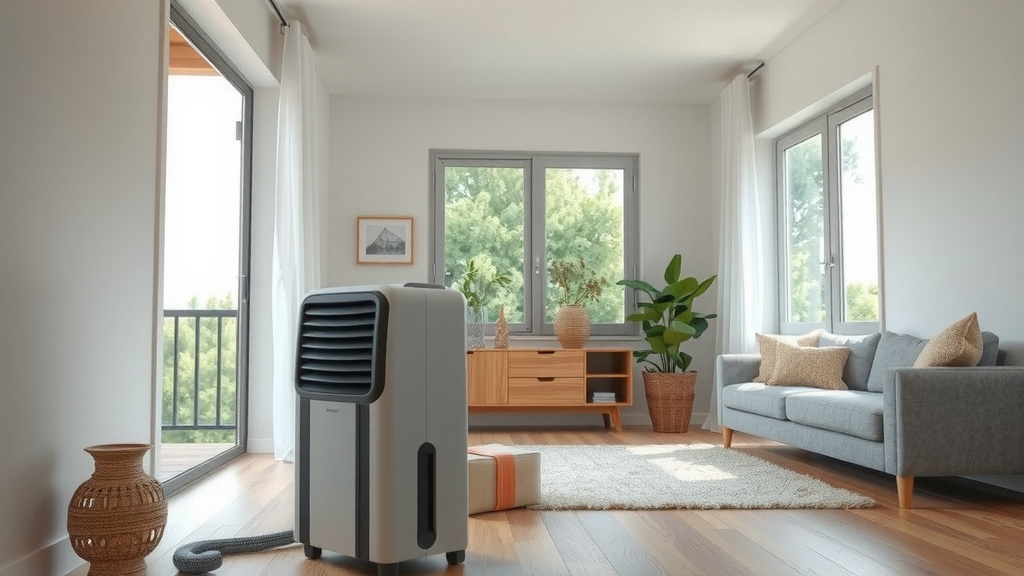
A dehumidifier hose can typically be 6 to 20 feet long for standard gravity drainage, though specialized pumps allow for much longer distances, potentially reaching over 50 feet.
The optimal length for your dehumidifier hose depends on your unit’s pump strength, the drainage method (gravity vs. pump), and the vertical lift needed to reach a drain.
- The ideal dehumidifier hose length balances efficient water removal with avoiding common drainage problems.
- Most standard dehumidifiers rely on gravity, limiting hose length to prevent water from backing up.
- External or built-in pumps significantly extend possible hose lengths, offering more placement flexibility.
- Too long a hose can cause clogs, leaks, and strain your dehumidifier, leading to less efficient operation.
- Proper installation, including good slope for gravity drains, is key no matter the hose length.
How Long Can a Dehumidifier Hose Be?
When you connect a dehumidifier to a hose for continuous drainage, you are looking for convenience. Generally, a hose between 6 and 20 feet works well for most home setups.
This range is often ideal for routing water to a nearby sink or floor drain. The key is understanding your dehumidifier’s capabilities and your specific drainage needs.
Why Hose Length Matters
Getting the right hose length is more important than you might think. It prevents water from pooling around your unit and keeps your home drier. We found that choosing an appropriate length can also extend the life of your dehumidifier by reducing strain.
A hose that’s too short won’t reach your drain, while one that’s too long can create other issues. Think of it like a garden hose; you need just enough to do the job right.
What Influences Hose Length?
Several factors play a big part in determining how long your hose can safely be. The most significant factors are your dehumidifier’s drainage system and the type of hose you choose.
Whether your unit uses gravity or a pump changes everything. We also consider the height difference to the drain and any obstacles in the path.
The Standard Dehumidifier Hose
Most dehumidifiers come with a simple gravity drain option. This means water flows out using the natural pull of gravity. For these units, the hose needs a consistent downward slope to work.
The standard hoses are usually made of plastic or vinyl and are around 5/8 inches in diameter. We found that most manufacturers suggest keeping these hoses to a practical length, often under 20 feet, to ensure good flow.
| Drainage Method | Typical Hose Length | Key Considerations |
|---|---|---|
| Gravity Drain | 6-20 feet | Must have constant downward slope, no kinks |
| Internal Pump | Up to 15-20 feet horizontally, 15 feet vertically | Offers more flexibility, pushes water up |
| External Pump | Up to 50+ feet horizontally, 20+ feet vertically | Maximum flexibility, purchased separately |
When You Need More Reach
What if your drain isn’t close by? Or what if it’s elevated, like a sink, while your dehumidifier is in the basement? This is when a standard gravity hose just won’t cut it.
Many units today come with an internal pump, or you can add an external one. These pumps are like tiny water movers, pushing collected moisture over longer distances and even uphill. This offers much more flexibility for placement (NIH).
Can You Extend a Dehumidifier Hose?
Yes, you certainly can extend a dehumidifier hose. You will need to use connectors and an additional length of hose. However, you should not just add length blindly.
Always consider the impact on your unit’s pump and overall efficiency. Many experts say that too many connections can also lead to potential leaks. We found it’s better to use one long, continuous hose when possible.
Risks of Too Long a Hose
While extending your hose offers flexibility, there are downsides. A hose that’s too long can become a hassle. It could lead to reduced efficiency and potential water damage.
Imagine a very long straw; it takes more effort to pull liquid through it. The same principle applies here. We found some common problems with oversized hoses:
- Reduced drainage speed: Water flows slower, potentially causing backups.
- Increased wear on the pump: The pump works harder, shortening its lifespan.
- Kinks and clogs: Longer hoses are more prone to bending or collecting debris.
- Potential for leaks: More connections mean more chances for drips and puddles.
Avoiding Common Mistakes
To keep things running smoothly, avoid a few common pitfalls. Do not place the dehumidifier too far from the drain, especially with gravity setups. Make sure the hose always slopes downwards without any dips or rises.
We found that using a hose with too small a diameter can also restrict flow. Always match the hose size to your dehumidifier’s outlet. A little planning saves a lot of trouble.
Choosing the Right Hose Material
The material of your dehumidifier hose matters for its durability and performance. Most standard hoses are vinyl or plastic, which are fine for typical use. But if you need something more robust, consider reinforced options.
Some hoses are made with braided reinforcement, making them more resistant to kinks and crushing. This can be especially helpful if the hose runs through an area where it might get stepped on or compressed.
Installation Tips for Longer Hoses
When installing a longer hose, whether for gravity or pump drainage, a few tricks can help. For gravity drains, use a level to ensure a consistent downward slope. You want a gentle decline all the way to the drain.
Secure the hose along its path to prevent accidental tugs or kinks. We found that using cable ties or hose clamps can keep it neat and secure. For pump systems, ensure the pump’s vertical lift capacity meets your needs (CDC).
Dehumidifier Placement and Drainage
Where you place your dehumidifier significantly impacts your hose length needs. If you put it near a floor drain, a short gravity hose might be perfect. In a basement without a floor drain, you might need a pump to reach a utility sink.
Consider the room’s layout before you even buy the dehumidifier. Planning ahead helps you choose the right unit and avoids headaches with hose routing later. We often recommend sketching out a plan.
Gravity Versus Pump Drainage
This is a critical distinction. Gravity drainage is simpler and usually quieter. It relies entirely on physics. As long as the drain is lower than the dehumidifier’s outlet, water will flow.
Pump drainage, on the other hand, actively pushes water out. This means you can run the hose uphill, over longer distances, or into an elevated sink. Many people prefer pump models for their ultimate flexibility in placement.
Maintenance for Continuous Drainage
Even with the perfect hose length and installation, a little maintenance goes a long way. Regularly check your hose for any signs of wear, cracks, or blockages. Algae or mineral deposits can build up over time.
A quick inspection every few months can prevent bigger issues down the line. We often find that neglecting these small checks leads to unexpected leaks. Keep your drainage system clear and functional.
Here’s a quick checklist for keeping your hose in top shape:
- Inspect the entire hose for kinks or damage.
- Check the connection points for tightness and leaks.
- Ensure the hose maintains its downward slope (for gravity drains).
- Look inside the hose for any signs of mold, mildew, or debris.
- Clear the drain opening where the hose empties.
Conclusion
Choosing the right dehumidifier hose length is a simple step that has a big impact on your home’s comfort. Whether you use a short gravity hose or a longer pump-driven system, understanding the principles helps you make smart choices. A well-planned drainage setup keeps your dehumidifier working efficiently, preventing moisture problems and protecting your space. It’s all about balancing convenience with smart installation practices.
How do I prevent my dehumidifier hose from kinking?
To prevent kinks, use a hose made from a more rigid material or one with braided reinforcement. Avoid sharp bends in the hose’s path and secure it along straight runs with clips or ties. Ensuring the hose has enough slack without being excessively long also helps.
Can I use a regular garden hose for my dehumidifier?
Yes, many dehumidifiers are designed to accept a standard garden hose (5/8 inch). The connection type is often compatible. Just make sure it creates a tight, leak-proof seal and that the hose is clean and free of any garden debris.
What if my dehumidifier hose drains uphill?
If your dehumidifier hose needs to drain uphill, you must use a unit with a built-in pump or add an external condensate pump. Gravity drainage simply won’t work in this situation, as water cannot flow against gravity on its own.
How often should I clean my dehumidifier hose?
We recommend inspecting and cleaning your dehumidifier hose at least once every three to six months, especially if you live in a humid environment. Look for mold, mildew, or mineral buildup. A simple solution of warm water and a little vinegar can help flush it out.
Will a longer hose reduce my dehumidifier’s efficiency?
A longer hose, particularly with a gravity drain, can reduce efficiency if not properly sloped or if it causes excessive back pressure. For pump models, a hose that is too long or has too much vertical lift can make the pump work harder, potentially shortening its lifespan and increasing energy use. Stick to the recommended lengths for optimal performance.