
Does Dehumidifier Reduce Electric Bills?
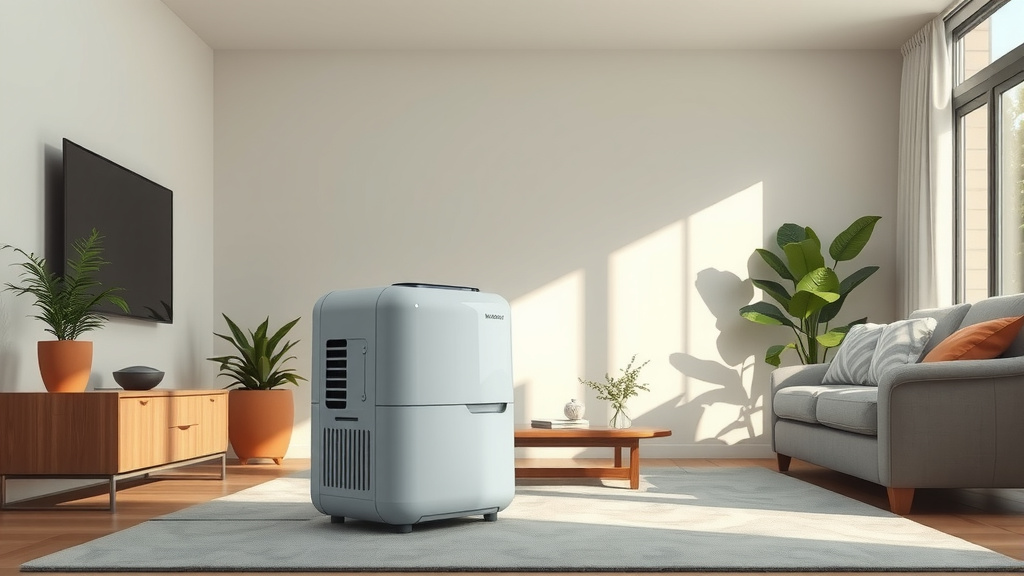
A dehumidifier itself uses electricity, so it will add to your electric bill directly.
However, by reducing humidity, a dehumidifier can make your home feel cooler, allowing you to set your air conditioner higher and potentially lower your overall electric bill.
- Dehumidifiers use power, increasing your direct electric bill.
- They make your home feel cooler by removing moisture.
- This comfort means you can raise your AC thermostat.
- Higher AC settings often lead to lower total energy usage.
- So, while the dehumidifier adds cost, it can reduce AC costs.
Does Dehumidifier Reduce Electric Bills?
A dehumidifier operates by consuming electricity, directly adding to your utility costs. Yet, by making your indoor air feel less muggy, it helps you use less air conditioning.
Understanding How Dehumidifiers Use Energy
Think of a dehumidifier like a small refrigerator. It pulls in humid air and removes moisture. This process requires energy, similar to your fridge running constantly.
The amount of electricity used depends on the unit’s size, its efficiency rating, and how often it runs. A bigger unit or one running more hours will naturally use more power.
The Science of Comfort: Humidity and Temperature
High humidity makes you feel hotter than the actual air temperature. It’s like wearing a wet blanket on a warm day. Your body cannot cool itself through evaporation as effectively.
When you lower humidity, your body’s natural cooling system works better. This means you feel comfortable at a slightly warmer air temperature. It’s a trick of physics, not magic.
Indirect Savings: Your Air Conditioner’s Best Friend
Your air conditioner has two jobs. It cools the air, and it removes humidity. The humidity removal part often requires a lot of energy.
When a dehumidifier handles the moisture, your AC can focus purely on cooling. This allows your air conditioner to run less frequently or at a higher temperature setting.
When Your AC Works Harder Than It Should
An air conditioner working in a very humid environment struggles. It has to pull out gallons of water from the air. This extra work uses a lot of electricity.
Many experts say that every degree you raise your thermostat can save you 3-5% on cooling costs (Department of Energy). A dehumidifier makes raising that thermostat feel good.
The Energy Cost of Humidity: A Quick Look
Let’s consider the energy consumption of typical home appliances. A standard dehumidifier uses power, but often less than a continually running AC unit trying to beat high humidity.
We found that dehumidifiers range from 300 to 700 watts. This can translate to noticeable operational costs if used constantly without AC adjustments.
| Appliance | Average Wattage | Energy Impact |
|---|---|---|
| Dehumidifier (small) | 300-400W | Adds to bill directly. |
| Dehumidifier (large) | 500-700W | Higher direct cost. |
| Central AC | 3000-5000W | Major energy user, especially with high humidity. |
| Window AC | 500-1500W | Significant energy use. |
Factors Affecting Your Dehumidifier’s Energy Use
Several things change how much power your dehumidifier uses. The size of your space matters. A small unit in a large room will run non-stop, wasting energy.
The initial humidity level and your target humidity setting also play a role. If your home is very damp, the unit will work harder to bring levels down.
Even the outside weather affects it. Very muggy days mean more moisture entering your home. This gives your dehumidifier more work to do.
Choosing an Energy-Efficient Dehumidifier
Selecting the right dehumidifier is key to saving money. Not all units are created equal. Some models are designed to use much less power for the same amount of moisture removal.
You want a unit that matches your room size. An oversized dehumidifier might short-cycle, turning off and on too frequently. An undersized one will run constantly without achieving optimal results.
Energy Star Ratings Matter
When you see an Energy Star label, it means the product meets strict energy efficiency guidelines set by the EPA. These dehumidifiers use about 15% less energy than conventional models.
Investing in an Energy Star certified unit can mean noticeable savings over its lifetime. It’s a smart choice for both your wallet and the environment.
Optimizing Dehumidifier Use for Savings
You can get the most out of your dehumidifier without breaking the bank. A little planning goes a long way. Are you running it correctly?
Setting the right humidity target is crucial. Most experts suggest aiming for 45-50% relative humidity for optimal comfort and health benefits (Mayo Clinic).
- Close windows and doors: Prevent humid outdoor air from entering.
- Clean filters regularly: Dirty filters reduce efficiency and increase energy use.
- Use the built-in humidistat: Set it and let the unit manage humidity automatically.
- Empty the water bucket often: Or use continuous drainage if available.
- Place it strategically: Put it in the dampest areas first, like basements or bathrooms.
- Consider a timer: Run it during off-peak electricity hours if your utility offers them.
Ideal Humidity Levels for Comfort and Efficiency
Maintaining indoor humidity between 40-50% offers the best balance. This range feels comfortable, discourages mold growth, and helps keep utility bills in check.
Going too low (below 30%) can cause dry skin, static electricity, and damage to wood furnishings. It also makes your dehumidifier work harder than necessary.
Comparing Dehumidifier Costs vs. AC Savings
The goal is a net reduction in your overall electric bill. A dehumidifier’s cost needs to be offset by reduced AC use. This trade-off often proves favorable in humid climates.
Many homeowners in damp regions find the slight increase from the dehumidifier is far less than the savings achieved by raising their AC thermostat. It is about total energy spend.
What Research Says About Energy Savings
Research often connects proper humidity control with significant energy efficiency. We found that homes with high humidity often spend more on cooling, regardless of thermostat settings.
Many energy audits suggest that managing humidity effectively is a key step to lower energy consumption (EPA). It’s about working smarter, not harder, for your cooling system.
Conclusion
While a dehumidifier does add to your electric bill directly, its ability to reduce perceived temperature can lead to substantial indirect savings on your air conditioning costs. By making your home feel cooler, it lets your AC relax a bit. Choosing an Energy Star model and using it smartly will help you achieve a more comfortable home without unnecessary expense. Ultimately, you are trading one energy cost for a potentially larger saving elsewhere.
Does a dehumidifier use more electricity than an air conditioner?
Typically, a dehumidifier uses less electricity than a central air conditioner. Air conditioners are designed to cool large spaces and often have much higher wattage ratings. A dehumidifier focuses primarily on moisture removal.
How much does it cost to run a dehumidifier for a month?
The cost varies based on the unit’s wattage, how many hours it runs, and your local electricity rates. A rough estimate might be $15-$40 per month for continuous use, but this can fluctuate widely.
Can I run a dehumidifier and AC at the same time?
Yes, you can run them together, and it’s often recommended in very humid conditions. The dehumidifier removes moisture, making the AC’s cooling job easier and more efficient. This can result in greater comfort and potential overall energy savings.
At what humidity level should I turn on my dehumidifier?
You should consider turning on your dehumidifier when indoor humidity levels consistently exceed 50%. This level helps prevent mold growth, reduces allergens, and makes your home feel more comfortable.
Will running a dehumidifier make my house feel colder?
A dehumidifier doesn’t directly cool the air; in fact, its operation can slightly warm the air. However, by removing moisture, it makes the air feel much drier and less muggy, which can create a sensation of being cooler and more comfortable.
