
How Many Watts Does a 30 Pint Dehumidifier Use?
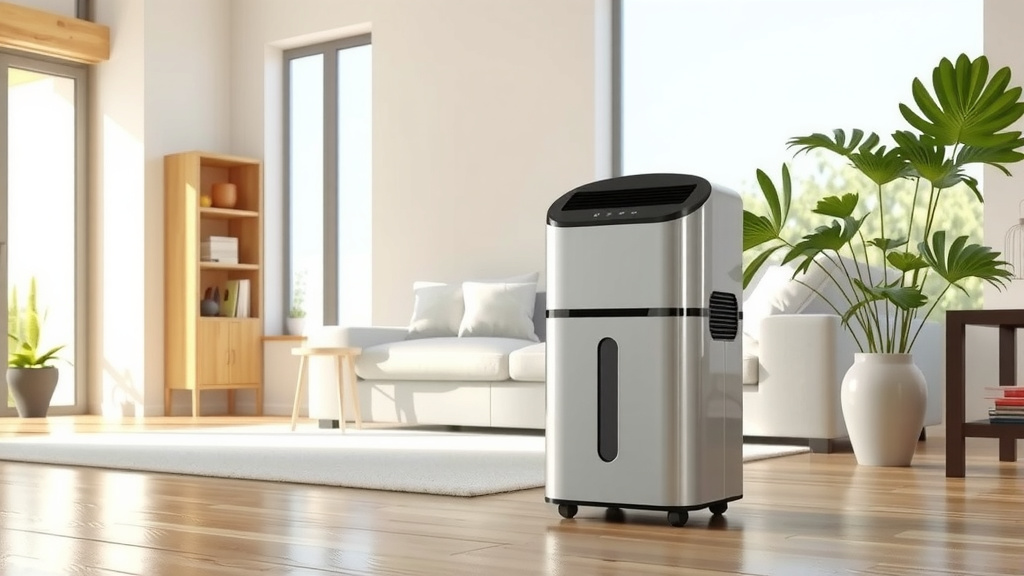
A 30-pint dehumidifier typically uses between 200 and 400 watts when actively running, though this can vary based on its efficiency and operating conditions.
Most models fall into this range, drawing power comparable to a few light bulbs or a small television, making their energy consumption quite manageable.
- Your 30-pint dehumidifier will likely use 200 to 400 watts while it’s working.
- Several factors, like room humidity and unit settings, influence this number.
- Energy Star certified models are more efficient and can save you money.
- Calculating running costs helps you understand its impact on your electricity bill.
- Smart usage and proper maintenance can lower energy consumption significantly.
How Many Watts Does a 30 Pint Dehumidifier Use?
Generally, a 30-pint dehumidifier consumes between 200 to 400 watts of electricity when it’s actively pulling moisture from the air. This range gives you a good idea of its typical power demand.
The Core of Your Dehumidifier’s Power Use
When we talk about watts, we’re simply measuring how much electrical power your dehumidifier needs to operate. Think of it like a car’s horsepower; more watts mean more power is being drawn from your home’s electrical system.
This power is primarily used to run two main components: the compressor and the fan. The compressor cools coils to condense water, while the fan moves air over those coils, completing the dehumidifying process.
Average Wattage for a 30-Pint Unit
While 200-400 watts is a common range, actual usage depends on the model and its settings. Some older units might use a bit more, while newer, highly efficient models can sometimes operate at the lower end of this spectrum.
It’s always a good idea to check the specific wattage listed on your unit’s label or in its owner’s manual. This label usually provides the exact electrical specifications for your particular device.
| Setting | Typical Wattage (Approx.) | Energy Impact |
|---|---|---|
| Low Fan Speed | 200-250 Watts | Lower energy use, quieter |
| Medium Fan Speed | 250-320 Watts | Moderate energy use |
| High Fan Speed | 320-400+ Watts | Higher energy use, faster drying |
Why Does Wattage Matter for You?
Understanding wattage helps you manage your home’s electricity usage and costs. Every watt your dehumidifier uses contributes to your electricity bill, so knowing the numbers helps you plan your budget. It’s about being a smart energy consumer.
Think of it this way: a higher wattage appliance will add more to your monthly bill than a lower wattage one, assuming both run for the same amount of time. It’s like knowing your car’s fuel efficiency; it helps you predict your gas costs.
What Impacts Your Dehumidifier’s Energy Use?
Several things can influence how many watts your 30-pint dehumidifier pulls. It’s not just a fixed number, but a dynamic one that responds to its environment and how you use it.
Your Home’s Humidity Level
When the air is very damp, your dehumidifier has to work harder to remove moisture. This means its compressor runs more frequently and for longer periods, naturally increasing its wattage consumption.
Imagine trying to dry a soaking wet towel versus a slightly damp one. The soaking wet towel takes more effort, right? Your dehumidifier works similarly when tackling high humidity levels.
Room Size and Insulation
A 30-pint unit is designed for specific room sizes, typically up to 1,500 square feet in moderately damp conditions (Energy Star). If you put it in a much larger or poorly insulated space, it will struggle. It will run longer and at higher wattage settings, trying to keep up.
Poor insulation can also mean more humid air leaks into the space, forcing the unit to run constantly. Keeping windows and doors shut helps your dehumidifier work more efficiently and effectively.
Dehumidifier Settings and Fan Speed
Running your unit on a higher fan speed or a lower humidity setting (like 30% instead of 50%) will make it work harder. This extra effort translates directly into higher wattage usage.
Just like turning up the AC makes your car use more gas, turning up your dehumidifier’s fan or lowering the humidity target uses more electricity. Finding the right balance for comfort and efficiency is key.
Unit Age and Maintenance
Older dehumidifiers often become less efficient over time. Their components can wear out, and they might have to consume more power to achieve the same results as when they were new. Regular cleaning helps a lot.
A dirty air filter, for instance, restricts airflow, forcing the fan to work harder, which boosts wattage. Keeping your unit clean ensures it operates closer to its peak efficiency (Mayo Clinic).
Calculating Your Dehumidifier’s Running Cost
To figure out what your dehumidifier adds to your bill, you need two things: its wattage and your electricity rate. First, convert watts to kilowatts (divide watts by 1,000). Then, multiply kilowatts by the hours it runs per day, and then by your electricity cost per kWh.
For example, a 300-watt unit running 12 hours a day: (300 / 1000) kW * 12 hours * $0.15/kWh = $0.54 per day. This simple math helps you see the daily financial impact.
Looking for Energy-Efficient Options?
When shopping, look for the Energy Star label. This certification means the dehumidifier meets strict energy efficiency guidelines set by the EPA. Energy Star units typically use less energy than conventional models, saving you money over time.
We found that Energy Star models are designed to use at least 15% less energy than standard models (Energy Star). This difference can really add up, especially if your dehumidifier runs frequently.
Smart Ways to Reduce Your Energy Bill
You can take simple steps to lower your dehumidifier’s power consumption. It’s all about creating an environment where the unit doesn’t have to work so hard. These tips can make a noticeable difference in your costs.
- Seal leaks: Close windows and doors tightly.
- Use it wisely: Only run the dehumidifier when needed.
- Clean filters: Check and clean the air filter monthly.
- Set a reasonable humidity: Aim for 45-50% relative humidity.
- Empty the bucket: Don’t let it overflow or shut off automatically.
- Consider location: Place it away from walls for better airflow.
Understanding Your Dehumidifier’s “Pint” Rating
The “pint” rating, like 30-pint, refers to how much moisture the unit can remove from the air in a 24-hour period under specific test conditions. A 30-pint unit removes 30 pints of water, showing its capacity and power.
It’s important to match the pint rating to your room size and humidity level. A unit that’s too small will run constantly without achieving desired results, using more energy in the long run.
When a 30-Pint Dehumidifier is Right For You
A 30-pint dehumidifier is often perfect for small to medium-sized rooms, like a bedroom, office, or small basement. It’s ideal for spaces up to about 1,500 square feet with moderately damp conditions.
If you have a very large, extremely damp basement, you might need a higher capacity unit. But for everyday moisture control in typical living areas, a 30-pint model usually does a fantastic job.
The Big Picture: Why Bother with Humidity Control?
Controlling humidity isn’t just about comfort; it’s about protecting your health and your home. High humidity encourages mold growth, which can trigger allergies and asthma (CDC). It also damages wooden furniture, floors, and electronics, leading to costly repairs.
Keeping your home’s humidity between 40-60% is often recommended for both comfort and health. It creates a healthier environment and helps preserve your belongings, making your dehumidifier a wise investment (NIH).
Conclusion
Your 30-pint dehumidifier is a valuable tool for managing indoor humidity, typically using 200 to 400 watts of power. Understanding this wattage helps you appreciate its energy demands and manage your electricity costs effectively.
By choosing an Energy Star model, maintaining your unit, and using it strategically, you can keep your home comfortable and healthy without breaking the bank. Making informed choices empowers you to save money and enjoy a better living environment.
What factors most affect a 30-pint dehumidifier’s wattage?
The most significant factors are the actual humidity level in your room, the unit’s fan speed setting, its age, and how well you maintain it (like keeping the filter clean). Higher humidity or higher settings mean more work and more power used.
How much does it cost to run a 30-pint dehumidifier daily?
The daily cost depends on its exact wattage and your local electricity rate. For a 300-watt unit running 12 hours a day at $0.15/kWh, it would cost around $0.54 per day. You can perform a quick calculation to estimate your specific running cost.
Can a 30-pint dehumidifier make my room too dry?
Most modern 30-pint dehumidifiers have a built-in humidistat, which allows you to set a target humidity level (e.g., 45% or 50%). Once that level is reached, the unit will cycle off or run on fan-only mode, preventing the room from becoming overly dry.
Are all 30-pint dehumidifiers equally energy efficient?
No, not all 30-pint dehumidifiers are equally energy efficient. Models with an Energy Star certification are designed to be more efficient than those without. Always check for the Energy Star label when you’re looking to purchase a new unit.
How can I make my 30-pint dehumidifier run more efficiently?
To maximize efficiency, keep doors and windows closed in the area you are dehumidifying. Regularly clean the air filter, set the humidistat to a comfortable level (around 45-50%), and ensure the unit is placed away from walls for optimal airflow.
