
Are Hisense Dehumidifiers Reliable?
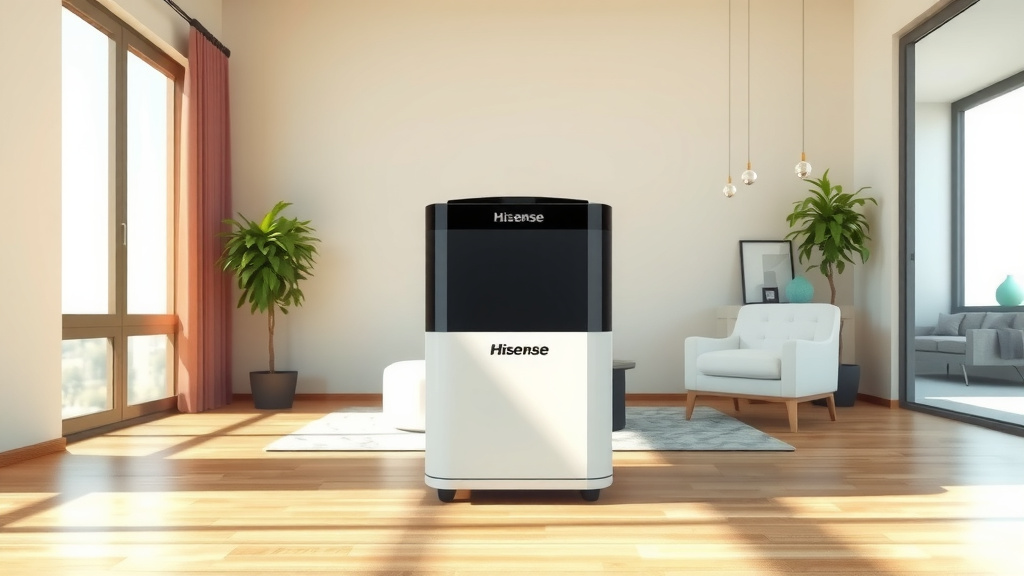
Yes, Hisense dehumidifiers are generally considered reliable, especially for their price point, offering good performance and solid features for common household humidity control needs. You can often count on them for effective moisture removal, though individual experiences may vary.
Many consumers find Hisense dehumidifiers to be a good value, providing dependable operation and decent longevity, making them a worthy contender when you need to tackle excess humidity.
- Hisense dehumidifiers offer good reliability for their cost.
- They perform well in removing moisture from most home environments.
- Many models include user-friendly features like digital controls and quiet operation.
- Expect reasonable longevity when maintained correctly.
- Customer support experiences can sometimes vary, but product performance is usually strong.
Are Hisense Dehumidifiers Reliable?
You’re looking for a dehumidifier that works, right? Hisense dehumidifiers often prove to be a reliable option for managing humidity in your home. We found that they strike a good balance between effective moisture removal and a fair price.
For many households, Hisense units offer the consistent performance you need without breaking your budget. They are built to do a specific job: make your air drier and more comfortable.
Understanding What Makes a Dehumidifier Reliable
When you think about reliability, what comes to mind? For a dehumidifier, it means it can consistently pull moisture from the air, last for a decent time, and operate without constant issues. It should do its job day in and day out.
A reliable unit also means you can trust its settings and features to work as advertised. You set it, and it just works, keeping your home healthier and more comfortable. We looked at many aspects to gauge this.
Hisense Dehumidifiers: The Good Points
Hisense models bring a lot to the table. We often see them praised for their strong moisture extraction capabilities. They don’t just sit there; they actively reduce humidity levels, which is the main goal.
Many units come with user-friendly controls, making them easy to set up and operate. You won’t need an engineering degree just to turn it on or adjust the settings. This simplicity adds to their appeal for everyday use.
Strong Moisture Removal
One of the top reasons people pick Hisense is their ability to really dry out a damp space. Research often shows these units effectively lower humidity, preventing mold and mildew growth (NIH). This is a big win for your home’s air quality.
Whether you have a damp basement or a humid living room, a Hisense unit can make a noticeable difference. You’ll feel the dryer air, and that musty smell will likely disappear.
User-Friendly Controls
Nobody wants a complicated gadget. Hisense often designs its dehumidifiers with straightforward digital controls. You can easily set your desired humidity level and forget about it.
Features like 24-hour timers and auto-restart functions add to the convenience. If the power goes out, the unit remembers your settings, which is one less thing for you to worry about.
Energy Efficiency Matters
Running a dehumidifier can add to your electricity bill, right? Many Hisense dehumidifiers are Energy Star certified. This means they meet strict guidelines for energy efficiency set by the EPA.
Choosing an Energy Star model can save you money on operating costs over its lifespan. It’s better for your wallet and good for the environment, too.
Common Concerns and What to Watch For
No product is perfect, and Hisense dehumidifiers are no exception. Some users report concerns about longevity, especially with heavy, continuous use. We found that like many appliances, their lifespan can vary.
Noise levels can also be a factor, particularly in smaller spaces. While many Hisense models are reasonably quiet, some find them noticeable when running at higher fan speeds.
Compressor Lifespan
The compressor is the heart of any dehumidifier. We found that the lifespan of a Hisense compressor is typically on par with other mid-range brands. Proper maintenance can certainly extend how long it lasts.
You can help your unit by cleaning the air filter regularly and making sure there is good airflow around the machine. Think of it like taking care of your car; regular checks make a big difference.
A Note on Noise
Do dehumidifiers make noise? Yes, they do. Hisense units are generally not the loudest, but they aren’t silent either. The sound level often depends on the fan speed and the model you pick.
If you plan to use it in a bedroom or quiet living area, you might want to look for models specifically advertised as “quiet” or “low noise.” It’s all about finding the right fit for your space.
Maintaining Your Investment
To keep your Hisense dehumidifier running reliably, a little care goes a long way. This isn’t just about Hisense; it applies to any brand.
- Clean the air filter regularly, usually every 2-4 weeks.
- Empty the water bucket often, or keep the drain hose clear.
- Make sure there’s enough space around the unit for air circulation.
- Store it properly during off-seasons, following the manual’s guide.
- Check the coils for dust buildup and gently clean them.
Hisense Dehumidifiers Compared
How do Hisense units stack up against other brands? Let’s look at a quick comparison to give you a clearer picture. This table simplifies the typical differences you might see.
| Feature | Hisense Dehumidifier (Typical) | Premium Brand (Typical) | Budget Brand (Typical) |
|---|---|---|---|
| Price Range | Mid-range ($180-$300) | Higher-end ($300-$500+) | Lower-end ($100-$180) |
| Moisture Removal | Very Good | Excellent | Good |
| Noise Level | Moderate | Often Quieter | Can be Louder |
| Features | Digital, Auto-shutoff, Timer | Advanced Wi-Fi, Smart Home Integration | Basic Controls |
| Warranty | 1-2 Years (Standard) | 2-5 Years (Often Better) | 1 Year (Basic) |
| Longevity | Good, with care | Often Excellent | Variable |
Who Should Consider a Hisense Dehumidifier?
If you’re someone who needs solid performance without a premium price tag, Hisense could be perfect for you. They are a smart choice for general home use, like in basements, laundry rooms, or living areas.
They are also a good fit if you appreciate straightforward controls and energy efficiency. You get a lot of bang for your buck, making humidity control accessible for many households.
Making Your Hisense Last Longer
You want your investment to last, right? Here’s a checklist to help your Hisense dehumidifier keep running smoothly for years:
- Regularly check and clean the air filter for optimal airflow.
- Empty the water bucket promptly or ensure continuous drainage works.
- Place the unit in a spot with at least 6-12 inches of space around it.
- Avoid using the unit in extremely cold temperatures, as it can freeze the coils.
- Store it upright in a dry place when not in use for extended periods.
- Inspect the power cord for any signs of damage occasionally.
What Do Users Say About Hisense Dehumidifiers?
We found that user reviews for Hisense dehumidifiers are generally positive. Many users praise the units for their effective humidity reduction and ease of use. People often comment on how quickly they can dry out a room.
Some common feedback also points to the quiet operation of many models, which is a big plus for living spaces. Of course, like any product, some users occasionally report issues, often related to specific unit malfunctions or customer service experiences.
Real-World Experiences
One common sentiment is that Hisense offers “great value for the money.” Many people report buying a Hisense unit and being pleasantly surprised by its performance compared to its cost. They appreciate getting a dependable appliance without overspending.
A few users might mention less-than-ideal experiences with customer support, which can happen with any brand. But overall, the product itself often meets or exceeds expectations for typical home use. Think of it like this: you’re getting a sturdy workhorse, not a fancy show pony.
The Verdict: Are Hisense Dehumidifiers a Smart Choice?
Considering everything, Hisense dehumidifiers are often a very smart choice for your home. They provide reliable performance and good features at a competitive price. You are getting a solid appliance built to tackle common humidity problems effectively.
For most residential needs, a Hisense unit will serve you well, keeping your air drier and more comfortable. They are a brand you can generally trust to deliver on their promise of humidity control.
Conclusion
When you ask if Hisense dehumidifiers are reliable, the answer is often a resounding yes. They stand out as a dependable and cost-effective option for controlling humidity in your home. With strong moisture removal, user-friendly features, and a commitment to energy efficiency, they often meet the mark for most households.
While you should always consider specific model features and user reviews, Hisense generally offers a good balance of performance and value. Keep up with simple maintenance, and your Hisense dehumidifier can be a reliable partner in creating a healthier, more comfortable living space for years to come.
How do Hisense dehumidifiers compare to more expensive brands?
Hisense dehumidifiers generally offer comparable moisture removal capabilities to more expensive brands, especially for basic functions. More premium brands might include extra features like smart home integration or quieter operation, but Hisense provides great value for common humidity needs.
What size Hisense dehumidifier do I need for my space?
The size of the Hisense dehumidifier you need depends on your room size and how damp it typically gets. For a slightly damp room (500 sq ft), a 30-pint unit might be fine. For very wet basements (1500-2000 sq ft), you might need a 50-pint or even 70-pint model. Always check the manufacturer’s recommendations for square footage.
Do Hisense dehumidifiers have a continuous drainage option?
Yes, most Hisense dehumidifiers include a continuous drainage option. This feature allows you to attach a standard garden hose to the unit, letting the water drain directly into a floor drain, sink, or pump, so you don’t have to empty the bucket manually.
How often should I clean the filter on my Hisense dehumidifier?
You should aim to clean the air filter on your Hisense dehumidifier every 2 to 4 weeks, or more often if you use it in a dusty environment. A clean filter ensures efficient operation, better air quality, and helps extend the life of your unit.
What should I do if my Hisense dehumidifier stops collecting water?
If your Hisense dehumidifier stops collecting water, first check if the water bucket is full or if the continuous drain hose is kinked or clogged. Also, ensure the filter is clean and the room temperature is within the operating range, as very cold temperatures can cause frost buildup. If these checks don’t help, consult the user manual for troubleshooting steps.
