
How to Get Rid of Musty Smell in Basement?
The easiest way to get rid of a musty smell in your basement is to find and eliminate the source of moisture. This usually involves improving ventilation, fixing leaks, and reducing humidity. A musty smell almost always indicates mold or mildew growth somewhere in your basement.
That damp, earthy odor often signals a hidden problem, not just a nuisance. Your basement’s unique environment makes it prone to moisture issues, leading to this unpleasant scent. We found that addressing these root causes is key to long-term freshness and a healthier home.
- Identify and fix moisture sources.
- Improve air circulation and ventilation.
- Clean affected surfaces thoroughly.
- Use dehumidifiers to control humidity.
- Consider professional help for stubborn issues.
Ready to reclaim your basement from that funky smell? Let’s walk through exactly how to do it, step by step, so you can enjoy a fresh and dry space.
Troubleshooting a Musty Basement Odor
You’re ready to tackle that unpleasant basement smell. The first step is always to identify what’s causing it. This common odor almost always points to moisture problems and mold or mildew growth. pinpointing the source helps you fix it for good.
Understanding the Source of Musty Smells
What exactly causes that earthy, damp smell? It’s primarily volatiles from microbial growth. Mold and mildew thrive in dark, damp environments. Your basement often provides the perfect conditions for them to flourish (Environmental Protection Agency).
These organisms consume organic matter and release gasses. It’s these gasses that create the characteristic musty odor you’re smelling. It’s not just an unpleasant smell; it often indicates unhealthy air quality.
Common Culprits: Where Does the Moisture Come From?
Moisture is the friend of mold. We found that basements face several unique challenges that bring unwanted water. Learning these helps you know where to look.
- Leaky pipes: Even a tiny drip can add significant moisture over time.
- Cracks in foundation: Water can seep in through walls or floors after rain.
- Poor drainage: Water pooling around your home’s exterior can push into the basement.
- High humidity: Naturally damp air, especially in summer, can condense on cool surfaces.
- Flooding: Past water incidents, even small ones, might not have been fully dried.
Each of these can contribute to a damp environment. And where there’s dampness, mold usually follows.
Your Action Plan: Fixing Moisture Issues
Once you suspect moisture, it’s time to act. Addressing the moisture source is your most critical step. Skipping this means the smell will always return.
Inspect for Leaks and Water Intrusion
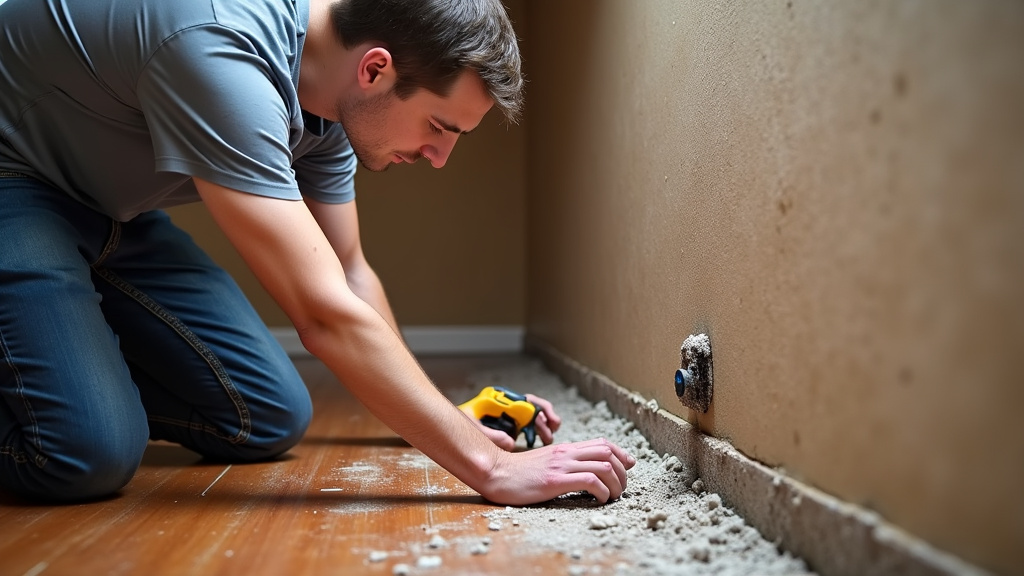
Start your detective work by carefully looking for visible dampness. Check walls, floors, and the ceiling. We recommend doing this after heavy rain to see obvious issues.
- Look for water stains on walls or floors. This could be a sign of a leaking foundation.
- Inspect all plumbing pipes. Even small drips from a pipe or valve can be a continuous source.
- Check around windows and doors for signs of water entry. Poor sealing can allow rain inside.
- Examine the exterior of your home. Are gutters clean? Do downspouts direct water away from the foundation? If water pools near your house, it will likely find its way in.
Repair any leaks you find promptly. A simple caulk or pipe repair can often make a big difference.
Improve Basement Ventilation
Stagnant air holds moisture. Improving air circulation helps dry out your basement and reduce humidity. We found this is a powerful yet often overlooked step.
- Open windows and doors when the outdoor humidity is lower than inside.
- Use exhaust fans to pull damp air out. If you have a bathroom or laundry area, make sure these fans are working.
- Place fans strategically to circulate air. Point them towards damp areas to aid drying.
Constant air movement discourages mold growth. It’s like giving your basement a breath of fresh air.
Dehumidifiers: Your Best Friend Against Humidity
In many basements, high ambient humidity is the main culprit. A dehumidifier actively removes moisture from the air. Consider this a must-have tool for a dry, fresh basement.
| Dehumidifier Type | Best For | Key Benefit |
|---|---|---|
| Compressor Dehumidifier | Typical basements (cool, damp) | Energy efficient in cooler temps |
| Desiccant Dehumidifier | Very cold basements (below 40°F) | Works well in low temperatures |
| Whole-House System | Large basements, entire home humidity control | Integrated, central control |
Choose a unit with adequate capacity for your basement size. An ENERGY STAR® rated model can also save you money on electricity. Empty the water reservoir regularly, or opt for a model with a continuous drain option.
Cleaning Up: Eliminating Mold and Mildew
Once you’ve stopped the moisture, you need to clean up any existing mold or mildew. Remember, the musty smell comes directly from these fungi. Cleaning them away removes the odor source.
Safety First: Protecting Yourself While Cleaning
Before you start scrubbing, protect yourself. Disturbing mold can release spores into the air. We always recommend these precautions:
- Wear gloves to protect your skin.
- Use eye protection to keep spores out of your eyes.
- Wear an N95 respirator mask. This prevents you from inhaling spores (CDC).
- Ensure good ventilation in the area you are cleaning.
These simple steps help keep you safe and healthy during the cleaning process.
Effective Cleaning Solutions for Mold and Mildew
You don’t need harsh chemicals for most mold jobs. Simple household products are often very effective. For non-porous surfaces like concrete or sealed wood, we found these work well:
- White Vinegar: Undiluted white vinegar is a great natural mold killer. Spray it on the mold, let it sit for an hour, then scrub and rinse.
- Hydrogen Peroxide: A 3% solution can kill mold. Spray it on, wait 10 minutes, then scrub.
- Baking Soda: Mix with water to form a paste. Apply, let dry, then scrub off. It also helps absorb odors.
- Mild Detergent and Water: For general surface cleaning, a simple mix usually suffices. Always rinse thoroughly after.
For porous materials like drywall or insulation, cleaning might not be enough. These items often need to be removed and replaced if heavily contaminated. Mold roots deep into these materials.
Ongoing Prevention for a Fresh Basement
A fresh basement today means taking steps to keep it that way tomorrow. Prevention is much easier than remediation. We’ve learned that a few habits can make a huge difference.
Monitor Humidity Levels
Invest in a hygrometer. This simple device measures indoor humidity. Aim to keep your basement humidity between 30% and 50% (Mayo Clinic). This range is too dry for mold to thrive.
If you see the humidity rising, kick on your dehumidifier. This proactive approach helps you stay ahead of potential problems. It’s like a quick check-up for your air.
Regular Inspection and Maintenance
Make it a habit to periodically check your basement. Look and sniff around for any signs of returning moisture or odor. Catching issues early saves you time and trouble.
- Check pipes and foundation walls a couple of times a year.
- Ensure your dehumidifier is running smoothly and emptying.
- Look for condensation on cold pipes or windows.
- Keep your basement clutter-free to allow for better airflow and easier inspection.
A little attention goes a long way in keeping your basement inviting and odor-free.
When to Call the Professionals
Sometimes, the job is bigger than a weekend DIY project. Don’t hesitate to call for expert help. We found that recognizing when you’re out of your depth is a sign of wisdom.
- You have extensive mold growth (over 10 square feet) or visible mold on structural components.
- You suspect a structural issue causing water intrusion that you can’t fix.
- The musty smell returns quickly despite your best efforts.
- You or family members experience health issues tied to mold exposure.
- There has been significant water damage, like continuous flooding.
Professional mold remediation companies have specialized equipment. They can safely remove large amounts of mold and address underlying structural problems. They can also perform air quality tests to ensure your basement is truly clean.
It’s an investment in your home’s health and your peace of mind. A clean, dry basement is a better basement for everyone.
Conclusion
You now have a clear roadmap to a fresh, odor-free basement. By identifying and eliminating moisture sources, improving ventilation, and tackling mold and mildew head-on, you’re not just getting rid of a smell—you’re creating a healthier living space. Remember, consistent monitoring and maintenance are key to long-term success. Your efforts will transform your basement from a musty nuisance into a truly pleasant part of your home.
Frequently Asked Questions
Is a musty smell in the basement always mold?
Almost always, yes. A musty smell is a strong indicator of microbial volatile organic compounds (MVOCs) released by mold or mildew growth. While not all mold is visible, the smell is a tell-tale sign that it’s present somewhere in your environment.
Can a musty smell affect my health?
Yes, prolonged exposure to mold and its associated odors can impact your health. It can trigger allergies, asthma symptoms, and respiratory irritation in sensitive individuals. Eliminating the smell helps improve your indoor air quality and overall well-being.
How quickly can a dehumidifier remove the smell?
A dehumidifier starts working immediately to pull moisture from the air, which is crucial for stopping mold growth. However, the smell itself will typically fade over several days or weeks as existing mold dries out and you clean affected surfaces.
Will air fresheners or candles eliminate the musty smell?
No, air fresheners or candles only mask the musty smell temporarily. They don’t address the root cause, which is moisture and mold. For a lasting solution, you need to fix the moisture problem and clean any existing mold.
What if the smell returns after I’ve cleaned everything?
If the musty smell returns, it indicates that the moisture source hasn’t been fully identified or eliminated, or there’s hidden mold you missed. Re-inspect your basement thoroughly, focusing on persistent damp spots, or consider consulting a professional to pinpoint the issue.
