
How Much Does a Home Dehumidifier Cost?
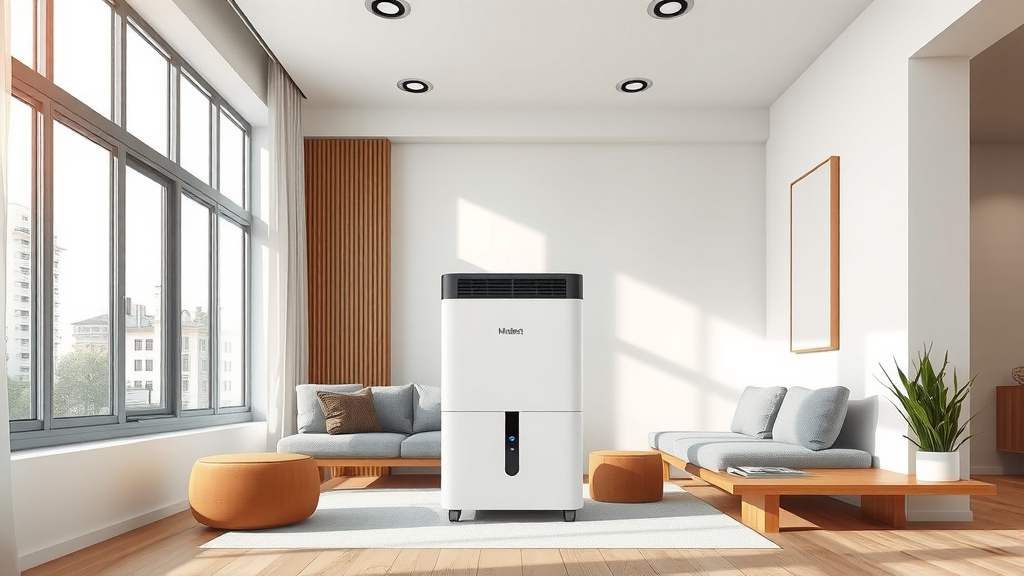
A home dehumidifier can cost anywhere from $150 to $3,000 or more, depending on its type, size, features, and installation requirements. The most common portable models typically fall between $150 and $400.
The overall cost for a home dehumidifier will also depend on whether you choose a small portable unit or a whole-house system, with the latter needing professional installation.
- Portable dehumidifiers are often the most budget-friendly, costing $150-$400, perfect for single rooms or damp basements.
- Whole-house systems offer complete home humidity control but require professional installation, pushing costs to $1,200-$3,000+.
- Operating costs, mainly electricity, can add $30-$80 monthly, depending on your model and local rates.
- Factors like unit capacity, brand reputation, and special features significantly influence the final price tag.
How Much Does a Home Dehumidifier Cost?
Understanding the cost of a home dehumidifier means looking at different options. You’ll find a wide range of prices, from smaller, simple units to robust whole-house systems. The choice you make impacts both your wallet upfront and your comfort later.
Portable Dehumidifier Costs
Most people start their search with portable dehumidifiers. These units are versatile and generally the most affordable. They are great for managing humidity in specific areas like a damp basement or a humid bedroom.
Entry-Level Portable Units
For smaller rooms or occasional use, you might find an entry-level portable dehumidifier for around $150 to $250. These models are typically smaller in capacity, perfect for spaces up to 500 square feet. They are easy to move around your home.
Mid-Range Portable Dehumidifiers
If you need more power for a larger basement or living area, expect to pay between $250 and $400. These mid-range units often cover 1,000 to 2,000 square feet. They might come with features like continuous drainage options or digital controls.
High-Capacity Portable Dehumidifiers
Larger portable units, designed for very damp basements or garages, can cost $400 to $700. These powerful machines handle significant moisture problems. They often include advanced features and larger water buckets.
Whole-House Dehumidifier System Costs
For comprehensive home humidity control, a whole-house dehumidifier is the solution. These systems integrate directly with your HVAC setup. They are ideal if you live in a consistently humid climate.
Unit Cost for Whole-House Systems
The unit itself for a whole-house dehumidifier typically costs between $1,200 and $2,000. These are built to manage humidity across your entire home. Many experts recommend these for optimal comfort (EPA).
Whole-House Installation Expenses
Installation is a significant part of the total cost for whole-house units. Professional installation can add another $800 to $1,500 or more to the price. This covers labor, ductwork modifications, and electrical work. Total costs often range from $2,000 to $3,500.
Dehumidifier Costs by Location and Type
Different areas of your home often need specialized dehumidifier types. This can also affect the price.
Basement Dehumidifier Pricing
Basement units often need to be more robust due to higher humidity levels. You can find specialized basement dehumidifiers for $300 to $800. These often have higher pint capacities and can operate at lower temperatures.
Crawl Space Dehumidifier Costs
Crawl space dehumidifiers are designed for tough, damp environments. They are typically sealed and more durable. Expect to pay $800 to $1,500 for these specialized units. Installation might also add costs if the space is hard to access.
Operating Costs of a Home Dehumidifier
The price tag isn’t the only cost. Running a dehumidifier uses electricity. This can be a noticeable addition to your monthly utility bill.
Most dehumidifiers use a fair amount of energy. We found that the operating costs can range from $30 to $80 per month, depending on your unit’s efficiency and how often it runs. Higher capacity units or those running constantly will cost more to power.
Factors Influencing Dehumidifier Prices
Several things can make one dehumidifier more expensive than another. Knowing these helps you decide if a higher price is worth it for your needs.
- Capacity (Pints): Higher pint capacity units, which remove more moisture, usually cost more.
- Brand Reputation: Well-known brands with strong warranties often have higher prices.
- Special Features: Things like smart controls, continuous drainage, or built-in pumps add to the cost.
- Energy Efficiency: Energy Star certified models might cost more upfront but save money on electricity over time.
- Technology Type: Refrigerant models are common, but desiccant models (better in cold) can be pricier.
Comparing Dehumidifier Types and Costs
Let’s look at a quick comparison to help you visualize the cost differences.
| Dehumidifier Type | Average Cost Range | Ideal Use |
|---|---|---|
| Portable (Small) | $150 – $250 | Single room, small office |
| Portable (Mid-Large) | $250 – $700 | Basements, larger living areas |
| Basement/Crawl Space | $300 – $1,500 | Damp, hard-to-reach areas |
| Whole-House (Unit Only) | $1,200 – $2,000 | Entire home via HVAC |
| Whole-House (Installed) | $2,000 – $3,500+ | Complete home solution |
Is a Dehumidifier Worth the Cost?
You might be wondering if this investment is truly beneficial. The answer for many homes is a resounding yes. Controlling humidity brings several advantages that go beyond just comfort.
Health Benefits
High humidity fosters mold growth and dust mites. Both can trigger allergies and asthma symptoms. A dehumidifier helps reduce these airborne irritants (CDC). This means clearer breathing and fewer sniffles for your family.
Property Protection
Excess moisture can damage your home’s structure. It can warp wood floors, peel paint, and cause musty odors. A dehumidifier helps protect your valuable property from costly moisture-related damage.
Enhanced Comfort
A humid environment feels sticky and warmer than it is. Lowering the humidity makes your home feel cooler and more comfortable. This might even allow you to set your AC a bit higher, saving energy there too.
Tips for Choosing the Right Dehumidifier on a Budget
Finding a balance between cost and effectiveness is key. Here are some quick tips to help you make a smart purchase.
- Assess Your Needs: Do you need to treat one room or your whole house?
- Check Capacity: Match the unit’s pint capacity to your room size and humidity level.
- Look for Energy Star: These models are more efficient and will save you money on electricity.
- Consider Features: Do you really need a pump or smart features? Prioritize what matters most.
- Read Reviews: Learn from other buyers’ experiences about performance and durability.
Your Dehumidifier Buying Checklist
Before you commit, run through this quick checklist to ensure you’re making the best decision for your home and budget.
- What is the exact square footage of the area you need to dehumidify?
- What are your current typical humidity levels (you can use a hygrometer)?
- Do you want a portable unit or a permanent whole-house system?
- Are you looking for specific features like Wi-Fi connectivity or a built-in pump?
- What is your budget for both the initial purchase and long-term energy costs?
- How often do you anticipate needing to run the dehumidifier throughout the year?
Conclusion
Deciding on a home dehumidifier involves weighing upfront costs against long-term benefits and operating expenses. Whether you choose an affordable portable unit for targeted relief or invest in a whole-house system for comprehensive control, the goal remains the same: a drier, more comfortable, and healthier living space. By understanding the various price points and factors, you can make an informed choice that suits both your home’s needs and your financial plan. A little research now can save you big in comfort and potential repairs down the road.
What is the most energy-efficient type of dehumidifier?
Energy Star certified dehumidifiers are the most energy-efficient models on the market. They use less electricity to remove the same amount of moisture, leading to lower operating costs over time. Look for the Energy Star label when shopping.
How do I know what size dehumidifier I need?
You determine the size by the square footage of the area you want to dehumidify and its current humidity level. A 30-pint unit is good for 1,500 square feet with moderate dampness, while a 70-pint unit is better for very damp 2,500 square feet. Checking manufacturer guidelines for room sizes is always a good idea.
Can a dehumidifier replace an air conditioner?
No, a dehumidifier cannot replace an air conditioner. While a dehumidifier removes moisture, making the air feel cooler, it does not actively lower the air temperature. An air conditioner both cools the air and removes some humidity. They serve different primary functions, though a dehumidifier can make your AC feel more effective.
What are common maintenance costs for a dehumidifier?
Maintenance costs for a dehumidifier are typically low. The main task is regularly cleaning or replacing the air filter, which might cost $10-$30 annually for replacement filters. For whole-house units, professional servicing as part of your HVAC maintenance might cost more, but it’s usually minimal for portable units.
When is the best time to buy a dehumidifier?
The best time to buy a dehumidifier is often during the off-season, such as late fall or winter, when demand is lower. You might find sales or clearance events during these times. However, if your home needs one urgently, waiting isn’t always practical for your health or property.
