
Are Humidifiers and Dehumidifiers the Same Thing?
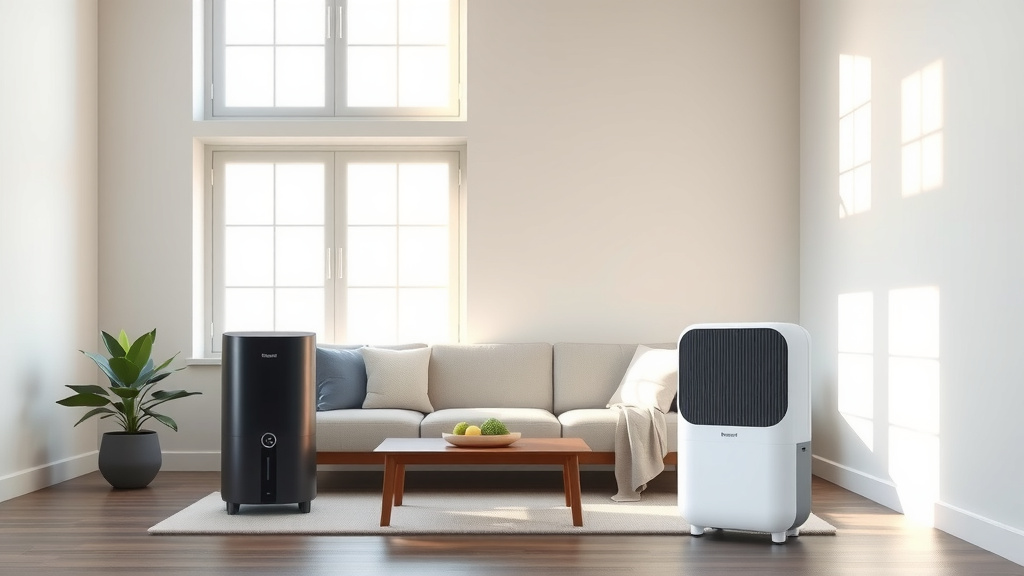
No, humidifiers and dehumidifiers are not the same thing; they perform opposite functions to manage indoor air moisture. While a dehumidifier removes excess moisture from the air, a humidifier adds moisture, helping you maintain a comfortable and healthy indoor environment.
Understanding their distinct roles is key to creating a balanced home atmosphere, especially when dealing with issues like dry skin, mold growth, or breathing discomfort. You’ll choose one based on whether your home needs more or less humidity.
- TL;DR:
- Humidifiers add moisture to dry air, easing symptoms like dry skin and coughs.
- Dehumidifiers remove excess moisture, preventing mold, mildew, and musty odors.
- They are opposite devices used for different environmental needs in your home.
- Choose a humidifier for low humidity and a dehumidifier for high humidity.
- Both aim to achieve optimal indoor relative humidity, typically between 30% and 50%.
Are Humidifiers and Dehumidifiers the Same Thing?
Absolutely not! Humidifiers and dehumidifiers are designed to tackle two completely different humidity problems in your home. Think of them as two sides of the same coin, each solving an opposite challenge.
What Does a Humidifier Do for Your Home?
A humidifier is your best friend when the air in your home feels too dry. It works by adding moisture back into the atmosphere. This can be super helpful during cold, dry winter months.
Many experts say that maintaining adequate indoor humidity can help with various discomforts (Mayo Clinic). You might feel less dry skin, enjoy a more comfortable throat, and even experience fewer static shocks.
What Does a Dehumidifier Do for Your Home?
On the flip side, a dehumidifier steps in when your indoor air has too much moisture. Its main job is to pull excess humidity out of the air. This collected water is then stored in a tank that you empty regularly.
We found that high humidity can lead to several problems, including mold growth and dust mites. A dehumidifier helps keep your home drier, cleaner, and much more comfortable.
The Impact of Humidity on Your Home and Health
The right level of humidity makes a big difference to both your living space and your well-being. Have you ever noticed how different the air feels in various seasons?
Getting the balance right is crucial. Too much or too little moisture can affect everything from your breathing to the very structure of your house.
When Do You Need a Humidifier?
You probably need a humidifier if your home’s air feels excessively dry. This often happens in winter when heating systems dry out the air. Low humidity can lead to several annoying issues.
We’ve heard people mention persistent dry skin, chapped lips, or even bloody noses. These are common signs that your indoor air lacks sufficient moisture.
When Do You Need a Dehumidifier?
A dehumidifier becomes a necessity when your home is too humid. This is a frequent problem in basements, bathrooms, or during warm, muggy seasons. You might feel a sticky sensation on your skin.
Research often connects high humidity with the growth of mold and mildew (CDC). These can cause unpleasant odors and potentially trigger allergies or respiratory issues.
Signs of High Humidity
How can you tell if your home is too humid? Keep an eye out for these tell-tale signs. They often give you an early warning that it’s time to act.
- Musty odors, especially in basements or bathrooms.
- Condensation on windows or cold surfaces.
- Peeling wallpaper or bubbling paint.
- Sticky feeling skin, even when not hot.
- Visible mold spots on walls, ceilings, or fabrics.
- Warped wood floors or furniture.
Signs of Low Humidity
What about low humidity? Your body and home will definitely send signals. Paying attention to these can help you decide if a humidifier is needed.
You might notice your houseplants wilting, or perhaps you experience frequent static electricity shocks. These are classic indicators of excessively dry air.
Benefits of Balanced Humidity
Aiming for an indoor relative humidity between 30% and 50% is generally recommended. This range offers the most comfort and health benefits (EPA).
A balanced environment can help you breathe easier, protect your home from moisture damage, and simply make your living space feel much more pleasant. It’s about creating a perfect sweet spot.
Humidifier vs. Dehumidifier: A Quick Comparison
To make the distinction crystal clear, let’s look at their core differences side-by-side. This table will help you quickly understand which device serves which purpose.
Consider what discomfort you’re experiencing. That will guide you to the right solution for your home.
| Feature | Humidifier | Dehumidifier |
|---|---|---|
| Main Function | Adds moisture to air | Removes moisture from air |
| Ideal Usage | Dry climates, winter months | Humid climates, summer, basements |
| Health Benefits | Eases dry skin, congestion | Reduces mold, dust mites, allergens |
| Common Problems Solved | Dry throat, static electricity | Musty smell, mildew, sticky air |
| Output | Visible mist or invisible vapor | Collected water in a tank |
Choosing the Right Device for Your Needs
So, how do you pick the right one? The decision comes down to understanding your specific environment. Do you feel dry, or do things feel damp?
A simple hygrometer can measure your home’s relative humidity, giving you a clear picture. This little gadget is a game-changer for making informed decisions about your indoor air quality.
Maintenance Tips for Both Devices
No matter which device you choose, proper maintenance is key for its effectiveness and your health. Cleanliness prevents the spread of bacteria or mold.
Many experts suggest regular cleaning, often every few days for humidifiers (Cleveland Clinic). Always follow the manufacturer’s instructions for the best results and longevity of your unit.
Your Humidity Needs Checklist
Use this quick checklist to pinpoint whether your home needs moisture added or removed. It’s like a tiny detective investigation for your indoor air.
Answer these questions to help you decide. Your comfort and health are worth the effort!
- Are your windows often foggy or do you see condensation?
- Do you frequently experience dry skin, chapped lips, or a scratchy throat?
- Is there a persistent musty smell in certain areas of your home?
- Are your wood floors or furniture showing signs of warping or cracking?
- Do you or family members suffer from frequent static electricity shocks?
- Have you noticed any visible mold or mildew growth on surfaces?
Conclusion
Humidifiers and dehumidifiers are definitely not the same thing, but they are both incredibly useful tools for managing your home’s indoor air quality. One adds moisture, the other takes it away, each serving a vital role.
By understanding the signs of imbalanced humidity and using the appropriate device, you can create a much healthier and more comfortable living environment. Listen to your home, and it will tell you what it needs.
Can I Use a Humidifier and Dehumidifier at the Same Time?
Generally, no, you wouldn’t use them simultaneously in the same area. They perform opposing tasks. Using both would be counterproductive and waste energy. You should assess if your space is too dry or too humid, then choose the appropriate device for that specific need.
What is the Ideal Indoor Humidity Level?
Many experts recommend maintaining an indoor relative humidity level between 30% and 50%. This range is considered optimal for both human comfort and preventing issues like mold growth or damage to your home’s structure. A hygrometer can help you monitor this level.
Do Dehumidifiers Help with Allergies?
Yes, dehumidifiers can definitely help with allergies, especially if your allergies are triggered by mold, mildew, or dust mites. These common allergens thrive in high-humidity environments. By reducing moisture, a dehumidifier makes your home less hospitable to them, which can greatly ease allergy symptoms.
Are There Different Types of Humidifiers?
Yes, there are several types of humidifiers. Common types include cool mist humidifiers, which are great for children’s rooms, and warm mist humidifiers, which can feel soothing for cold symptoms. There are also ultrasonic humidifiers, which use high-frequency vibrations to produce a fine mist, and evaporative humidifiers, which use a fan to blow air through a wet wick filter.
How Often Should I Empty My Dehumidifier’s Water Tank?
How often you need to empty your dehumidifier’s water tank depends on its capacity, the level of humidity in your home, and how frequently it runs. In very humid conditions, you might need to empty it daily. Most modern dehumidifiers have an auto-shutoff feature when the tank is full, or you can opt for models with a continuous drainage option if emptying often is inconvenient.
