
Are Mini Dehumidifiers Any Good?
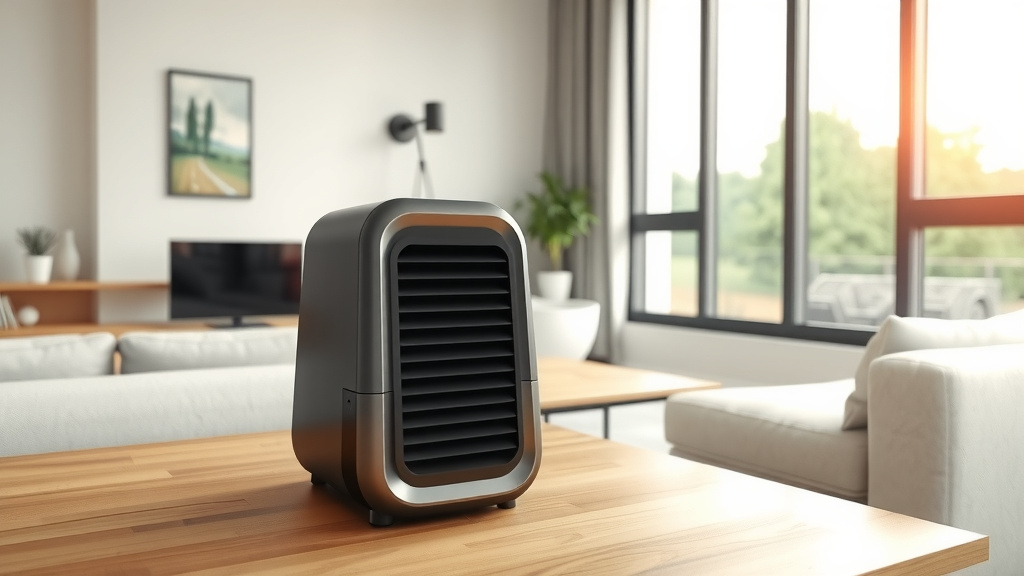
Mini dehumidifiers can be quite effective for managing humidity in very small, enclosed spaces like closets, pantries, or small bathrooms.
However, they are generally not suitable for larger rooms or areas with significant moisture problems due to their limited capacity and slower performance.
Here’s a quick overview if you’re in a hurry:
- Mini dehumidifiers are best for tiny, enclosed areas, not full rooms.
- They work well for preventing mold in places like closets or gun safes.
- Their water removal capacity is very small compared to larger units.
- Expect slower results and frequent emptying of the water tank.
- They are often more affordable and portable, making them convenient for specific needs.
Are Mini Dehumidifiers Any Good?
Mini dehumidifiers are quite good for targeted, small-scale humidity control, excelling in areas where a full-sized unit would be overkill or impractical.
They offer a practical solution for preventing dampness, mildew, and musty odors in confined environments.
Understanding the “Mini” in Mini Dehumidifiers
When we talk about mini dehumidifiers, we’re generally looking at devices much smaller than traditional models.
These compact units are designed for modest moisture removal, often utilizing thermoelectric (Peltier) technology which is quieter and has fewer moving parts.
Think of them as a gentle helping hand for humidity, not a strong arm for a big job.
Where Mini Dehumidifiers Shine Brightest
These smaller devices truly excel in very specific applications where space is tight and humidity levels aren’t extreme.
They are excellent for places like your closet to protect clothes, under the sink to ward off dampness, or even in a small camper (Many experts agree, these spots are perfect).
Your Closet’s Best Friend
Imagine opening your closet and instead of that familiar musty smell, you get fresh air. A mini dehumidifier helps keep your wardrobe fresh and dry, preventing mold growth on clothes and leather items.
Battling Bathroom Moisture (Small Scale)
After a steamy shower, your bathroom can get very humid. A mini unit can help dry out a small, poorly ventilated bathroom quickly, reducing the chance of mildew on tiles and grout.
Protecting Valuables in Safes
For gun safes or storage cabinets holding important documents or electronics, a mini dehumidifier is a silent guardian against moisture damage (Research often connects humidity with material degradation).
RVs, Boats, and Caravans
If you own an RV, boat, or caravan, you know how quickly dampness can build up in these confined spaces. A mini unit can be very useful for maintaining comfort and preventing rot during storage or travel.
When a Mini Dehumidifier Might Not Be Enough
While great for small spots, it’s vital to set your expectations. A mini dehumidifier is not a powerhouse designed for whole-house humidity control.
If you have a large basement with persistent dampness, or a living room that consistently feels clammy, a mini unit will likely be overwhelmed and ineffective (we found this to be a common misconception).
Think of trying to bail out a leaky boat with a teacup – it’s just not the right tool for the job.
Dealing with Big Rooms
Large living areas or open-plan basements require a dehumidifier with a much higher pint capacity. Mini units simply don’t have the muscle to tackle such vast spaces effectively.
Severe Humidity Issues
If you’re facing issues like standing water, widespread mold, or consistently high humidity readings above 60% across a larger area, you’ll need a more robust solution.
Comparing Mini vs. Standard Dehumidifiers
To give you a clearer picture, let’s look at how mini units stack up against their larger counterparts:
| Feature | Mini Dehumidifier | Standard Dehumidifier |
|---|---|---|
| Coverage Area | Very small (up to 200 sq ft) | Medium to large (300-4500 sq ft) |
| Water Removal Capacity | Usually 0.5-2 pints/day | Typically 20-70 pints/day |
| Noise Level | Very quiet (often <35 dB) | Moderate (45-60 dB) |
| Energy Use | Very low (15-60 watts) | Higher (300-800 watts) |
| Cost | Lower ($30-$100) | Higher ($150-$350+) |
| Best Use | Closets, safes, small bathrooms | Basements, living rooms, entire homes |
As you can see, each has its specific role. It’s about matching the tool to the task.
What to Look for When Buying a Mini Dehumidifier
If a mini dehumidifier sounds right for your needs, here are a few things to consider before you buy:
- Capacity: How many pints per day does it remove? Even for mini units, higher is generally better.
- Water Tank Size: A larger tank means less frequent emptying. Consider if you want to empty it every day or every few days.
- Auto Shut-off: This feature is great, automatically turning the unit off when the tank is full to prevent overflows.
- Portability: Look for lightweight designs and maybe a handle if you plan to move it between different small spaces.
- Noise Level: Since these often go into bedrooms or quiet areas, a super-quiet operation (below 35 dB) is a huge plus.
- Energy Efficiency: Check the wattage. Lower wattage means less electricity consumed, saving you money over time.
By keeping these points in mind, you can find a unit that perfectly fits your tiny task.
Maintaining Your Mini Dehumidifier for Optimal Performance
To ensure your mini dehumidifier works efficiently and lasts longer, a little care goes a long way.
Regularly empty the water tank – don’t let it sit full for days, as standing water can become a breeding ground for bacteria (CDC guidelines emphasize this for water containers).
Also, periodically wipe down the unit and clean any air intake grilles to prevent dust build-up, which can hinder air flow and efficiency.
The Verdict: Are They Worth It?
So, are mini dehumidifiers any good? The answer is a resounding yes, within their intended scope.
For small, confined, or rarely-used spaces where excess moisture is a nuisance rather than a crisis, they are an efficient and cost-effective solution.
They provide peace of mind by preventing mildew, protecting valuables, and maintaining a fresher environment in those tricky spots that larger units just can’t reach or wouldn’t be practical for.
Conclusion
Mini dehumidifiers are not meant to replace full-sized units, but they absolutely have a valuable place in your home or recreational vehicle.
If you’re battling a bit of dampness in a closet, a small bathroom, a pantry, or protecting items in a safe, these compact powerhouses can be your silent, efficient allies.
They offer an accessible and practical way to target specific humidity problems, helping you create a more comfortable and healthier environment, one small space at a time.
Can a mini dehumidifier cause health problems?
No, a mini dehumidifier itself will not cause health problems. By reducing excessive humidity, it helps prevent mold and dust mites, which can improve indoor air quality and alleviate allergy symptoms for many people. Just remember to clean the water tank regularly to prevent bacterial growth.
How much electricity does a mini dehumidifier use?
Mini dehumidifiers are typically very energy-efficient. Most models use between 15 to 60 watts of power, which is significantly less than standard dehumidifiers that can use hundreds of watts. This means your electricity bill won’t see a big jump, even if you run it continuously.
Do mini dehumidifiers need a drain hose?
Most mini dehumidifiers do not come with a drain hose option and rely solely on their internal water tank. Their small capacity means manual emptying is expected. Some slightly larger mini models might offer a drain port, but it’s less common for the very compact units.
How long does a mini dehumidifier last?
With proper care and maintenance, a good quality mini dehumidifier can typically last anywhere from 2 to 5 years. Factors like continuous operation, proper cleaning, and the overall quality of the components can influence its lifespan. Regular maintenance helps prolong its effectiveness.
Can I use a mini dehumidifier in my bedroom?
Absolutely! Mini dehumidifiers are often a great choice for bedrooms, especially if you deal with slightly high humidity or a musty smell. They are usually very quiet, which is a big advantage in a sleeping area. Just place it on a stable surface and ensure good air circulation around the unit.
