
Can You Use a Dehumidifier in a Cold Basement?
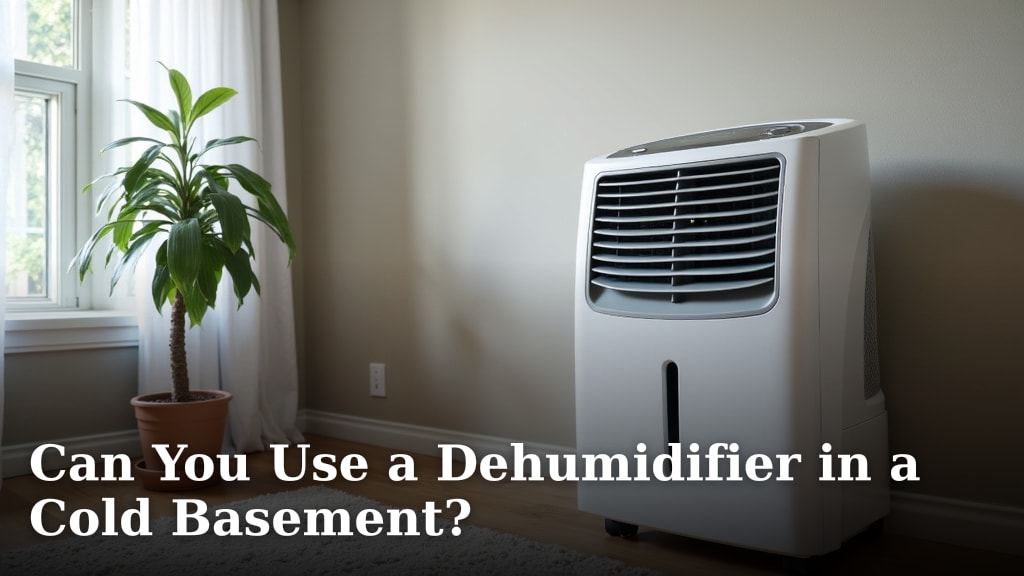
Yes, you can use a dehumidifier in a cold basement, but there’s a catch. Standard dehumidifiers struggle in colder temperatures. You’ll need a specific type to get the best results for your cold basement.
Many homeowners face damp, musty basements, especially when it’s chilly outside. We found that regular dehumidifiers become less efficient below 65°F (18°C). They can even freeze up, stopping them from doing their job effectively.
- Low-temperature dehumidifiers are best for cold basements.
- Standard models don’t work well below 65°F.
- Moisture control is still important, even when it’s cold.
- Look for features like auto-defrost for efficiency.
Let’s dive into why your basement gets damp, what types of dehumidifiers work best, and how to pick the right one for your home.
Dehumidifying Your Cold Basement: What You Need to Know
You’ve got a cold basement, and it feels damp. That’s a common problem for many homeowners. We found that cold air holds less moisture than warm air. So, even if the air feels cold, it can still be very humid. This humidity leads to all sorts of issues you want to avoid.
Why Your Basement Gets Damp and Chilly
Basements are naturally prone to dampness. They are often built partly or fully underground. This means they are surrounded by cool, moist earth. We found that moisture can seep through concrete walls and floors. This constant exposure makes them damp, even when it’s not raining.
The Role of Condensation
Think about a cold glass on a warm day. You see water droplets on the outside, right? That’s condensation. The same thing happens in your basement. When warmer, moist air from upstairs or outside hits your cold basement surfaces, it cools down. This cooling causes the water vapor in the air to turn into liquid. We found that this leads to damp walls and floors. This effect is even stronger in winter.
Poor Ventilation Issues
Basements often lack good airflow. Unlike upper floors with windows, basements might only have small vents or no windows at all. This lack of fresh air means moist air gets trapped. It can’t escape easily. This creates a stuffy, damp environment where mold loves to grow.
The Downside of High Basement Humidity
A damp basement isn’t just unpleasant. It can cause serious problems for your home and your health. Nobody wants a musty smell greeting them every time they go downstairs.
Damage to Your Home
High humidity can slowly destroy your belongings. Books can warp, photos can stick together, and wooden furniture can swell or crack. We found that long-term dampness can even weaken wooden structures like joists. This can become a costly repair down the line.
Mold and Mildew Growth
Mold and mildew thrive in damp, dark places. Your cold, humid basement is the perfect breeding ground. They can grow on walls, ceilings, and stored items. Many experts say that mold spores can become airborne (CDC). Breathing these spores can cause health issues. These include allergies and respiratory problems.
Pest Attraction
Creepy crawlies love damp environments. Silverfish, cockroaches, and even rodents are attracted to moisture. A humid basement can become a haven for these unwanted guests. You want to make your home less inviting to pests.
Choosing the Right Dehumidifier for Cold Spaces
So, you know you need a dehumidifier. But which one? A standard model might not cut it in your chilly basement. You need a model designed to work in lower temperatures.
Low-Temperature Dehumidifiers Explained
These units are built differently. They often have special components that prevent freezing. We found that they can operate effectively in temperatures as low as 33°F (0.5°C). They still remove moisture efficiently. This makes them ideal for unheated or poorly insulated basements.
Key Features to Look For
- Auto-Defrost: This is crucial. When coils get too cold, ice forms. Auto-defrost cycles melt this ice. This allows the unit to keep working without you needing to intervene. It prevents damage and maintains efficiency.
- Internal Pump: Many basements don’t have a floor drain nearby. An internal pump pushes water out through a hose. This means you don’t have to constantly empty a collection bucket. It provides continuous operation.
- Continuous Drain Option: Even without a pump, a gravity drain option is helpful. You can connect a hose to a nearby drain. This also lets the unit run nonstop.
- Adjustable Humidistat: This lets you set your desired humidity level. The unit will turn on and off automatically. This saves energy and maintains comfort. We often recommend aiming for 40-50% humidity.
- High Pint Capacity: This refers to how much moisture it removes in 24 hours. A larger capacity is better for very damp basements. Match the capacity to your basement size and humidity level.
Desiccant Dehumidifiers: An Alternative
Most dehumidifiers use a refrigeration process. Desiccant dehumidifiers work differently. They use a special material that absorbs moisture. We found that these units are very effective in cold temperatures. They don’t have coils that can freeze. They are often more expensive to buy and run. But for extremely cold spaces, they can be an excellent choice.
Standard vs. Low-Temp Dehumidifiers: A Quick Comparison
It helps to see the differences clearly. Here’s a simple breakdown of the two main types you might consider for a basement.
| Feature | Standard Dehumidifier | Low-Temperature Dehumidifier |
|---|---|---|
| Optimal Temperature Range | Above 65°F (18°C) | As low as 33°F (0.5°C) |
| Freezing Risk | High below 60°F (15°C) | Low, due to auto-defrost or desiccant technology |
| Energy Efficiency in Cold | Poor, coils freeze quickly | Better, designed for cold operation |
| Cost (Initial) | Generally lower | Generally higher |
| Best Use | Warm basements, living areas | Cold, unheated basements, garages |
Setting Up Your Dehumidifier for Best Results
Once you’ve chosen the right unit, placement and maintenance are key. You want your dehumidifier to work as efficiently as possible. A little planning goes a long way.
Where to Place Your Unit
Place the dehumidifier in the dampest part of your basement. Often, this is near an outside wall or in a central area. Don’t put it directly against a wall. Give it at least 6-12 inches of space for proper airflow. This lets it pull in moist air easily.
Optimize for Efficiency
Close basement windows and doors when the dehumidifier is running. You don’t want it trying to dehumidify the whole outdoors! Consider sealing any cracks in your basement walls or floor. This helps prevent outside moisture from entering. We found that a tightly sealed space makes the dehumidifier much more effective.
Dehumidifier Maintenance Checklist
Regular maintenance ensures your dehumidifier lasts longer and works better. It only takes a few minutes but makes a big difference.
- Clean the air filter every 2-4 weeks. Dust and debris can block airflow.
- Empty the water bucket regularly, or check the drain hose for clogs.
- Wipe down the unit’s exterior to remove dust.
- Inspect the coils for ice buildup (if it lacks auto-defrost or if auto-defrost isn’t working).
- Ensure there’s no obstruction around the air intake and exhaust vents.
- Store the unit properly if you turn it off for extended periods.
By following these steps, you’ll keep your cold basement drier and healthier. You’ll protect your home and enjoy a more comfortable living space.
Conclusion
Living with a cold, damp basement doesn’t have to be your reality. You now understand that while standard dehumidifiers struggle in chilly conditions, specialized low-temperature or desiccant models are perfectly suited for the job. Investing in the right unit protects your home from structural damage, prevents mold growth, and deters pests. You can transform your basement into a healthier, more comfortable space. Take action today and choose a dehumidifier designed for your unique cold environment.
Frequently Asked Questions
What humidity level should I aim for in a cold basement?
We found that maintaining a humidity level between 40-50% is ideal for most basements. This range helps prevent mold growth and keeps your home comfortable without making the air too dry.
Will a dehumidifier significantly increase my electricity bill?
Running a dehumidifier does consume electricity. However, the exact cost depends on the unit’s energy efficiency, its pint capacity, and how often it runs. Many modern low-temperature models are designed for better energy efficiency. Plus, addressing humidity issues can prevent more costly home repairs down the line.
Can I use a regular dehumidifier if my cold basement is rarely below 60°F?
If your basement consistently stays above 60-65°F (15-18°C), a standard dehumidifier might work adequately. However, if temperatures frequently dip below this, even for short periods, you risk coil freezing and reduced efficiency. A low-temperature model offers more reliable performance.
How often should I empty the water collection bucket?
How often you empty the bucket depends on your basement’s humidity and the dehumidifier’s pint capacity. In very damp conditions, you might need to empty it daily. For continuous drainage, consider using a hose connection to a floor drain or a unit with an internal pump.
Can a dehumidifier help with that musty smell in my basement?
Yes, absolutely! We found that a musty smell is a strong indicator of high humidity and potential mold growth. By removing excess moisture, a dehumidifier helps eliminate the conditions mold needs to thrive, which in turn reduces or gets rid of the musty odor.
