
Can a Dehumidifier Be Added to an HVAC System?
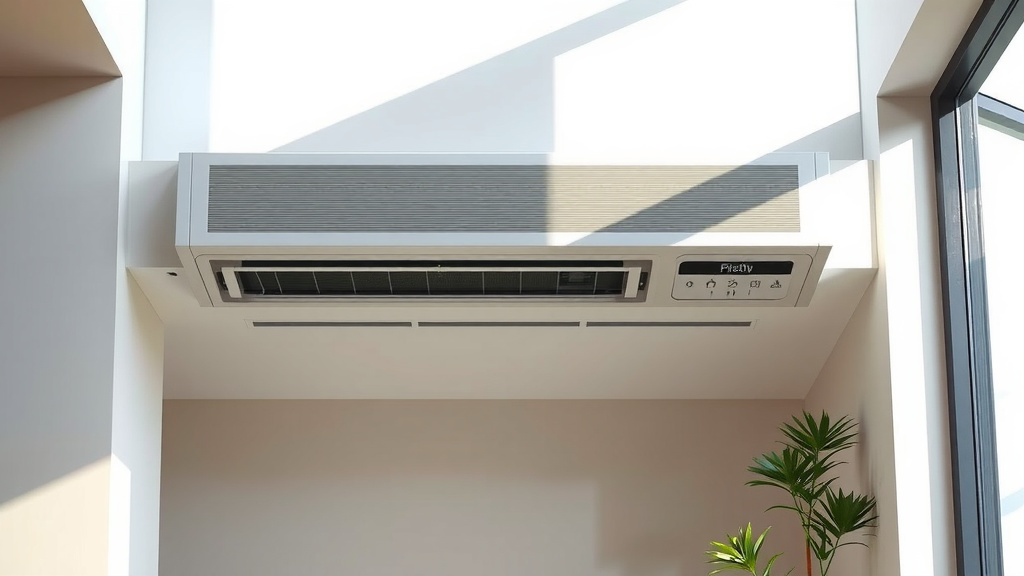
Yes, a dehumidifier can absolutely be added to your HVAC system. This type of unit is called a whole-house dehumidifier, and it works seamlessly with your existing heating and cooling system to manage indoor humidity.
It integrates directly into your ductwork to remove excess moisture from the air circulating throughout your entire home, offering much more consistent results than portable units.
- Whole-house dehumidifiers integrate directly with your HVAC ductwork.
- They provide consistent, automatic humidity control for your entire home.
- This integration helps prevent mold, protects your home’s structure, and boosts comfort.
- Professional installation is crucial for proper functioning and optimal performance.
- It’s a smart upgrade for homes in humid climates or those struggling with dampness.
Ever walked into your home on a humid day and felt that sticky, muggy air, even with the AC running? You might wonder if your HVAC system could do more. The good news is, it can! You’re not alone in thinking about better humidity control. Many homeowners face this challenge, especially in certain climates.
Adding a dehumidifier to your HVAC system is a practical, effective solution. It’s like giving your air conditioner a specialized assistant, focusing solely on moisture removal.
Can a Dehumidifier Be Added to an HVAC System?
Absolutely, you can add a dehumidifier to your existing HVAC system. These are known as whole-house dehumidifiers and they are designed for direct integration.
They work with your furnace or air conditioner to create a more comfortable, less humid environment throughout your entire living space.
Understanding Whole-House Dehumidifiers
A whole-house dehumidifier is different from the portable units you might place in a single room. Instead, it’s a dedicated system that ties directly into your home’s ductwork. Think of it as another component of your home’s central air.
It acts independently or in conjunction with your existing AC unit, pulling moisture from the air before it circulates through your vents. This creates a much more uniform and pleasant indoor atmosphere.
How They Work with Your HVAC
These specialized dehumidifiers connect to both the supply and return air ducts of your HVAC system. Air from your home passes through the dehumidifier, which cools it down to condense out the moisture.
The dry air is then sent back into your ductwork for distribution. The removed water drains away, often directly into a floor drain, so you never have to empty a bucket.
Why Add a Dehumidifier to Your HVAC?
Managing indoor humidity is about more than just comfort. High humidity can cause several problems in your home. It creates an environment ripe for mold growth, can damage wood and electronics, and makes the air feel much hotter than it is.
A whole-house unit tackles these issues proactively, giving you peace of mind. You’ll likely notice the difference the moment you step inside.
Enhanced Comfort and Health Benefits
When humidity levels are right, your home feels cooler and more pleasant. Many experts say ideal indoor humidity sits between 30% and 50% (EPA). Maintaining these levels reduces stickiness and can even make breathing easier for those with allergies or asthma.
Research often connects proper humidity control with a decrease in dust mites and mold spores, which are common allergens (CDC).
Protecting Your Home and Belongings
Excess moisture can wreak havoc on your property. We’ve found that it contributes to warping wooden floors, cracking paint, and even damaging sensitive electronics. Books and documents can become damp and moldy.
A whole-house dehumidifier helps protect these valuable items by keeping the air consistently dry. It’s an investment in your home’s longevity and your personal possessions.
Energy Efficiency Gains
You might think adding another appliance uses more energy. While it does use some energy, controlling humidity can make your existing AC unit more efficient. When the air is less humid, you feel cooler at a higher temperature.
This means you might be able to set your thermostat a few degrees higher in the summer. Many experts found that this can lead to savings on your cooling bills, as your AC doesn’t have to work as hard to remove moisture.
Portable vs. Whole-House Dehumidifiers: A Quick Comparison
Understanding the differences helps you make the best choice for your home. Portable units offer flexibility for small areas, while whole-house systems provide comprehensive coverage.
| Feature | Portable Dehumidifier | Whole-House Dehumidifier |
|---|---|---|
| Coverage | Single room or small area | Entire home (up to 5,000+ sq ft) |
| Installation | Plug-and-play, no installation | Professional HVAC integration |
| Water Removal | Manual bucket emptying or hose drain | Automatic drainage into floor drain |
| Noise Level | Can be noticeable, localized | Quiet, integrated into system airflow |
| Convenience | Move as needed, limited capacity | Set it and forget it, consistent control |
| Cost | Lower initial cost | Higher initial cost, long-term value |
When to Consider Adding a Whole-House Dehumidifier
How do you know if a whole-house unit is right for you? Look for these common signs. Your home might be trying to tell you something!
- You constantly feel sticky or clammy indoors.
- There’s a persistent musty odor in certain areas of your home.
- You notice condensation on windows or cold surfaces.
- There are visible signs of mold or mildew on walls, ceilings, or furniture.
- Your allergies or asthma symptoms seem worse when at home.
- Wood floors or furniture show signs of warping or swelling.
- You live in a region with consistently high outdoor humidity.
The Installation Process: What to Expect
Adding a whole-house dehumidifier is not a DIY project for most homeowners. It requires expertise in HVAC systems and electrical wiring. Professionals ensure the unit is sized correctly and integrated seamlessly.
It typically involves installing the unit near your furnace or air handler, running ductwork connections, and setting up the electrical and drainage systems. The process can often be completed in a single day.
Sizing Your Dehumidifier Correctly
One of the most important steps is choosing the right size dehumidifier for your home. A unit that is too small won’t effectively remove moisture, and one that’s too large might cycle too frequently. Many experts consider factors like your home’s square footage, ceiling height, and local climate.
A qualified HVAC technician can perform a load calculation to recommend the ideal size. This ensures optimal performance and efficiency for your unique living space.
Professional Installation is Key
We found that proper installation is crucial for the efficient and safe operation of your whole-house dehumidifier. An HVAC professional will know how to integrate it without compromising your existing system. They’ll also ensure all electrical connections are safe and up to code.
This expertise helps prevent future problems and ensures your unit performs as it should for years to come. Don’t risk improper installation; trust the experts.
Maintaining Your Integrated Dehumidifier
Once installed, whole-house dehumidifiers require less hands-on maintenance than portable units. Since they drain automatically, there’s no bucket to empty. The main tasks involve regular filter changes and annual professional check-ups.
Your HVAC technician can include the dehumidifier in your regular system maintenance. This helps keep it running efficiently and extends its lifespan.
Conclusion
Adding a dehumidifier to your HVAC system is a fantastic upgrade for many homes, especially those battling persistent humidity. It offers superior, whole-house humidity control compared to portable units, leading to a more comfortable, healthier living environment.
From preventing mold and protecting your home to making your AC more efficient, the benefits are significant. While it’s an investment, the long-term advantages in comfort, home preservation, and potential energy savings often make it a worthwhile one. Talk to an HVAC professional to explore if this solution is right for your home.
How does a whole-house dehumidifier differ from my AC?
Your AC primarily cools your home, and dehumidification is a secondary effect. A whole-house dehumidifier is designed specifically for moisture removal and can operate independently or alongside your AC, offering dedicated humidity control without overcooling your home.
Will adding a dehumidifier increase my energy bill significantly?
While a whole-house dehumidifier uses electricity, it can actually help reduce your overall cooling costs. By effectively removing moisture, it makes your home feel cooler, allowing you to set your AC thermostat higher. Many experts say this can offset the dehumidifier’s energy use, possibly even leading to savings.
Can I install a whole-house dehumidifier myself?
Installing a whole-house dehumidifier is a complex task best left to a professional HVAC technician. It involves connecting to your existing ductwork, electrical wiring, and drainage systems, which requires specialized tools and expertise to ensure proper function and safety.
How do I know what size whole-house dehumidifier I need?
The correct size depends on factors like your home’s square footage, construction, local climate, and existing humidity issues. An HVAC professional can perform a load calculation to recommend the ideal capacity, ensuring efficient and effective moisture removal for your entire home.
Does a whole-house dehumidifier also filter the air?
Most whole-house dehumidifiers come equipped with their own air filters, which help remove dust and other particles from the air as it passes through the unit. While not their primary function, this added filtration can contribute to improved indoor air quality.
