Why Is My Basement Still Humid with a Dehumidifier Running?

Your basement is still humid with a dehumidifier running because the unit might be too small, improperly placed, or you have underlying moisture problems that overwhelm its capacity. Common issues include leaks, poor ventilation, or the dehumidifier itself needing maintenance or replacement.
Many homeowners face this frustrating issue, especially in older homes. We found that even a running dehumidifier can struggle against persistent dampness if not optimized for your specific basement environment. It’s often a sign that something more is going on than just everyday humidity.
- Dehumidifier is too small or old.
- Unit is not placed correctly.
- Doors and windows are open.
- Hidden leaks or water intrusion.
- Poor basement ventilation.
Let’s walk through the common reasons why your dehumidifier isn’t doing its job and what you can do about it. We’ll help you diagnose the problem and get your basement feeling dry and comfortable again.
Why Your Dehumidifier Might Be Losing the Battle Against Basement Humidity
If your basement still feels damp despite running a dehumidifier, it’s often because there’s more moisture entering the space than the unit can remove. This could be due to several common issues, from the dehumidifier itself to problems with your home’s structure.
Is Your Dehumidifier Up to the Task?
Sometimes the problem isn’t a new leak, but simply that your existing dehumidifier isn’t powerful enough or is struggling to perform. It’s a common oversight to assume any dehumidifier will work for any basement size.
It’s Too Small for Your Space
The capacity of your dehumidifier matters a lot. We found that many homeowners choose a unit based on price or general recommendations, not the actual size and humidity level of their basement. A small unit in a large, damp basement is like bringing a spoon to a snowball fight. It just won’t be effective.
Dehumidifier capacity is measured in “pints per day.” This refers to how much moisture it can remove in 24 hours. For a typical basement, especially a damp one, you’ll need a higher capacity. The Department of Energy provides useful guidelines on matching dehumidifier size to room size and conditions (Energy.gov).
- For a 500 sq ft basement, a 10-12 pint unit might work for slightly damp conditions.
- For a very damp 1500 sq ft basement, you could need a 50-pint or larger unit.
Always consider the square footage and how wet your basement typically gets when choosing a unit. If yours is undersized, it will run constantly and still not keep up.
It’s Old and Inefficient
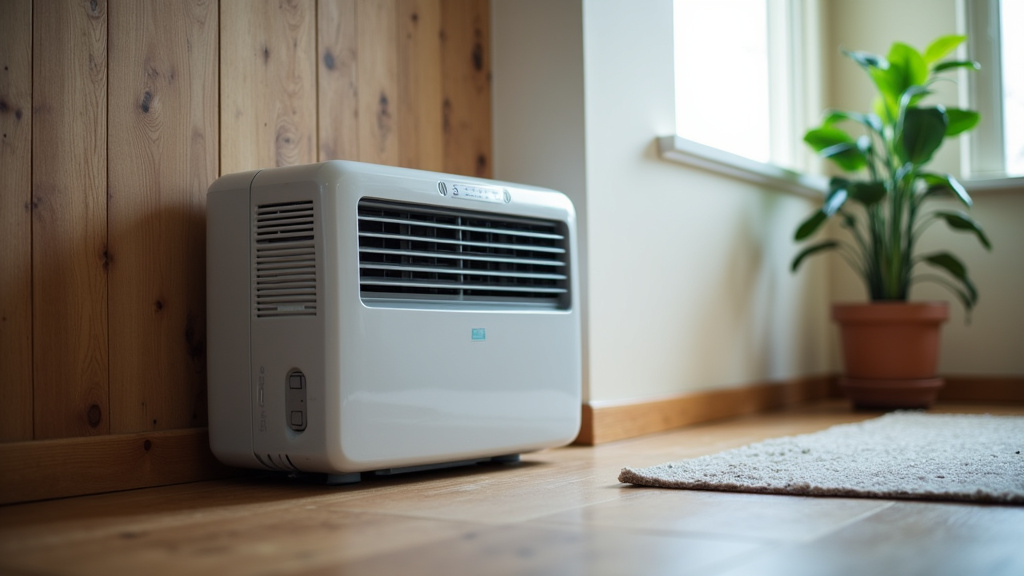
Like any appliance, dehumidifiers don’t last forever. We’ve seen many units lose efficiency over time. An older unit might be running, but it’s just not pulling out the moisture like it used to. Components wear down, and motors become less effective. You might notice it’s making more noise or producing less water.
If your dehumidifier is more than 5-7 years old, its performance might be significantly degraded. It might be time to consider a new, more energy-efficient model. Newer models often have better features and are designed to extract more moisture with less energy.
Clogged Filters or Coils
A simple, yet frequently overlooked issue is a dirty filter or dirty coils. Your dehumidifier pulls air through a filter to catch dust and debris. If this filter gets clogged, airflow is restricted, and the unit can’t work properly. It’s like trying to breathe through a thick cloth.
Similarly, the coils inside the unit collect moisture. If they become caked with dust and grime, their ability to condense water is reduced. We recommend checking and cleaning your dehumidifier’s filter at least once a month, more often if your basement is dusty. Most filters
Conclusion
Dealing with a humid basement, even with a dehumidifier running, can be frustrating. We’ve seen that the solution often lies in a combination of factors: ensuring your dehumidifier is correctly sized and maintained, and addressing any underlying moisture issues in your home. Taking the time to properly diagnose the problem will save you discomfort and potential damage down the line.
By systematically checking your unit and your basement for hidden leaks or ventilation problems, you can bring the humidity under control. Don’t ignore persistent dampness; it’s a call to action. Start by evaluating your current setup and then investigate structural issues to finally achieve a dry, healthy basement environment.
Frequently Asked Questions
How can I tell if my dehumidifier is working correctly?
You should see water collecting in the reservoir or draining away if you have a hose connected. The air in your basement should also feel noticeably drier. If it runs constantly but no water collects, or the air still feels damp, it might not be working efficiently.
What is an ideal humidity level for a basement?
For most basements, an ideal relative humidity level is between 30% and 50%. This range helps prevent mold growth, dust mites, and that musty smell. You can use a hygrometer to accurately measure your basement’s humidity.
Can basement plants or laundry increase humidity?
Yes, both can contribute significantly to basement humidity. Watering plants releases moisture into the air, and drying laundry, especially without proper ventilation, adds a lot of water vapor. Consider relocating plants or using a dryer vent that exhausts outdoors.
Should I run my dehumidifier all the time?
It depends on your basement’s conditions and external weather. In damp climates or during humid seasons, running it continuously or setting it to maintain a specific humidity level (e.g., 45%) is often best. In drier periods, you might only need to run it periodically.
How often should I empty my dehumidifier?
The frequency depends on its capacity and how much moisture it’s removing. If it has a small tank and your basement is very damp, you might need to empty it daily. Many models have an auto-shutoff when full, or you can connect a hose for continuous drainage.