What Humidity Level Is Best for a RV?
For optimal comfort and to prevent issues like mold or dry rot, the best humidity level for an RV is between 30% and 50%. Maintaining this range helps protect your RV’s interior and your health. Too much or too little humidity can cause big problems.
You want to avoid both extremely dry air and overly damp conditions. We found that keeping your RV’s air within this sweet spot prevents damage. It also makes your living space much more comfortable, whether you’re traveling in the desert or a rainforest. A good humidity level is key to a happy RV life.
TL;DR
- Aim for 30-50% relative humidity.
- This range protects your RV from mold and damage.
- It also ensures your comfort.
- Too high causes mold; too low dries out wood.
- Use a dehumidifier or humidifier as needed.
Let’s walk through exactly how to keep your RV’s humidity just right. We’ll cover what tools you need and simple tips to maintain this ideal balance.
Optimizing Humidity Levels in Your RV
Keeping your RV’s humidity between 30% and 50% is really the sweet spot. This range offers the best balance for your comfort and your RV’s longevity. It’s about preventing problems before they even start.
Why Humidity Matters So Much in Your RV
You might wonder, “Why all this fuss about humidity?” Well, your RV is a closed environment. What happens inside stays inside, including moisture. This makes humidity control even more important than in a stick-and-brick home.
The Dangers of High Humidity
Too much moisture in the air is a big problem. We found that sustained humidity above 60% can lead to several serious issues. Think about a tropical rainforest; that’s what your RV can become. Understanding what humidity level causes mold can help RV owners prevent serious issues before they start.
- Mold and Mildew Growth: This is probably the biggest concern. Mold thrives in damp conditions. It can grow on walls, fabrics, and even inside your cabinets. Not only is it unsightly, but it can also cause respiratory issues and allergies (Centers for Disease Control and Prevention).
- Wood Rot and Delamination: Many RVs have wood components. Excess moisture can cause wood to swell, warp, and eventually rot. This leads to costly structural damage. It can also cause delamination, where layers of your RV walls start to peel apart.
- Unpleasant Odors: A damp RV often smells musty. This smell isn’t just annoying; it’s a sign of potential mold or mildew.
- Pest Infestations: Some pests, like cockroaches and silverfish, are attracted to damp environments. You definitely don’t want those unwelcome guests.
- Condensation: You might see condensation on windows, walls, or metal surfaces. This is a clear sign that the air is too saturated with moisture.
The Pitfalls of Low Humidity
On the flip side, extremely dry air isn’t good either. We found that humidity levels consistently below 30% can cause their own set of troubles. Imagine living in a desert inside your RV.
- Cracked Woodwork and Furniture: Just like skin gets dry, wood can dry out too. This can lead to cracking, especially on cabinets, trim, and wooden furniture. Your RV’s interior can look worn out prematurely.
- Damage to Musical Instruments: If you travel with guitars or other wooden instruments, dry air can cause them to crack or warp. This affects their playability and value.
- Discomfort and Health Issues: Dry air can irritate your nasal passages, throat, and skin. You might experience a dry cough, itchy skin, or chapped lips. It can also make you more susceptible to colds and flu, as your mucous membranes become less effective at trapping germs (National Institutes of Health).
- Static Electricity: Remember those annoying static shocks? Dry air is often the culprit.
How to Monitor Your RV’s Humidity
You can’t fix what you don’t measure, right? Monitoring your RV’s humidity is the first step toward maintaining that ideal range. We found that a simple tool does the trick.
The Importance of a Hygrometer
A hygrometer is your best friend for humidity control. This small, inexpensive device measures the relative humidity in the air. You can find them at most hardware stores or online. Look for a digital one; they’re usually more accurate and easier to read.
- Placement Matters: Place your hygrometer in the main living area, away from direct sunlight or vents. You want an accurate reading of the general air conditions.
- Check Regularly: Make it a habit to glance at your hygrometer a few times a day. This helps you catch any fluctuations early.
Strategies for Managing High Humidity
If your hygrometer consistently reads above 50%, it’s time to take action. We found several effective ways to reduce moisture in your RV. It’s like airing out a damp towel.
Ventilation is Your First Line of Defense
Good airflow is crucial. It helps move moist air out and drier air in. Many experts say this is the simplest and most effective method.
- Open Windows and Vents: When the outside humidity is lower than inside, open opposing windows and roof vents. This creates a cross-breeze.
- Use Exhaust Fans: Run your bathroom and kitchen exhaust fans while showering, cooking, or doing dishes. These activities produce a lot of steam.
- Ventilate While Sleeping: Even a slight opening in a roof vent can help remove moisture from your breath overnight.
Consider a Dehumidifier
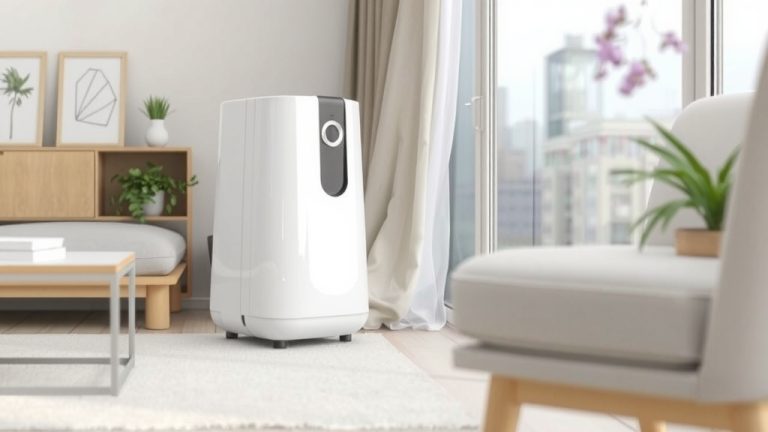
For more persistent high humidity, a dehumidifier is a game-changer. These appliances actively pull moisture from the air.
- Compressor Dehumidifiers: These are powerful but can be noisy and consume more power. They work well in very damp conditions.
- Desiccant Dehumidifiers: Often quieter and lighter, these are great for cooler temperatures and smaller spaces, making them ideal for many RVs.
- Portable or Built-in: Depending on your RV and needs, you can choose a small portable unit or a larger, more permanent solution. Make sure you have a way to drain the collected water.
Other Moisture-Reducing Tips
Small habits can make a big difference. We found that these common practices help keep moisture at bay.
- Dry Wet Items Outside: Hang wet towels and clothes outside whenever possible.
- Wipe Down Surfaces: After cooking or showering, quickly wipe down any surfaces where condensation has formed.
- Use Moisture Absorbers: Products like DampRid can help in small, enclosed spaces like closets or cabinets. They won’t solve a major humidity problem, but they can supplement other efforts.
- Check for Leaks: Sometimes, persistent high humidity is a sign of a hidden leak. Regularly inspect your roof, windows, and plumbing.
Managing Low Humidity in Your RV
What if your hygrometer shows consistently low readings, below 30%? Don’t worry; there are solutions for that too. It’s about adding a little moisture back into the air, gently.
Introducing a Humidifier
If you’re in a very dry climate, a humidifier can add much-needed moisture to the air. We found that small, portable units are best for RVs.
- Cool Mist vs. Warm Mist: Cool mist humidifiers are generally safer, as they don’t produce hot steam. Warm mist humidifiers can be nice in colder weather but require more caution.
- Regular Cleaning: Humidifiers need regular cleaning to prevent mold and bacteria growth. Follow the manufacturer’s instructions carefully.
- Monitor Closely: Always use your humidifier with your hygrometer. You don’t want to overdo it and swing into high humidity territory.
Natural Ways to Add Moisture
Sometimes, you can increase humidity without an appliance. These methods are simple and cost-effective.
- Boil Water: Simmering a pot of water on your stovetop can add some moisture to the air. You can add cinnamon sticks or essential oils for a pleasant aroma.
- Shower with the Door Open (Slightly): Let a little bit of that shower steam escape into the main living area. Just be careful not to create too much condensation.
- Houseplants: Some houseplants release moisture into the air. However, they typically don’t produce enough to significantly impact RV humidity unless you have many of them.
Seasonal Considerations for RV Humidity
Your approach to humidity control will likely change with the seasons and your travel destinations. What works in Arizona might not work in Florida.
| Season/Location | Typical Humidity Challenge | Recommended Action |
|---|---|---|
| Summer (Humid Climates) | High humidity, heat, potential for mold | Run AC, use dehumidifier, ventilate frequently, exhaust fans during cooking/showering. |
| Winter (Cold Climates) | Condensation from heating, potentially dry air from furnace | Ventilate to remove condensation, use a small humidifier if air is too dry, monitor closely. |
| Desert Regions | Very low humidity, dry air | Use a humidifier, keep windows/vents closed to retain moisture, consider plants. |
| Rainy Seasons | Consistently high outside humidity | Keep windows/vents closed, rely on dehumidifier and AC, ensure good ventilation when possible. |
Your RV Humidity Checklist
To summarize, keeping your RV’s humidity in check doesn’t have to be complicated. Here’s a quick checklist to guide you:
- ✅ Purchase a reliable hygrometer.
- ✅ Aim for that 30-50% sweet spot.
- ✅ Ventilate regularly, especially after showering or cooking.
- ✅ Use a dehumidifier if humidity is consistently high. If you use a dehumidifier, you might wonder if you can run a dehumidifier all the time for continuous humidity control.
- ✅ Consider a humidifier if the air is too dry.
- ✅ Check for and fix any leaks promptly.

Conclusion
You now have the tools and knowledge to master your RV’s humidity. Remembering that 30-50% range is your comfort zone will protect your investment and well-being. We’ve seen how simple adjustments can prevent costly damage and health issues.
By using a hygrometer and making smart choices about ventilation or appliances, you’re taking control. Don’t let your RV become a breeding ground for mold or suffer from dry rot. Take action today to ensure your travels are always comfortable and worry-free!
Frequently Asked Questions
Can I use a residential dehumidifier in my RV?
You can, but it might be overkill and use too much power. Residential units are often larger and designed for bigger spaces. We found smaller, more efficient RV-specific or portable dehumidifiers usually work better.
How often should I check my RV’s humidity?
It’s a good idea to check your hygrometer a few times a day, especially when you first arrive at a new location or during extreme weather. This helps you catch changes quickly.
What if my RV smells musty even with low humidity?
A musty smell with low humidity could indicate an existing mold problem that needs to be cleaned. It might also point to a hidden leak allowing moisture to get in. We recommend a thorough inspection.
Are those small, disposable moisture absorbers (like DampRid) enough for RV humidity control?
No, these are typically only effective for very small, enclosed areas like closets or drawers. For your main living space, you’ll need active ventilation, an AC, or a dehumidifier to make a real difference.
Does running the RV air conditioner help with humidity?
Yes, your RV’s air conditioner is designed to cool the air and remove moisture simultaneously. It can be a very effective tool for reducing humidity, especially in warm, damp climates.