How to Place a Dehumidifier for Best Results?

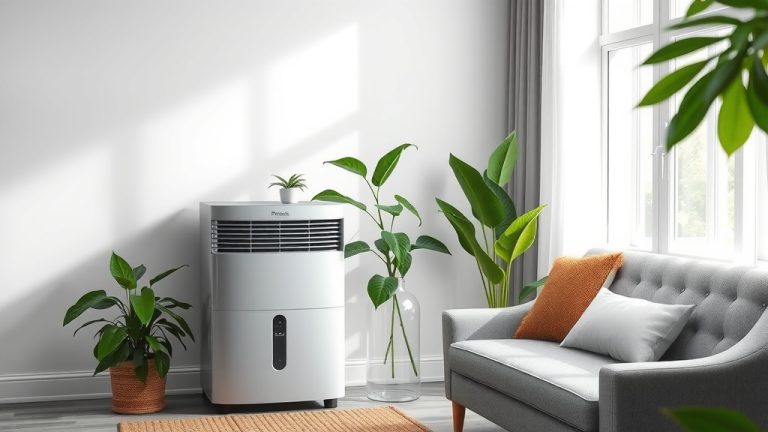
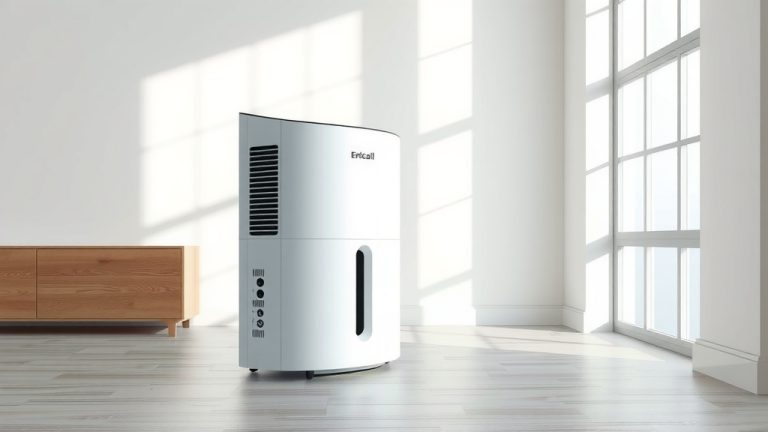
To place a dehumidifier for best results, put it in the room with the most moisture. We found that a central location, away from walls and furniture, works best. This helps air flow freely, so your unit can collect humidity more efficiently.
Dehumidifiers work hard to pull moisture from your air. If you put yours in a bad spot, it won’t do its job well. Think of it like a vacuum cleaner; you want it to reach all the dusty areas. Getting the right placement means better air quality and less mold risk in your home.
- Put the dehumidifier in the dampest room.
- Give it space away from obstacles.
- Make sure air can circulate all around it.
- Empty the water tank regularly.
- Keep doors and windows closed in the target area.
Let’s walk through exactly how to set up your dehumidifier for maximum dryness and comfort.
Optimizing Dehumidifier Placement for Peak Performance
Placing your dehumidifier correctly is vital for its efficiency. A well-placed unit works less, saves energy, and extends its lifespan. Let’s make sure you get it right.
Understanding How Your Dehumidifier Works
Before we dive into placement, it helps to know how these clever machines operate. Your dehumidifier pulls in moist air from its surroundings. Inside, this air passes over cold coils, which condense the water vapor into liquid. This water then drips into a collection bucket, and drier air is released back into the room. It’s like a tiny indoor rainstorm, but in reverse!
Because it needs to process a lot of air, unrestricted airflow is key. If the air can’t get in or out easily, your unit struggles. This means it has to work harder to achieve the same result, wasting energy and potentially wearing out faster.
The Role of Air Circulation
Imagine trying to dry a large puddle with a small fan. If you put the fan in a corner, it won’t be very effective, right? The same principle applies here. Your dehumidifier needs to “breathe” from all sides. Good air circulation allows it to draw in the most humid air and distribute the dry air efficiently. We found that airflow around the unit significantly impacts its drying speed.
- Intake Vents: These are usually on the back or sides. They pull in moist air.
- Exhaust Vents: Often on the top or front. They release dry air.
- Obstacles: Walls, furniture, or curtains can block these vents.
Where is the Most Humid Spot in Your Home?
This is the golden question. Your dehumidifier should always go where it’s needed most. You wouldn’t put a fan in the coldest room, would you? We found that identifying the dampest areas first makes all the difference.
Common High-Humidity Culprits
Certain areas in most homes are naturally more prone to dampness. Think about where water is used or where ventilation might be poor. These are your prime targets.
- Basements: Often partially underground, basements are notorious for high humidity. Moisture can seep through concrete walls. If your basement remains damp despite using a dehumidifier, our guide explains why your basement is still humid.
- Crawl Spaces: Similar to basements, these areas beneath your home can trap a lot of moisture, leading to issues upstairs.
- Bathrooms (without good ventilation): Hot showers and baths produce a lot of steam. If your exhaust fan isn’t strong, humidity can linger.
- Laundry Rooms: Washers and dryers can release moisture into the air, especially older models or if venting is poor.
- Garages: Especially if you park a wet car or store damp items.
- Areas with Leaks: Even a small, undetected leak can cause a localized humidity problem.
Signs of High Humidity
How do you know if an area is too humid? Your senses are often your best guide. You’ll literally feel it. We recommend looking for these tell-tale signs:
- Musty Odor: This is often the first indicator of mold or mildew growth.
- Condensation: Foggy windows, sweating pipes, or water droplets on cold surfaces.
- Damp Feeling: Air that feels heavy or clammy, even if it’s not hot.
- Visible Mold or Mildew: Dark spots on walls, ceilings, or fabric. This is a serious sign (CDC).
- Peeling Paint or Wallpaper: Moisture can loosen adhesives and coatings.
- Wood Rot or Warping: Especially on wooden furniture, floors, or window frames.
If you see these signs, you’ve found your dehumidifier’s new home. Many homeowners use a hygrometer, a device that measures humidity, to confirm suspicions. Ideal indoor humidity levels are generally between 30% and 50% (EPA).
Strategic Placement Within the Room
Once you’ve identified the right room, it’s time to fine-tune its spot. Think of your dehumidifier as a central processing unit for air. It needs to be able to reach everything.
Central Location is Best
We found that placing your unit in the center of the most humid room yields the best results. Why? Because it can draw air from all directions and distribute dry air evenly. If you tuck it away in a corner, it primarily processes the air closest to it, leaving the rest of the room feeling damp.
Give it Space to Breathe
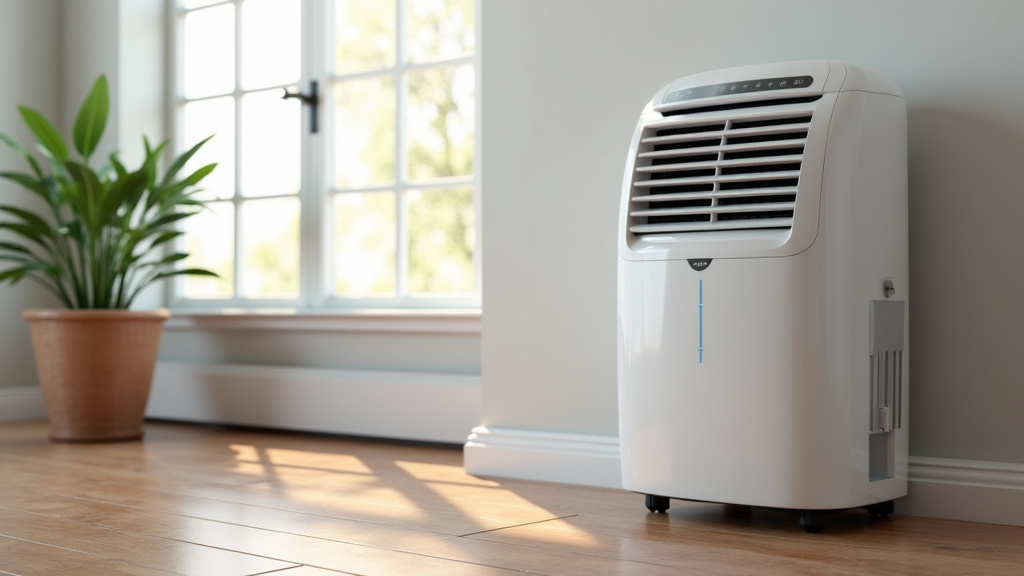
As we mentioned, airflow is critical. Always keep your dehumidifier away from walls, furniture, and curtains. We recommend at least 6-12 inches of clearance on all sides, especially around the intake and exhaust vents. Blocking these vents severely reduces efficiency and can overheat the unit.
Think of it as giving your unit an arm’s length of personal space. This allows air to flow freely, ensuring it can work at its peak. Don’t be afraid to pull it out from the wall. Your dry air will thank you.
Avoid Obstructions and Blocked Vents
A common mistake is placing the dehumidifier behind a sofa or under a desk. This is like trying to breathe with a pillow over your face. The unit can’t draw in enough air or push out the dry air effectively. Always ensure its vents are clear and unobstructed. Check the manufacturer’s manual for specific recommendations on clearance, as this can vary slightly by model.
The Power of a Closed Environment
Your dehumidifier is a specialist. It’s designed to dry the air in a contained space. If you leave doors and windows open, it’s like trying to cool your home with the air conditioner running and all the windows open. You’re just pulling in more moist air from outside, forcing your unit to work harder and less effectively.
When your dehumidifier is running, keep doors and windows closed in the target room or area. This creates a closed loop, allowing the unit to continuously process the same air until the desired humidity level is reached. We consistently found this to be one of the most important factors for effective and efficient dehumidification.
Special Considerations for Different Spaces
While the general rules apply, some spaces have unique needs. A basement is different from a bathroom, for instance.
Basements and Crawl Spaces
For basements, a larger capacity unit is often needed due to the higher moisture levels. Place it near the center, away from shelves or stored items. If you have a particularly long or sectioned basement, you might need two smaller units rather than one large one to ensure even coverage. For crawl spaces, consider a dedicated crawl space dehumidifier, which is often designed to handle harsher conditions and can be duct-mounted.
Bedrooms and Living Areas
In living spaces, noise can be a factor. While placement is still key, you might compromise slightly for a quieter spot. However, always prioritize central, unobstructed placement first. Many modern units offer “quiet modes” for these areas. Place it away from where people typically sit or sleep, if possible, to minimize disturbance.
Garages and Workshops
These areas can get very damp, especially if tools or equipment are stored. Placement here should prioritize functionality over aesthetics. Ensure it’s not in the way of foot traffic or moving vehicles. If your garage is unheated, be mindful of temperatures; most dehumidifiers don’t work efficiently below 40°F (5°C) (Energy Star).
Maintenance Checklist for Optimal Performance
Good placement gets you started, but regular maintenance keeps your dehumidifier running efficiently year after year. Think of it as tuning up a car; a little care goes a long way.
- Clean the Air Filter: Check monthly and clean or replace as recommended by the manufacturer. A dirty filter restricts airflow.
- Empty the Water Bucket: Don’t let it overflow! If your unit has a continuous drain option, use it.
- Clean Coils: Dust and dirt can accumulate on the coils, reducing efficiency. Gently clean them with a soft brush or vacuum.
- Check for Frost: If coils are freezing over, it might be too cold in the room or the unit needs servicing.
- Inspect Drainage Hose: Ensure it’s clear of kinks or blockages if you’re using continuous drainage.
- Store Properly: If you turn it off for the season, clean it thoroughly and store it upright in a dry place.
Choosing the Right Dehumidifier Size
We’ve talked about where to put it, but what about the unit itself? The right size (capacity) for your space is just as important as placement. A unit that’s too small will run constantly and still not get the job done. One that’s too large might cycle on and off too frequently, which isn’t energy efficient.
Capacity is measured in “pints per day,” referring to how much water it can remove in 24 hours. Here’s a general guide:
| Room Size (sq ft) | Dampness Level | Recommended Capacity (Pints/Day) |
|---|---|---|
| Up to 500 | Slightly Damp | 10-14 Pints |
| Up to 500 | Moderately Damp | 12-16 Pints |
| Up to 500 | Very Damp | 16-20 Pints |
| 500-1,000 | Slightly Damp | 14-20 Pints |
| 500-1,000 | Moderately Damp | 20-30 Pints |
| 500-1,000 | Very Damp | 30-40 Pints |
| 1,000-1,500 | Slightly Damp | 20-30 Pints |
| 1,000-1,500 | Moderately Damp | 30-40 Pints |
| 1,000-1,500 | Very Damp | 40-50 Pints |
| 1,500-2,500 | Moderately Damp | 50-70 Pints |
| 1,500-2,500 | Very Damp | 70-90 Pints |
This table is a good starting point. Consider your home’s specific conditions. Do you live in a naturally humid climate? Do you have many plants? These factors might push you towards a slightly larger unit. Many experts recommend consulting the manufacturer’s guidelines based on your room’s exact cubic footage and current humidity levels for the most accurate sizing (Energy Star).
Conclusion
You now have the knowledge to optimize your dehumidifier’s performance. By understanding how it works and where moisture accumulates, you can make smart placement choices. Remember to prioritize the dampest room, give your unit ample space for airflow, and maintain a closed environment. These simple steps ensure your dehumidifier works efficiently.
Take control of your home’s humidity today. Implement these strategies and enjoy a healthier, more comfortable living space. Your efforts will lead to better air quality and a significant reduction in moisture-related problems.
Frequently Asked Questions
Can I put a dehumidifier in a closet?
Placing a dehumidifier directly inside a closet is generally not recommended. Closets often lack the necessary airflow for the unit to operate efficiently. The restricted space can cause the unit to overheat or simply not circulate air effectively enough to reduce humidity.
How close to a wall can a dehumidifier be?
You should aim for at least 6-12 inches of clearance around all sides of your dehumidifier, especially near intake and exhaust vents. This space is crucial for proper airflow and prevents the unit from working harder than it needs to.
Should a dehumidifier run all the time?
No, a dehumidifier usually doesn’t need to run constantly. Once the desired humidity level (typically between 30-50%) is reached, a good unit will cycle off. Running it continuously can waste energy and might indicate an undersized unit or a significant ongoing moisture problem.
Does opening windows affect a dehumidifier?
Yes, opening windows significantly reduces a dehumidifier’s effectiveness. It allows new, often humid air from outside to enter the space, forcing your unit to work harder to remove more moisture. Keep windows and doors closed in the room where the dehumidifier is operating.
Can I place a dehumidifier on carpet?
It’s generally safe to place a dehumidifier on carpet, but ensure it’s on a stable, level surface. Some homeowners prefer to place a protective mat or tray underneath to catch any potential drips or spills, especially if the unit uses a water bucket.