
How to Use a Dehumidifier?
<p>To use a dehumidifier, you first need to <strong>place it in the dampest room</strong> in your home and <strong>select your desired humidity level</strong>. Then, simply plug it in and let it work its magic; the unit will automatically pull moisture from the air, collecting it in a <strong>water reservoir</strong>.</p>
<p>Dehumidifiers are <strong>fantastic tools</strong> for improving indoor air quality and comfort, especially in humid climates or damp basements. They help prevent mold, mildew, and musty odors, making your home feel <strong>much fresher and healthier</strong>. Who wants to live in a swampy house, anyway?</p>
<ul>
<li>Choose the right size dehumidifier for your space.</li>
<li>Place it in the most humid area.</li>
<li>Set your target humidity level, usually between 40-50%.</li>
<li>Empty the water tank regularly or use continuous drainage.</li>
<li>Keep the filter clean for efficient operation.</li>
</ul>
<p>Let’s walk through exactly how to set up and use your dehumidifier for <strong>maximum effectiveness</strong>, ensuring you get the <strong>most out of your investment</strong> and enjoy a drier, more comfortable home.</p>
Getting Your Dehumidifier Ready for Action
Setting up your dehumidifier correctly is the first step to a drier, more comfortable home. It’s not just about plugging it in; a few smart choices can make a big difference in how well it performs.
Choosing the Right Spot for Placement
Where you put your dehumidifier matters a lot. You want to place it in the room with the most moisture. Often, this is a basement, laundry room, or bathroom without good ventilation.
Consider Room Size and Airflow
Think about the size of the room. A dehumidifier works best in an area where its fan can circulate air efficiently. Avoid putting it in a crowded corner or against a wall. Give it at least 6-12 inches of space on all sides for optimal airflow, as advised by many manufacturers.
If you have a very large home or multiple damp areas, you might need more than one unit. For example, a basement and an upstairs bedroom might both benefit from their own dehumidifiers. This ensures you’re tackling humidity where it’s highest.
Avoid Obstructions and Heat Sources
Don’t block the air intake or exhaust vents. This can reduce efficiency and even cause the unit to overheat. Also, keep your dehumidifier away from heat sources like radiators, space heaters, or direct sunlight. Why? Because the unit will work harder and use more energy trying to cool down the air it’s processing.
Placing it near a window can be tricky. While windows are often areas of high condensation, direct sunlight can warm the unit and reduce its effectiveness. A good rule of thumb is to find a central, unobstructed spot in the dampest room.
Understanding Your Dehumidifier’s Settings
Modern dehumidifiers come with a variety of settings. Knowing how to use them helps you control your home’s humidity level precisely and save energy.
Setting the Humidistat
Your dehumidifier has a humidistat, which is like a thermostat for humidity. You set your desired humidity level, and the unit will turn on and off automatically to maintain it. Most experts, including those at the Environmental Protection Agency (EPA), recommend keeping indoor humidity between 30% and 50%.
We found that 40-50% is a great sweet spot for most homes. This range is low enough to prevent mold growth and dust mites but not so low that it makes the air feel too dry.
Fan Speed and Continuous Modes
Many units offer different fan speeds. A higher fan speed will remove moisture faster but will be louder. A lower speed is quieter and perfectly fine for maintaining a set humidity level once it’s been reached.
Some dehumidifiers have a “continuous” mode. This means the unit runs constantly, regardless of the humidity level. Use this mode for very damp situations, like after a flood or in a consistently wet basement, but be mindful of energy consumption. It’s often best to switch back to humidistat control once the initial high humidity is under control.
Operating Your Dehumidifier Effectively
Once your dehumidifier is in place and set up, you’ll want to ensure it runs efficiently. This involves understanding how it collects water and how to care for it.
Managing Water Collection
As your dehumidifier pulls moisture from the air, that water needs to go somewhere. You have two main options for dealing with the collected water.
Emptying the Water Tank (Manual Drainage)
Most dehumidifiers come with a built-in water reservoir or bucket. When this tank fills up, the unit will typically shut off automatically to prevent overflow. You’ll then need to manually empty it. This is a simple process: just slide out the bucket, pour the water down a drain, and slide it back in.
How often you empty it depends on how humid your environment is and the size of your unit’s tank. In very damp conditions, you might need to empty it several times a day. Consider this when choosing a dehumidifier; a larger tank means less frequent emptying.
Continuous Drainage Options
For a more hands-off approach, many dehumidifiers offer continuous drainage. This means you can connect a garden hose or a specialized drainage hose to the unit. The water then drains continuously into a floor drain, utility sink, or pump system. This is a fantastic option for basements or areas with consistent high humidity.
Make sure the hose is properly angled downward so water can flow by gravity. If gravity isn’t an option, you might need a condensate pump to push the water uphill. This eliminates the need for constant monitoring and emptying, letting your dehumidifier do its job without interruption.
Maintaining Your Dehumidifier for Longevity
Like any appliance, a dehumidifier needs a little tender loving care to keep working its best. Regular maintenance ensures efficiency and extends the life of your unit.
Cleaning the Air Filter
The air filter is one of the most important components to keep clean. It prevents dust and debris from entering the dehumidifier’s coils and fan. A dirty filter can significantly reduce efficiency and even cause the unit to overwork and break down.
Most manufacturers recommend cleaning the filter every two weeks to a month, depending on how often you use it and how dusty your environment is. Simply slide out the filter, vacuum it, or wash it with warm, soapy water. Make sure it’s completely dry before putting it back in.
Cleaning Coils and External Surfaces
Over time, dust can also accumulate on the unit’s coils. While you might not need to clean these as often as the filter, a yearly check-up is a good idea. Unplug the unit, and carefully use a soft brush or vacuum attachment to remove any dust. Be gentle, as the coils can be delicate.
Wipe down the exterior of your dehumidifier with a damp cloth periodically to keep it looking fresh. A clean machine not only performs better but also keeps your home healthier. Don’t forget to clean the water collection bucket regularly with a mild disinfectant to prevent mold or mildew growth there, too.
Addressing Common Dehumidifier Issues
Even with proper care, you might encounter a few common problems. Knowing what to look for can help you troubleshoot.
Unit Not Collecting Water
If your dehumidifier isn’t collecting water, check a few things. First, verify that the humidistat setting is lower than the actual room humidity. If your desired humidity is 45% and the room is already at 40%, the unit won’t run.
Second, ensure the water tank is properly seated. Many units have a safety switch that prevents operation if the tank isn’t in place. Also, check for any hose blockages if you’re using continuous drainage. Lastly, sometimes a very cold room can cause the coils to freeze; some units have an auto-defrost feature, but others may need to be turned off to thaw.
Unusual Noises or Odors
A little fan noise is normal, but if you hear grinding, rattling, or other unusual sounds, it could indicate a problem with the fan motor. Turn off the unit and inspect for any loose parts or obstructions. If the noise persists, it might be time for a professional repair or replacement.
If you notice a musty odor coming from your dehumidifier, it’s a sign of mold or mildew inside the unit or in the water tank. Thoroughly clean the water bucket with a bleach solution or vinegar, and clean the filter. If the smell continues, check the coils for mold growth and clean them as well. A clean machine fights odors, it doesn’t create them.
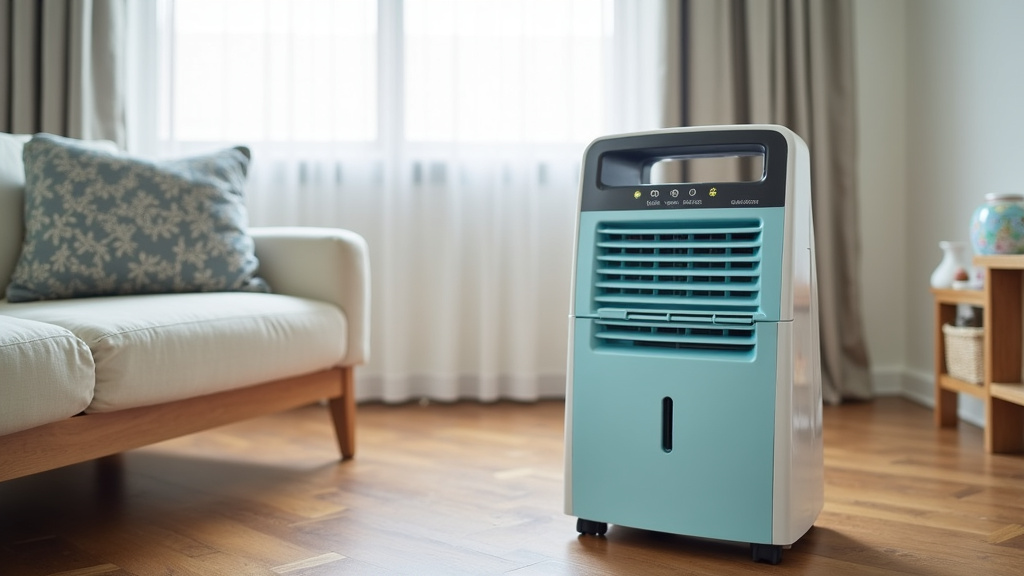
Dehumidifier Usage Checklist
Here’s a quick checklist to make sure you’re getting the most out of your dehumidifier:
- Place the unit in the dampest room, away from walls and obstructions.
- Set the desired humidity level between 40-50% for optimal comfort and health.
- Choose between manual tank emptying or continuous drainage.
- Clean the air filter at least once a month, or more often in dusty areas.
- Periodically clean the water bucket to prevent mold and odors.
- Ensure windows and doors are closed in the room where it’s operating.
| Setting | When to Use It | Benefit |
|---|---|---|
| Humidistat (e.g., 45%) | General daily use once humidity is under control | Energy efficient, maintains consistent comfort |
| High Fan Speed | Initial setup, very high humidity, after a spill | Faster moisture removal |
| Low Fan Speed | Maintaining set humidity, quiet operation desired | Less noise, good for long-term maintenance |
| Continuous Mode | Extreme dampness, after a flood in a continuously draining area | Non-stop moisture removal |
Conclusion
You now have all the tools to effectively use your dehumidifier. By choosing the right spot, setting the optimal humidity, and performing routine maintenance, you’ll protect your home from excess moisture. You’ll enjoy fresher air, prevent mold, and create a much more comfortable living space. Put these tips into practice today and experience the difference a well-maintained dehumidifier can make in your home.
Frequently Asked Questions
Can I use a dehumidifier in cold temperatures?
Most standard dehumidifiers are designed to operate efficiently in warmer conditions, typically above 65°F (18°C). In colder environments, coils can freeze, reducing effectiveness. For basements or garages, consider a “low-temperature” dehumidifier designed to work in cooler settings.
How long does it take for a dehumidifier to lower humidity?
The time it takes varies based on room size, initial humidity, and the unit’s capacity. For a moderately damp room, you might see noticeable changes within a few hours. Achieving your target humidity could take 1-3 days initially, then the unit will maintain it.
Is it okay to run a dehumidifier 24/7?
Yes, many people run their dehumidifiers continuously, especially in very humid climates or damp basements. Modern units are designed for this. Just remember to manage water collection and perform regular maintenance, like cleaning the filter, to ensure efficient operation.
Where should a dehumidifier not be placed?
Avoid placing your dehumidifier in closets or other enclosed spaces without good airflow, as this will limit its effectiveness. Also, keep it away from doors and windows that are frequently opened, as this allows more humid air to enter, making the unit work harder.
Will a dehumidifier help with allergies?
Yes, a dehumidifier can significantly help with allergies by reducing moisture in the air. This makes your home less hospitable to common allergens like dust mites, mold, and mildew. Maintaining humidity between 30-50% can alleviate allergy symptoms and improve indoor air quality.
