
What Is a Dehumidifier?
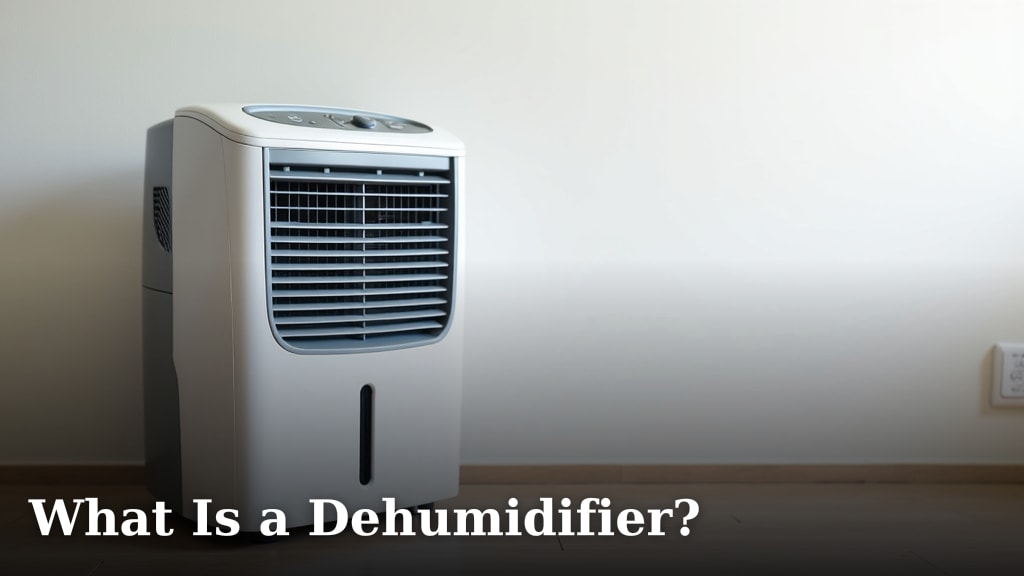
A dehumidifier is a home appliance that removes excess moisture from the air. Think of it as a little helper for your home’s humidity levels. It works by drawing in damp air and cooling it down.
When the air cools, water vapor turns into liquid water. This collected water drips into a bucket or drains away. The dry, cooler air then cycles back into your room, making your space feel much more comfortable and less muggy. We found that this process helps prevent common moisture problems.
- Takes moisture out of the air.
- Makes your home feel less sticky.
- Helps stop mold and mildew.
- Great for basements and damp rooms.
- Protects your home and belongings.
So, why might you need one, and how do they actually help you and your home? Let’s dive deeper and find out everything you need to know about dehumidifiers.
Understanding Dehumidifiers: How They Work Their Magic
Dehumidifiers quietly work behind the scenes to make your living spaces more pleasant. They pull extra moisture from the air, creating a healthier and more comfortable home environment.
The Science Behind Moisture Removal
Ever wonder how a dehumidifier actually works? It’s a pretty clever process, much like how a cold drink ‘sweats’ on a hot day. The science is simple but effective.
Condensation: The Key Process
You see, air holds water vapor. Warm air holds more vapor than cold air. A dehumidifier uses this principle. It draws in the moist air from your room over a set of cold coils. As the warm, damp air passes over these chilled coils, it cools down quickly.
This rapid cooling causes the water vapor in the air to condense, changing from a gas into liquid water. It’s the same thing that happens when you see fog on a bathroom mirror after a hot shower. The collected water then drips into a collection bucket or drains away.
After shedding its moisture, the now-dry air passes over a set of warmer coils. This brings the air back to a comfortable temperature before it’s released back into your room. The cycle continues, steadily reducing the humidity.
Why High Humidity Is a Problem
While some humidity is good, too much can cause several issues in your home and for your health. We found that managing humidity is key to home comfort and maintenance.
- Uncomfortable Feelings: High humidity makes the air feel sticky and muggy. It can make you feel hotter than it actually is, even if your air conditioning is running.
- Mold and Mildew Growth: This is a big one. Mold and mildew love damp environments. They can grow on walls, ceilings, carpets, and even clothes. These growths don’t just look bad; they can also damage your home and cause unpleasant odors (EPA).
- Wood Damage: Excessive moisture can cause wooden floors, furniture, and structural elements to warp, swell, or rot over time. This can lead to costly repairs.
- Dust Mite Proliferation: Dust mites thrive in humid conditions. These tiny creatures are a common trigger for allergies and asthma symptoms. Reducing humidity helps control their populations.
- Musty Odors: A damp home often comes with a distinctive musty smell. This is usually due to mold, mildew, or bacteria growing in moist areas.
Where You’ll Typically Find High Humidity
Certain areas in your home are naturally more prone to high humidity. Do any of these sound familiar?
- Basements: Often underground, basements naturally tend to be cooler and damper. This makes them prime spots for moisture buildup.
- Crawl Spaces: Similar to basements, crawl spaces can trap moisture, especially if not properly ventilated.
- Bathrooms: With showers and baths, bathrooms produce a lot of steam and moisture. Even with an exhaust fan, extra help might be needed.
- Laundry Rooms: Washing machines and dryers can add moisture to the air, particularly if your dryer isn’t properly vented.
- Kitchens: Cooking, especially boiling water, releases steam and increases humidity levels.
- Garages: If your garage isn’t well-sealed or experiences temperature swings, it can become quite damp.
Types of Dehumidifiers: Finding Your Perfect Match
Not all dehumidifiers are created equal. Different types are designed for different needs and room sizes. Understanding the main categories can help you choose the right one for your home.
Refrigerant (Compressor) Dehumidifiers
These are the most common type you’ll find for home use. They work just like your refrigerator or air conditioner. They pull moist air over refrigerant-filled coils to condense water.
Ideal Uses for Compressor Dehumidifiers
Compressor dehumidifiers work best in warmer, more humid environments, typically above 65°F (18°C). They are very efficient at removing large amounts of moisture from the air. You’ll often see them used in damp basements, laundry rooms, or larger living areas during humid seasons.
We found that they can struggle in very cold temperatures. The coils can freeze, making the unit less effective. Many come with an auto-defrost feature to combat this problem.
Desiccant Dehumidifiers
Desiccant dehumidifiers use a different method. Instead of cold coils, they use a special material that absorbs moisture from the air. Think of it like a giant packet of silica gel you might find in a new shoe box.
When to Choose a Desiccant Dehumidifier
These units excel in cooler environments. They work very well in temperatures below 60°F (15°C). This makes them perfect for unheated basements, garages, or colder workshops where a compressor unit might freeze up.
They tend to be quieter and lighter than compressor models. However, they can be less energy-efficient in warmer conditions and typically remove less moisture per day than a compressor unit of similar size.
Whole-Home Dehumidifiers
These are more robust systems designed to integrate with your home’s HVAC system. They treat the air throughout your entire house, not just one room.
Benefits of a Whole-Home System
A whole-home dehumidifier offers consistent humidity control for every room. They are usually installed by a professional and require ductwork. While a bigger investment upfront, they offer unparalleled comfort and protection for your whole living space (ASHRAE).
They typically drain directly into your home’s plumbing, so there’s no bucket to empty. This provides a truly hands-off solution for humidity management.
Key Features to Look For
When you’re ready to choose a dehumidifier, several features can make a big difference in its performance and convenience. What features are important to you?
Capacity (Pints Per Day)
This is arguably the most important feature. Dehumidifier capacity is measured in “pints per day.” This refers to how many pints of water the unit can remove from the air in 24 hours. The capacity you need depends on the size of your space and how damp it is.
| Room Size | Conditions | Capacity (Pints Per Day) |
|---|---|---|
| Small (up to 500 sq ft) | Slightly damp | 10-20 PPD |
| Medium (500-1000 sq ft) | Moderately damp | 20-35 PPD |
| Large (1000-1500 sq ft) | Very damp | 35-50 PPD |
| Very Large (>1500 sq ft) | Extremely damp/Wet | 50-70 PPD |
You’ll want to pick a unit with enough power for your specific needs. Too small, and it won’t keep up. Too large, and you might be using more energy than necessary.
Drainage Options
How the collected water is removed is a big consideration for convenience.
- Manual Emptying: Most smaller units have a collection bucket you need to empty by hand when it gets full. This is fine for occasional use or smaller spaces.
- Continuous Drainage: Many models offer the option to attach a garden hose. This allows water to drain directly into a floor drain, sink, or even outdoors. This is a game-changer if you want the unit to run constantly without intervention.
- Internal Pump: Some advanced models include a built-in pump. This lets you pump the water up and out, perhaps into a sink that’s higher than the dehumidifier itself. This offers the most flexibility for placement.
Additional Smart Features
Modern dehumidifiers often come with extra features to make them easier to use and more efficient.
- Built-in Humidistat: This feature allows you to set a target humidity level, much like a thermostat lets you set a target temperature. The dehumidifier will then turn on and off automatically to maintain that level, saving energy.
- Auto Shut-Off: This safety feature automatically turns the unit off when the water bucket is full, preventing overflows. It’s a must-have for peace of mind.
- Low-Temperature Operation: If you need to use your dehumidifier in cooler areas, look for models designed to operate efficiently in low temperatures, often with an automatic defrost function.
- Washable Air Filter: A filter helps keep dust and other particles out of the unit. A washable one is easy to maintain and saves you from buying replacements.
- Timers: A programmable timer allows you to set the dehumidifier to turn on or off at specific times, aligning with your schedule or energy-saving goals.
By considering these features, you can find a dehumidifier that effectively tackles your humidity issues and fits seamlessly into your home.
Conclusion
You’ve seen how a dehumidifier works its magic, from condensing moisture to protecting your home. Understanding the different types, like compressor and desiccant models, helps you choose wisely. We found that matching the right capacity and features to your living space is key. From combating mold and mildew to improving comfort, a dehumidifier is a powerful tool against excessive humidity.
Ready to reclaim your comfortable home? Use this guide to select the perfect dehumidifier for your specific needs, and enjoy a drier, healthier living environment soon.
Frequently Asked Questions
What is the ideal humidity level for a home?
Most experts, including the EPA, recommend maintaining indoor humidity levels between 30% and 50%. This range helps prevent mold growth, dust mites, and discomfort, creating a healthy indoor environment for you and your family.
Where is the best place to put a dehumidifier in my room or basement?
For best results, place your dehumidifier in the center of the dampest room or area you want to treat. Make sure it’s away from walls and furniture to allow for proper airflow. Avoid placing it directly in front of air vents or open windows.
How often should I empty the water bucket?
How often you empty the bucket depends on the dehumidifier’s capacity and the humidity level in your home. In very damp conditions, you might need to empty it once or even twice a day. Many units have an indicator light or automatic shut-off when the bucket is full.
Will a dehumidifier help with allergies?
Yes, a dehumidifier can definitely help with allergies. By reducing indoor humidity, it limits the growth of common allergens like dust mites, mold, and mildew. This creates an environment less hospitable to these triggers, which can alleviate allergy symptoms for many people.
Do dehumidifiers use a lot of electricity?
The energy consumption of a dehumidifier varies by its size, type, and how often it runs. Larger units and those running continuously will use more power. Look for ENERGY STAR certified models, as these are designed to be more energy-efficient than standard models, potentially saving you money on your electricity bill.
