What Is the Best Dehumidifier for Renters on a Budget?
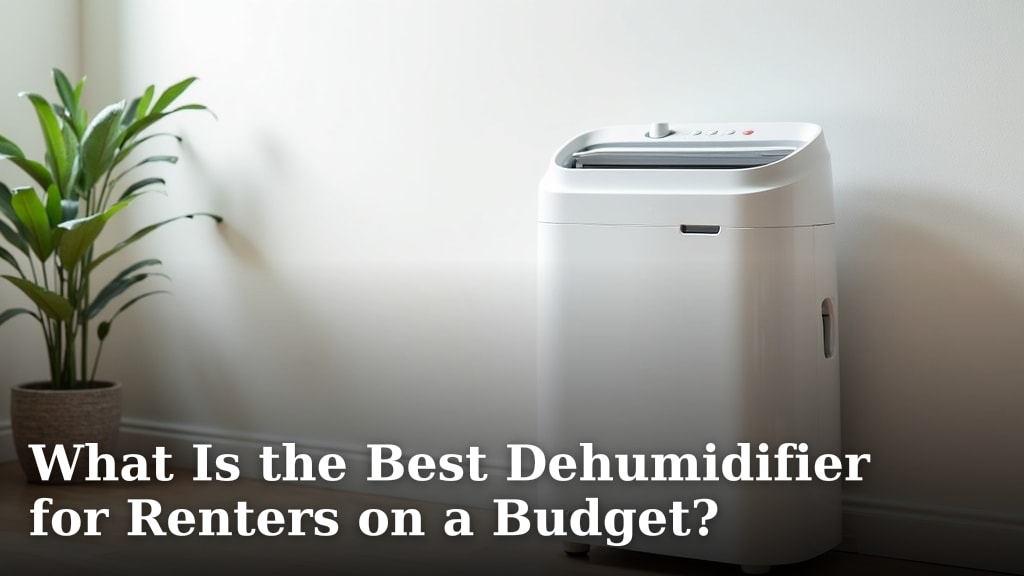
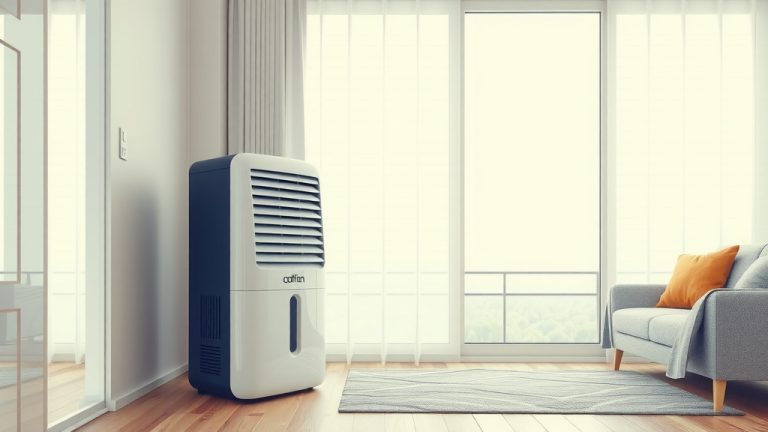
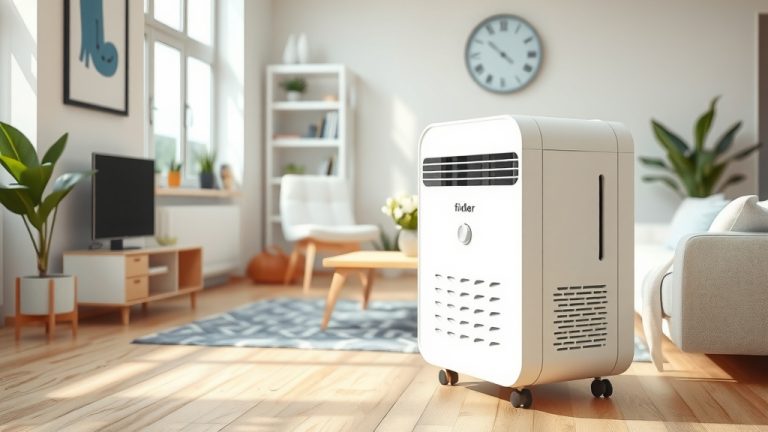
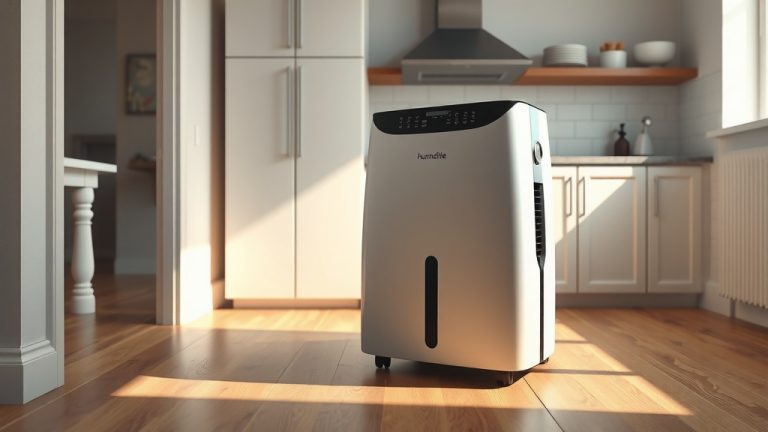
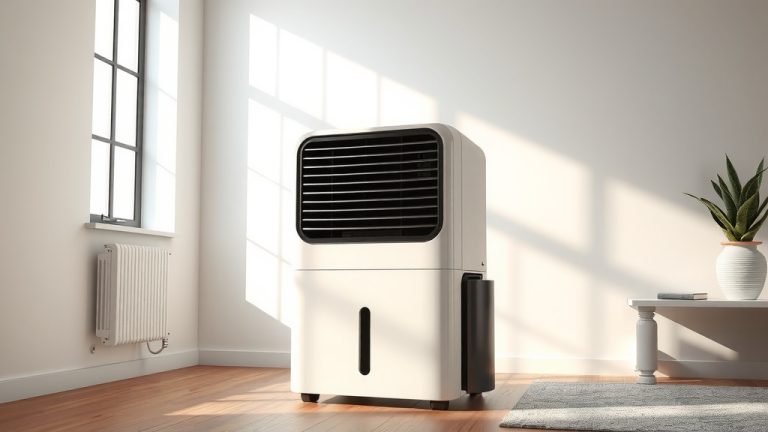
The best dehumidifier for renters on a budget is often a compact and energy-efficient 30-pint unit, offering a great balance of performance and affordability without requiring complex installation or draining. We found that models around this size are ideal for most apartment spaces and can significantly improve your indoor air quality and comfort.
You’re probably looking for a dehumidifier that’s easy to move, doesn’t cost a fortune to buy or run, and effectively tackles that sticky humidity, right? We understand the unique challenges renters face, from noisy neighbors to strict lease agreements. So, we focused on options that are renter-friendly and won’t break your bank.
- 30-pint dehumidifiers are usually the sweet spot for renters.
- Look for low energy consumption to save on bills.
- Easy portability is key for moving or storing.
- Avoid units requiring permanent drainage hookups.
- Many affordable options still offer great humidity control.
Let’s dive into our top picks and show you exactly what to look for to make your rental feel much more comfortable.
Finding the Ideal Dehumidifier for Your Rented Space
For most renters on a budget, the sweet spot is a 30-pint dehumidifier. These units offer excellent moisture removal for typical apartment sizes without being overly expensive or difficult to manage.
You’re looking for something that just works, right? Something that tackles that muggy feeling without demanding a lot of your time or money. We understand. Our research points to smaller, more efficient units as the best choice for renters like you.
Why a 30-Pint Dehumidifier Often Wins for Renters
When you hear “pint,” it refers to how much moisture a dehumidifier can remove from the air in 24 hours. A 30-pint unit is a fantastic all-rounder. It’s powerful enough for most bedrooms, living rooms, and even small apartments up to around 1,500 square feet, which covers many rental properties.
You won’t typically need a huge, commercial-grade dehumidifier. Those are for very large or extremely damp basements. For general comfort and mold prevention in an apartment, a 30-pint unit does the trick beautifully. It’s also usually compact enough to move easily, which is a big plus for renters.
Balancing Power and Price
Think of it like this: a 30-pint dehumidifier is the reliable sedan of the dehumidifier world. It’s not the flashiest, but it gets the job done efficiently and without breaking the bank. Larger units, like 50-pint or 70-pint models, cost more upfront and use more electricity. For most rental situations, that extra power is overkill and just adds to your utility bill.
We found that many budget-friendly 30-pint models come packed with features you’ll appreciate. Things like adjustable humidistats, automatic shut-off, and washable filters are common, even in more affordable units.
Key Features Renters Should Prioritize
As a renter, your needs are a little different from a homeowner’s. You probably can’t install anything permanent, and you need flexibility. So, what should you really focus on when shopping?
- Portability: Can you easily move it from one room to another, or even to a new apartment?
- Energy Efficiency: Will it drive up your electricity bill? Look for Energy Star certification.
- Noise Level: Is it quiet enough not to annoy you or your neighbors?
- Water Tank Size & Draining: How often will you need to empty it? Does it have a continuous drain option if you ever want it?
- Controls & Features: Is it easy to use? Does it have an auto-shutoff when the tank is full?
These points will guide you to a dehumidifier that fits your lifestyle and your lease agreement.
Understanding Energy Efficiency and Your Wallet
Electricity costs can add up, especially if your dehumidifier runs frequently. That’s why energy efficiency is so important for budget-conscious renters. An Energy Star certified dehumidifier uses about 15% less energy than conventional models (Energy Star).
This might not sound like a lot, but over a humid summer, those savings can make a real difference to your monthly budget. Plus, it’s better for the environment, which is always a good thing.
What to Look for: Energy Star Label
When you’re browsing, keep an eye out for the bright yellow Energy Star label. This certification means the unit meets strict energy efficiency guidelines set by the U.S. Environmental Protection Agency. It’s a quick and easy way to know you’re getting a model that’s designed to save you money on operating costs.
Even if a unit is slightly cheaper upfront but lacks Energy Star, it might cost you more in the long run. It’s a classic case of spending a little more now to save a lot later. We found that the initial investment in an Energy Star model almost always pays off.
Noise Levels: Keeping the Peace in Your Apartment
Living in an apartment often means close quarters. The last thing you want is a dehumidifier that sounds like a jet engine taking off. A noisy unit can be incredibly disruptive, especially if you’re trying to sleep, work from home, or just relax.
Many manufacturers list the noise level in decibels (dB). For reference, a quiet library is about 40 dB, and normal conversation is around 60 dB. We recommend looking for units that operate in the 40-50 dB range. Some newer models are even quieter, dipping into the high 30s. Reviews from other renters are also a great place to check for real-world noise experiences. If noise is a major concern, you might want to check out our picks for the best quiet dehumidifier for bedroom use.
Water Tank Size and Draining Options
Dehumidifiers collect water, so you’ll need to deal with it. Most compact units have a removable water tank you’ll empty manually. How often you need to empty it depends on the humidity in your space and the tank’s capacity.
A larger tank means fewer trips to the sink, which is convenient. However, a larger tank also means a physically bigger unit. It’s a trade-off. For a 30-pint unit, a tank that holds around 8-12 pints is pretty standard and usually manageable for daily emptying.
Continuous Draining: A Renter’s Convenience (Sometimes)
Some dehumidifiers offer a continuous draining option. This usually involves attaching a hose (often sold separately) that drains water directly into a floor drain or sink. For renters, this can be tricky. You might not have an accessible drain, or your landlord might not approve of running a hose across the floor.
If you do have a suitable spot, continuous draining is a set-it-and-forget-it convenience. But for most renters, especially those in smaller apartments, manual emptying is the more practical reality. Don’t let the lack of a continuous drain option deter you from an otherwise great unit.
Budget-Friendly Dehumidifier Checklist
When you’re ready to make a purchase, use this quick checklist to ensure you’re getting the best value and suitability for your rental situation:
- Is it a 30-pint capacity? (Good for most apartments)
- Is it Energy Star certified? (Saves on electricity bills)
- Does it have a low noise rating (under 50 dB)? (Keeps the peace)
- Is it easy to move (has handles or wheels)? (Crucial for renters)
- Does it have an auto-shutoff when the tank is full? (Prevents spills)
- Are the controls simple and user-friendly? (No complex manuals needed)
Sticking to these points will help you navigate the options and pick a dehumidifier that makes your rental much more comfortable without any headaches.
Comparing Top Budget-Friendly Models
We’ve sifted through many options to highlight what you might expect from budget-friendly 30-pint models. While specific models change, the features often stay consistent.
| Feature | Budget-Friendly 30-Pint Option | What This Means for You |
|---|---|---|
| Price Range | $150 – $250 | Affordable entry point without sacrificing core features. |
| Energy Star | Often Included | Lower monthly electricity costs, a significant saving. |
| Noise Level | 45-55 dB | Noticeable but generally tolerable for daily use. |
| Portability | Lightweight (25-35 lbs), often with wheels/handles | Easy to move between rooms or store away. |
| Water Tank Size | 8-12 pints | Requires emptying 1-2 times a day in very humid conditions. |
| Extra Features | Auto-shutoff, washable filter, basic timer | Convenient and low maintenance. |
As you can see, even budget options come with a solid set of features. You don’t have to compromise on the essentials just to save a few dollars. These units are designed to be reliable workhorses for your rental.
Conclusion
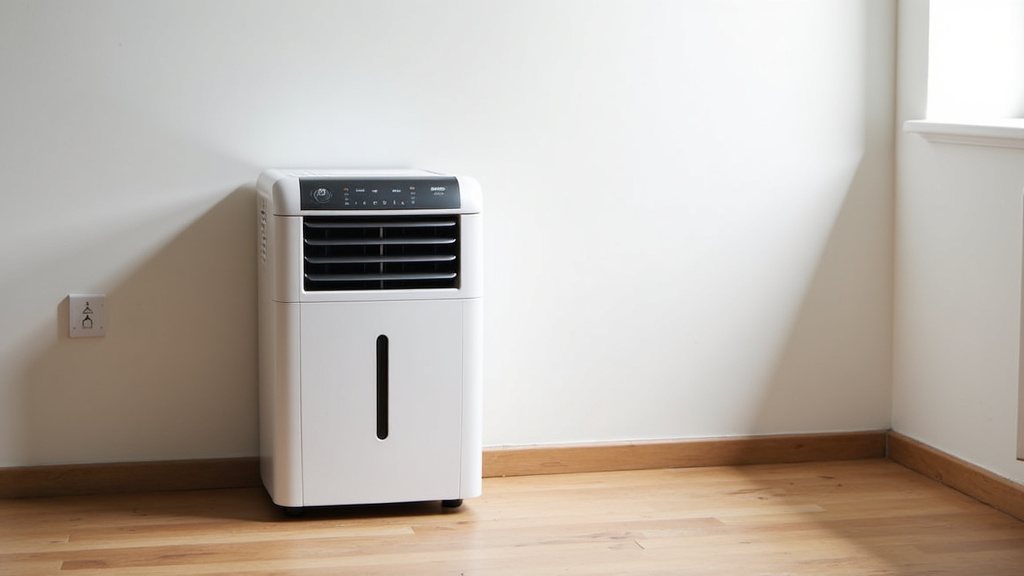
Choosing the best dehumidifier for your rental doesn’t have to be complicated. Our research points to a 30-pint, Energy Star certified unit as your best bet. It offers the perfect balance of power, efficiency, and portability for most apartments. Prioritizing low noise levels and manageable water tanks will further enhance your living experience.
By focusing on these key features, you’ll find a unit that effectively tackles humidity without draining your wallet or causing inconvenience. You’re now equipped to make an informed decision and enjoy a more comfortable, healthier home.
Frequently Asked Questions
How can I tell if my rental apartment needs a dehumidifier?
You likely need one if you notice condensation on windows, a musty odor, or your clothes feel damp. High humidity often causes sticky floors, peeling paint, or even mildew growth in bathrooms and closets.
Will a dehumidifier significantly increase my electricity bill?
An Energy Star certified unit will use less power, but there will be an increase. The exact cost depends on your local electricity rates and how often it runs. Many users find the improved comfort and health benefits outweigh the modest operating cost.
Can I use a dehumidifier in just one room, or does it need to cover the whole apartment?
For most renters, placing a 30-pint dehumidifier in the dampest area, like a bedroom or living room, is effective. It will reduce humidity in that space, and to some extent, in adjacent open areas. You can also move it between rooms as needed.
What’s the ideal humidity level I should aim for in my apartment?
You should aim for an indoor humidity level between 40% and 50%. This range is comfortable for most people and helps prevent the growth of mold, mildew, and dust mites. Most dehumidifiers allow you to set your target humidity.
Are there any maintenance tasks for dehumidifiers I should know about?
Yes, regular maintenance is simple. You’ll need to clean or replace the air filter every few weeks, depending on use. Also, periodically clean the water collection bucket to prevent mold or mildew buildup. This keeps your unit running efficiently.