
Is It Safe to Put a Dehumidifier Near a Bed?

Yes, it is generally safe to put a dehumidifier near your bed, as long as you follow a few simple guidelines. These devices are designed to improve air quality and can make sleeping more comfortable. Proper placement ensures you get the best results without any risks.
When using a dehumidifier in your bedroom, think about its main job: removing excess moisture. This can help reduce stuffiness and create a more pleasant sleeping environment. You’ll want to consider factors like noise levels and ensuring the unit has enough If noise is a concern, consider a quiet dehumidifier for your bedroom.space to operate efficiently.
- Dehumidifiers are usually safe to place near your bed.
- Proper placement is key for effectiveness and safety.
- Consider noise and airflow when deciding where to put it.
- It helps reduce excess moisture for better sleep.
Let’s walk through exactly how to position your dehumidifier for optimal comfort and safety in your bedroom.
Safely Positioning Your Dehumidifier Near Your Bed
Yes, it’s generally quite safe to place your dehumidifier near your bed. Most people find it a great way to improve their sleep environment. You just need to know a few things to make sure it’s working its best and staying safe. We’ll guide you through the best practices.
Understanding Dehumidifier Placement: What You Need to Know
Your dehumidifier’s main job is to pull moisture out of the air. When you have too much humidity, it can make your bedroom feel stuffy. This can lead to discomfort, making it harder to fall asleep and stay asleep. Placing your unit smartly can help you get that dry, comfortable air right where you need it most – near your bed. Understanding the best humidity setting for your bedroom can enhance comfort and safety.
The Importance of Airflow for Dehumidifier Efficiency
Think of your dehumidifier like a little air vacuum. It needs space to breathe and suck in that moist air. If you cram it into a corner or block its vents, it’s going to struggle. It won’t be able to do its job effectively. This means the room stays humid, and your dehumidifier works harder than it needs to. This can also lead to the unit overheating, which is definitely not something you want happening while you sleep.
Recommended Clearance Around the Unit
Most manufacturers suggest leaving about 6 to 12 inches of clear space around your dehumidifier. This allows for proper air intake and exhaust. Check your user manual for specific recommendations for your model. This space ensures air can freely circulate, helping the dehumidifier collect moisture efficiently. It also prevents the unit from getting too hot.
Avoiding Obstructions
So, what exactly should you avoid placing near your dehumidifier? This includes things like curtains, blankets, and piles of clothes. Even furniture can block the airflow if it’s too close. Imagine trying to breathe through a pillow – it’s not easy! Your dehumidifier feels the same way. Keeping these items away helps it run smoothly and quietly.
Noise Considerations for Your Bedroom Dehumidifier
Dehumidifiers do make noise. They have fans and compressors that create sound. If you’re a light sleeper, placing the unit too close to your head might be disruptive. Many newer models are designed to be quieter, but even they have some background hum. It’s a good idea to test the noise level before deciding on the final spot.
Finding a Balance: Quiet Operation
Some dehumidifiers are naturally quieter than others. Those with a higher decibel (dB) rating will be more noticeable. If noise is a big concern for you, look for models that advertise quiet operation or have specific low-noise settings. You might also consider placing the unit a bit further away, on a rug or carpet, to help absorb some of the sound.
Using the Dehumidifier as a White Noise Machine
Interestingly, for some people, the gentle hum of a dehumidifier can actually be a good thing! It can act as a form of white noise. This can help mask other distracting sounds, like traffic or neighbors. If you find yourself easily woken up by small noises, the steady drone of your dehumidifier might just lull you to sleep.
Safety First: Electrical and Water Considerations
While generally safe, dehumidifiers do involve electricity and water. You need to be mindful of this, especially in a bedroom environment. Proper setup and maintenance are key to preventing any issues.
Managing the Water Collection
Dehumidifiers collect water in a tank. This tank needs to be emptied regularly. If it gets too full, most units have an automatic shut-off feature. This prevents overflows. However, you don’t want to rely solely on this. Regularly emptying the tank is essential for hygiene and prevents potential water damage. Some units can also be connected to a drain hose for continuous drainage, which is very convenient.
Preventing Mold and Mildew in the Tank
That collected water can become a breeding ground for mold and bacteria if left sitting too long. This defeats the purpose of having a dehumidifier! You should aim to empty the tank at least every few days, or more often if your unit is running a lot. Clean the tank periodically according to the manufacturer’s instructions. This keeps the air you breathe clean.
Electrical Safety and Cord Management
Like any electrical appliance, your dehumidifier needs to be plugged into a properly grounded outlet. Avoid using extension cords if possible, as they can sometimes overheat. Ensure the power cord is not frayed or damaged. Keep the cord tidy and out of the way so you don’t trip over it in the dark. This is especially important near a bed where you might be moving around without much light.
Checking for Damage and Wear
Before placing your dehumidifier, give it a quick look-over. Are there any visible signs of damage to the casing or the cord? If you see anything concerning, it’s best to have the unit repaired or replaced before using it. Safety should always be your top priority.
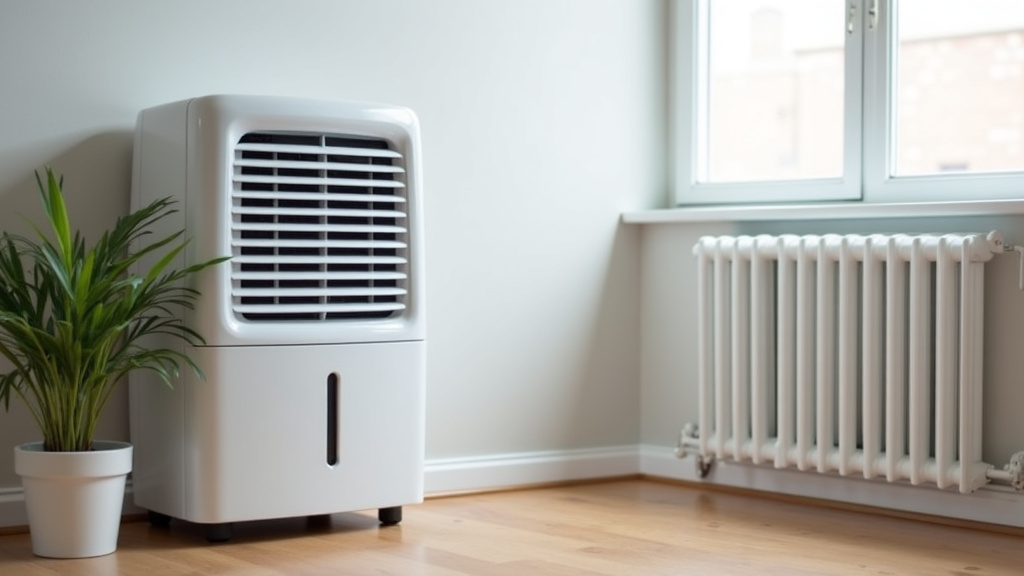
Optimizing Your Bedroom Environment with a Dehumidifier
Placing your dehumidifier near your bed can really make a difference in your sleep quality. When you get the positioning right, you’ll notice a more comfortable, breathable atmosphere.
Ideal Placement Zones Near Your Bed
Consider placing the dehumidifier on the floor beside your bed, but not directly against the wall. About a foot away is often a good starting point. If you have a nightstand, you might be able to place it there, provided there’s enough clearance around the unit. The goal is to have the dehumidified air flow towards you without being obstructed.
Testing Different Locations
Don’t be afraid to experiment a little. You might find that placing it on one side of the bed works better than the other. You could also try it at the foot of the bed. Pay attention to how the air feels and any noise levels. What works best can depend on your room layout and your personal preferences.
When to Consider Not Placing it Directly Beside Your Bed
If you have very limited space, or if the unit is particularly noisy, you might need to place it a little further away. It could be in a corner of the room, or even just outside your bedroom door. The air will still circulate and eventually reach your bed. It might just take a little longer to feel the full effect. Many experts suggest that as long as the dehumidifier is within the same room, it will effectively reduce the overall humidity. The key is to ensure continuous operation and proper airflow throughout the space.
A Quick Checklist for Safe Dehumidifier Placement
Here’s a simple checklist to ensure you’re setting up your dehumidifier safely and effectively near your bed:
- Ensure at least 6-12 inches of clear space around the unit.
- Keep curtains, blankets, and furniture away from the vents.
- Check the power cord for any damage.
- Use a grounded electrical outlet.
- Empty the water tank regularly.
- Clean the tank and filter as recommended by the manufacturer.
Conclusion
You’ve learned that placing a dehumidifier near your bed is generally safe and beneficial. Proper placement focuses on airflow, noise, and electrical safety. By leaving adequate space around the unit, managing water collection, and securing cords, you create a healthy sleeping environment. Remember to consult your manual for specific recommendations.
Take a moment to review your current setup. Implementing these simple steps will help you enjoy the comfort a dehumidifier brings, ensuring you breathe easier all night long. Get started by checking the clearance around your unit today!
Frequently Asked Questions
Can a dehumidifier make my bedroom too dry?
Yes, it’s possible to over-dry your room if the dehumidifier runs constantly or is set too low. Over-drying can lead to dry skin, a sore throat, or static electricity. Many modern units have adjustable humidistats, allowing you to set a target humidity level, typically between 40-60%.
Is it safe to run a dehumidifier all night?
It is generally safe to run your dehumidifier all night, especially if it has an automatic shut-off feature for when the tank is full. This ensures continuous humidity control for better sleep. Just make sure the unit is placed safely away from bedding and electrical cords are managed properly.
What should I do if my dehumidifier is too noisy for my bedroom?
If noise is an issue, first try placing the unit on a rug or carpet to absorb some sound. Ensure it’s not vibrating against any furniture. You might also consider models specifically designed for quiet operation or use a white noise machine to mask the sound.
How often should I clean my dehumidifier’s water tank?
You should aim to empty and clean the water tank regularly, ideally every few days to a week, depending on how much moisture your unit is collecting. This prevents mold and mildew growth, ensuring the air it expels remains clean and healthy for your bedroom.
Can a dehumidifier be placed on a nightstand?
Yes, you can place a dehumidifier on a nightstand if there is enough clearance around the unit. Most manufacturers recommend at least 6 to 12 inches of space on all sides for proper airflow. Always check your user manual for specific placement guidelines for your model.
