What Is the Best Humidity Setting for a Bedroom?
On this page (5 sections)
For most people, the best humidity setting for a bedroom is between 40% and 60%. This range helps you sleep comfortably and keeps your home healthy. Going too far outside this range can cause problems for you and your belongings.
You want to avoid humidity that is too low, perhaps below 30%. You also want to avoid humidity that is too high, above 70%. Finding that sweet spot helps your body feel good and keeps your bedroom feeling fresh. We found that many experts agree on this ideal range for comfort and health.
- Ideal Range: Aim for 40-60% relative humidity.
- Health Benefits: Reduces dry skin, respiratory issues, and allergies.
- Home Protection: Prevents mold, mildew, and wood damage.
- Comfort: Helps you sleep better and feel more relaxed.
- Tools: Use a hygrometer to measure humidity.
Getting your bedroom humidity right can make a big difference in your daily life. Let’s explore why this range is ideal and how you can achieve it for a truly restful space.
Understanding Your Bedroom’s Ideal Humidity Level
Maintaining the right humidity level in your bedroom is more than just a comfort preference; it’s a health and home protection strategy. We found that most experts agree that a relative humidity (RH) between 40% and 60% is optimal for your sleep environment.
Why this specific range? Think of it like a perfectly balanced seesaw. Too low, and things get dry. Too high, and things get damp. Our bodies and homes thrive in that pleasant middle ground.
The Impact of Too-Low Humidity
Have you ever woken up with a scratchy throat or dry skin? Low humidity, typically below 30%, is often the culprit. It pulls moisture from your body and your surroundings, creating a drying effect.
Health Problems from Dry Air
When your bedroom air is too dry, it can lead to a host of uncomfortable issues. Your mucous membranes, which protect your respiratory system, can become irritated. This leaves you more vulnerable to colds and flu (National Institutes of Health).
- Dry Skin and Hair: You might notice your skin feels tight, flaky, or itchy. Your hair can also become brittle.
- Irritated Sinuses and Throat: The dryness can inflame your nasal passages and throat, leading to discomfort and even nosebleeds.
- Worsened Allergies and Asthma: For those with respiratory sensitivities, dry air can aggravate symptoms, making breathing more difficult.
- Static Electricity: Remember those shocking touches when you move around? Dry air increases static buildup.
Household Damage from Dry Air
It’s not just your body that suffers from low humidity. Your home can too. Many common household items are sensitive to moisture levels.
- Wood Damage: Furniture, hardwood floors, and even musical instruments can dry out, crack, or warp. This is because wood naturally expands and contracts with changes in moisture.
- Peeling Paint and Wallpaper: Extremely dry conditions can cause paints to crack and wallpaper to peel away from the walls.
- Increased Dust: Dry air allows dust particles to stay suspended longer, floating around instead of settling, which can be bad for allergy sufferers.
The Pitfalls of Too-High Humidity
On the flip side, what happens if your bedroom feels like a tropical rainforest? Humidity levels above 60% might feel sticky and uncomfortable. Importantly, they create an ideal environment for unwelcome guests.
Health Risks from Damp Air
High humidity often goes hand-in-hand with poor air quality. Imagine a steamy bathroom that never quite dries out – that’s a clue to the problems high humidity presents.
- Mold and Mildew Growth: These fungi thrive in damp conditions. Their spores can trigger allergies, asthma attacks, and other respiratory problems (Centers for Disease Control and Prevention).
- Dust Mite Proliferation: Dust mites love warm, humid environments. They are a common trigger for allergies and asthma.
- Heat Stress: High humidity makes the air feel warmer than it is, because your sweat can’t evaporate efficiently to cool you down. This can disrupt sleep.
- Bacterial and Viral Growth: Many harmful microorganisms multiply faster in humid conditions, increasing your risk of infections.
Home Degradation from Damp Air
Your property can also take a hit from consistently high humidity. It can impact the very structure and integrity of your home.
- Structural Damage: Excess moisture can lead to wood rot, weakening structural components over time.
- Pest Infestations: Insects like cockroaches, silverfish, and termites are attracted to damp areas.
- Musty Odors: A persistent unpleasant smell often indicates the presence of mold or mildew, even if you can’t see it.
- Condensation: You might notice water droplets forming on windows or cold surfaces, which further encourages mold and can damage sills and frames.
How to Measure and Adjust Your Bedroom’s Humidity
So, you understand the “why.” Now, let’s talk about the “how.” Measuring and adjusting your bedroom’s humidity is pretty straightforward. You don’t need fancy equipment, just a simple tool and perhaps an appliance or two.
The Role of a Hygrometer
Think of a hygrometer as a thermometer for humidity. This small, affordable device tells you the relative humidity percentage in your room. It’s your starting point for any adjustments.
You can buy a standalone digital hygrometer, or often, smart thermostats and weather stations include this function. Place it in the center of your bedroom, away from direct sunlight or vents, for the most accurate reading.
Increasing Humidity: When the Air is Too Dry
If your hygrometer consistently reads below 40%, you’ll want to add some moisture back into the air. This is where humidifiers shine.
| Humidifier Type | How It Works | Pros | Cons |
|---|---|---|---|
| Cool Mist | Releases a room-temperature mist; safe for children/pets. | No hot water hazard; energy efficient. | Can be noisy; requires regular cleaning to prevent mold. |
| Warm Mist | Boils water to create a warm, sterile vapor. | Kills bacteria/mold in the reservoir; feels soothing for colds. | Energy intensive; hot water can be a burn risk. |
| Evaporative | Uses a fan to blow air through a wet wick filter. | Self-regulating (adds less moisture when air is saturated); uses less energy. | Wick filters need replacement; can be noisy. |
| Ultrasonic | Uses high-frequency vibrations to create a fine mist. | Very quiet operation; cool mist. | Produces “white dust” if using hard water; requires distilled water. |
Tips for Using a Humidifier
- Clean Regularly: This is critical! Humidifiers can become breeding grounds for mold and bacteria if not cleaned every few days.
- Use Distilled Water: Especially with ultrasonic humidifiers, distilled water prevents “white dust” (mineral deposits) from spreading into your air and onto surfaces.
- Don’t Overdo It: Keep checking your hygrometer to stay within that 40-60% range. Too much humidity can create new problems.
- Consider a Humidistat: Many humidifiers come with a built-in humidistat that automatically turns the unit on and off to maintain a set humidity level. This is a game-changer for convenience.
Lowering Humidity: When the Air is Too Damp
If your hygrometer shows readings above 60%, it’s time to remove some moisture. Dehumidifiers are your best friend here, and these ways to lower bedroom humidity can help.
Dehumidifiers to the Rescue
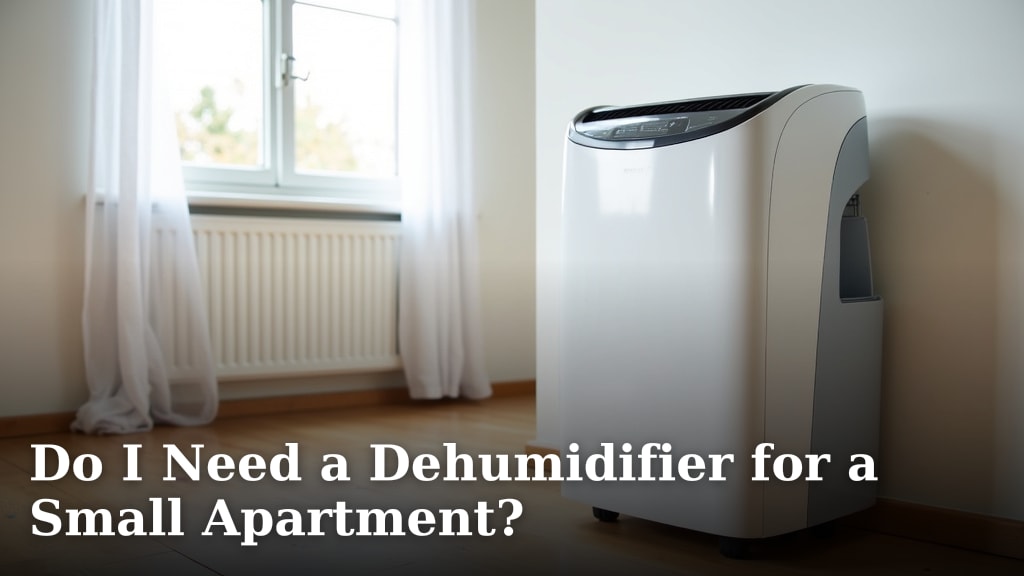
Dehumidifiers work by drawing in moist air, cooling it over coils to condense water out of it, and then releasing drier air back into the room. The collected water drips into a reservoir that you’ll need to empty.
- Room Size Matters: Choose a dehumidifier appropriate for the size of your bedroom. They are rated by pints of moisture removed per day.
- Placement: Place it in an area where air can circulate freely around it, not tucked into a corner.
- Empty Regularly: Just like humidifiers, the water reservoir needs frequent emptying. Some models have a continuous drain option if you have a floor drain nearby.
Other Ways to Reduce Humidity
Besides a dehumidifier, you can make some lifestyle adjustments to keep humidity in check:
- Ventilate: Open windows for a short period on dry days. Use exhaust fans in bathrooms and kitchens.
- Fix Leaks: Even small water leaks can contribute significantly to indoor humidity.
- Run Your AC: Air conditioners naturally remove moisture from the air as they cool.
- Avoid Drying Laundry Indoors: Hanging wet clothes in your bedroom adds a lot of moisture to the air.
- Houseplants: Some plants release moisture into the air. If humidity is already high, consider moving them elsewhere or reducing their numbers.

A Checklist for Your Ideal Bedroom Environment
Getting your bedroom humidity just right is an ongoing process, not a one-time fix. Here’s a quick checklist to help you stay on track and ensure you’re maintaining that perfect sleep sanctuary.
- Invest in a reliable hygrometer and place it properly.
- Identify if your main issue is too low or too high humidity.
- Choose the right humidifier or dehumidifier for your needs.
- Clean your humidifier regularly (daily/weekly as needed).
- Empty your dehumidifier’s water tank when it’s full.
- Adjust settings seasonally and as outdoor weather changes.
By following these steps, you’ll create a bedroom environment that not only feels fantastic but also supports your health and protects your home. Sweet dreams!
Conclusion
You’ve seen how important bedroom humidity is for your health and home. Maintaining that sweet spot between 40%-60% isn’t just about comfort; it’s a practical step for well-being. Avoiding extremes means fewer dry skin issues, less mold, and better sleep. We found that a little attention to your air quality goes a long way.
By using a simple hygrometer and adjusting with a humidifier or dehumidifier, you can create your ideal sleep sanctuary. Take control of your bedroom air today and enjoy the benefits of a perfectly balanced environment.
Frequently Asked Questions
Can pets in the bedroom affect humidity levels?
Yes, pets can slightly increase humidity through their breathing and activities. While their impact is usually minor, a very damp-sensitive space or multiple pets might see a noticeable change.
How does bedding material relate to bedroom humidity?
Certain bedding materials, especially synthetics, can trap moisture. Natural fibers like cotton or linen are more breathable and can help your body regulate temperature better, which is related to perceived humidity.
Should I adjust humidity settings when I’m sick?
When you have a cold or respiratory illness, slightly higher humidity (closer to 60%) can often soothe irritated nasal passages and a sore throat. Always monitor with your hygrometer to prevent going too high.
Does keeping bedroom doors open or closed impact humidity?
Keeping your bedroom door closed helps maintain its specific humidity level, especially if you’re using a humidifier or dehumidifier. An open door allows air from other parts of your home to influence its environment.
How long does it take to change a room’s humidity?
Changing a room’s humidity depends on the appliance’s power, room size, and current conditions. You might see noticeable changes within a few hours, but larger adjustments can take a day or two of continuous operation.