What Is the Best Humidity Setting for a Basement?
On this page (3 sections)
The best humidity setting for a basement is generally between 30% and 50% relative humidity. Keeping your basement within this range helps prevent problems like mold growth and musty odors, while also protecting your home’s structure and contents from excessive dampness or dryness.
Maintaining proper basement humidity levels is more important than you might think. We found that too much moisture can cause health issues and property damage, while too little can be uncomfortable and even damage wood. Finding that sweet spot for humidity makes a big difference.
- Aim for 30-50% relative humidity.
- Prevents mold and mildew.
- Protects wood and other materials.
- Avoids overly dry air problems.
- Improves overall air quality.
You want a comfortable and safe basement, right? Let’s walk through exactly how to achieve the ideal humidity level in your home’s lowest living space.
Finding the Ideal Humidity Range for Your Basement
You want your basement to be a safe and healthy environment, right? The ideal humidity range for your basement is between 30% and 50% relative humidity. This sweet spot prevents problems while keeping your home comfortable.
Why 30-50% RH Is the Sweet Spot
Maintaining humidity within this range is a balancing act. Too high, and you invite mold. Too low, and you risk other issues. We found that this narrow window offers the most benefits for your health and home.
The Dangers of High Humidity (Above 50%)
Many homeowners struggle with damp basements. When humidity levels consistently stay above 50%, you’re creating a perfect breeding ground. This is where unwanted guests like mold and mildew thrive.
- Mold Growth: Mold needs moisture to grow. High humidity provides that moisture, often leading to visible mold on walls, floors, and personal items.
- Unpleasant Odors: A “musty” smell is a classic sign of mold or mildew. It means your basement has too much moisture.
- Structural Damage: Excess moisture can warp wooden beams, damage drywall, and even degrade insulation over time. This compromises your home’s integrity.
- Pest Infestations: Damp environments are attractive to pests like dust mites, cockroaches, and silverfish. They love moisture just as much as mold does.
- Health Issues: Mold spores can trigger allergies, asthma attacks, and other respiratory problems (CDC). We found many people feel better once basement humidity is controlled.
The Problems with Low Humidity (Below 30%)
While less common in basements, humidity that is too low also creates problems. It might seem like a good idea to dry out the air, but extremes are never good.
- Wood Damage: Low humidity can cause wooden furniture, floorboards, and structural elements to dry out, crack, or shrink. Think of a dry desert, not a comfortable home.
- Discomfort: Dry air can irritate your skin, eyes, and nasal passages. You might notice dry throats or increased static electricity.
- Cracked Paint: Paint can sometimes crack or peel in excessively dry conditions.
Reading Your Basement’s Humidity Levels
How do you know what your basement’s humidity is right now? You can’t just guess. You need a tool to measure it accurately.
Understanding Relative Humidity
Relative humidity (RH) tells you how much water vapor is in the air compared to the maximum it can hold at a certain temperature. So, 50% RH means the air holds half the moisture it could hold at that temperature. It’s a key number for home comfort.
Using a Hygrometer to Measure Humidity
A hygrometer is the essential tool for this task. It’s affordable and easy to use. You can find simple digital ones that give you a constant reading.
- Placement is Key: Don’t place it right next to a vent or window. Put it in a central part of your basement, away from direct airflow.
- Check Regularly: Glance at your hygrometer daily, especially when seasons change or after heavy rain. This helps you catch problems early.
Achieving the Right Basement Humidity
So, you’ve measured your humidity, and it’s not in the ideal 30-50% range. What do you do next? Don’t worry, there are several effective strategies.
When Humidity Is Too High: Dehumidification
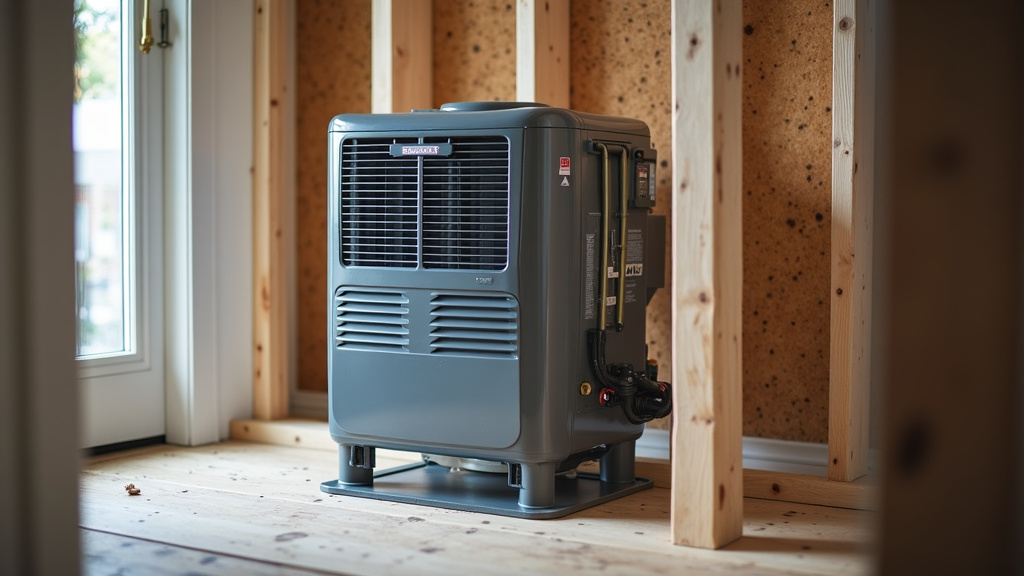
If your basement feels damp or a hygrometer shows readings consistently above 50%, you need to remove moisture from the air. This is where a good dehumidifier comes in. Think of it like a sponge for your air.
- Invest in a Quality Dehumidifier: Choose a unit sized for your basement’s square footage. Larger basements need more powerful machines. Look for features like a built-in humidistat and continuous drain option.
- Proper Placement: Place it in the dampest area, but make sure there’s enough space around it for air circulation.
- Check for Leaks: Before running a dehumidifier continuously, check for any obvious water leaks from pipes, foundation cracks, or window wells. Fix these first; they are primary moisture sources.
- Improve Ventilation: Sometimes, simply improving airflow can help. Open windows or use fans on dry days, but be careful not to bring in humid outdoor air.
- Seal Cracks: Seal any cracks in your foundation walls or floors. This helps prevent moisture from seeping in from the soil.
- Ensure Proper Drainage Outside: Make sure your exterior gutters and downspouts direct water away from your foundation. This is a common culprit for basement dampness.
When Humidity Is Too Low: Humidification (Rare)
It’s rare for basements to be too dry, especially if they are below ground. However, if you have a finished basement with a furnace, or live in a very arid climate, it can happen. A humidifier would be the answer here.
We found that most people only need humidifiers in their main living spaces, not typically in basements. Your basement’s natural environment often provides enough moisture.
Here’s a quick comparison of when you might need to adjust your basement’s humidity:
| Humidity Level | Basement Feeling | Required Action |
|---|---|---|
| Above 50% | Damp, Clammy, Musty | Dehumidify (remove moisture) |
| 30% – 50% | Comfortable, Dry | Maintain (no action needed) |
| Below 30% | Dry, Stuffy, Static | Humidify (add moisture, rare for basements) |
Long-Term Strategies for Basement Humidity Control
Controlling humidity isn’t a one-time fix. It requires ongoing attention. Think of it as part of regular home maintenance. You want a lasting solution, not just a temporary patch.
Continuous Monitoring and Adjustment
Keep that hygrometer working for you. You’ll need to adjust your dehumidifier settings as the seasons change. Summers are generally more humid, requiring more consistent dehumidifier use. Winters might allow you to turn it down or off.
Addressing the Root Causes of Moisture
Often, high basement humidity points to a bigger issue. Simply running a dehumidifier without fixing the source is like bailing water from a leaky boat without patching the hole. You need to fix the leak!
- Gutters and Downspouts: Ensure they are clean and direct water at least 5-10 feet away from your foundation (U.S. Department of Energy).
- Land Grading: The ground around your house should always slope away from the foundation, not towards it. This helps channel rainwater away.
- Foundation Sealing: Have you checked for cracks in your foundation? Even small ones can allow significant moisture intrusion. Professional sealing can make a big difference.
- Sump Pump: If you have one, ensure it’s working correctly and its discharge pipe directs water far away from your house.
- Interior Drainage Systems: For persistent issues, an interior drainage system (like a French drain) might be necessary to collect water before it enters your basement space.
Checklist for Optimal Basement Humidity
Ready to get your basement humidity under control? Follow this simple checklist:
- Get a reliable hygrometer.
- Measure your basement’s current humidity.
- Inspect for any visible water leaks or moisture sources.
- Ensure outside drainage directs water away from your foundation.
- Use a dehumidifier if humidity is over 50%.
- Monitor and adjust settings seasonally.
Conclusion
Finding that ideal 30-50% humidity range in your basement is truly transformative for your home. It’s about more than just comfort; you’re actively safeguarding your property from mold, structural damage, and unwelcome pests. By staying proactive, using a hygrometer, and addressing any moisture sources, you create a healthier living space.
We found that consistent monitoring and the right tools make all the difference. Take control of your basement’s environment today. Your home—and your health—will thank you for it.
Frequently Asked Questions
What are the immediate signs of high humidity in a basement?
You’ll likely notice a musty odor first, which often signals mold or mildew growth. Additionally, the air can feel heavy and damp, and you might see condensation on pipes or cold surfaces, even without visible leaks.
Can a finished basement have different humidity needs than an unfinished one?
Generally, the optimal humidity range remains the same (30-50% RH) for both. However, finished basements often have more wood, textiles, and furniture that are more susceptible to damage from extreme humidity levels than an unfinished concrete space.
How does outdoor weather affect my basement’s humidity?
Outdoor humidity dramatically impacts your basement. During humid summers, outside air can seep in through cracks and open windows, raising indoor humidity. Conversely, very dry winter air can sometimes, though rarely, pull moisture out of your basement.
Is it okay to sometimes let the humidity go above 50% for a short period?
Occasional, brief spikes above 50% RH might not cause immediate issues, but consistent levels above this threshold are problematic. Mold can start to grow within 24-48 hours once conditions are right, so it’s best to maintain the ideal range as much as possible.
Should I run my basement dehumidifier all year round?
It depends on your climate and basement. In many regions, you’ll need to run it primarily during warmer, more humid months. During dry winter periods, you might be able to turn it off or set it to a higher humidity target, like 50%.