
How Long Does a Dehumidifier Last?
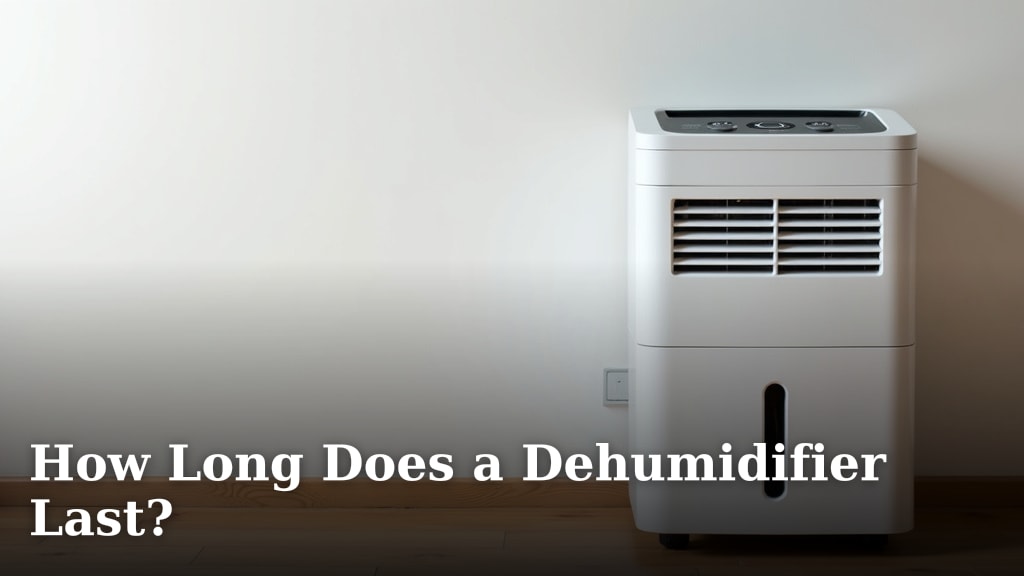
A dehumidifier typically lasts between 5 to 15 years. The actual lifespan depends on factors like build quality, how often it runs, and proper maintenance. So, while they aren’t usually a “set it and forget it” appliance, many can serve you faithfully for quite some time.
When your dehumidifier starts showing signs of wear, it’s good to know what to expect. Many factors influence its longevity, from the brand you choose to how consistently you care for it. We’ve researched what impacts a dehumidifier’s life, so you’re not caught off guard.
- Lifespan: Expect 5-15 years, generally.
- Factors: Quality, usage, and maintenance matter most.
- Signs of Age: Reduced effectiveness or strange noises.
- Maintenance: Regular cleaning is key.
Below, we’ll break down how long you can expect your dehumidifier to last and what you can do to help it along. Let’s get your questions answered.
You’ve got your dehumidifier running, and it’s doing a great job keeping your air comfortable. But you might be wondering, “How long will this thing actually last?” It’s a fair question. You don’t want to invest in an appliance only to have it die on you too soon. Let’s look at what influences your dehumidifier’s lifespan and what you can do to get the most out of it.
Understanding Your Dehumidifier’s Working Life
When we talk about how long a dehumidifier lasts, we’re usually referring to its operational life. This is the period during which it functions effectively and reliably. Most units are designed for a decent run time. We found that the average lifespan falls within a wide range.
The Typical Dehumidifier Lifespan
You can generally expect your dehumidifier to last between 5 to 15 years. This is a broad window, and your specific unit’s duration will depend on several key factors. Some high-quality models might even exceed this range with excellent care. Others, built with less durable components, might fall on the shorter end. It’s like cars; some last longer than others based on make, model, and how they’re driven.
Factors Affecting Longevity
Several things play a big role in determining how long your dehumidifier will keep chugging along. Think of it as a combination of how well it was made, how much you use it, and how you treat it.
Build Quality and Brand Reputation
Not all dehumidifiers are created equal. We discovered that brands known for producing durable appliances tend to offer units with longer lifespans. Higher-quality components and better manufacturing processes mean the internal parts are less likely to fail prematurely. Cheaper models might cut corners on materials, leading to a shorter functional life. It’s often worth investing a bit more upfront for a unit that’s built to last.
Usage Patterns: How Much is Too Much?
A dehumidifier that runs constantly in a very humid environment will naturally experience more wear and tear than one used only occasionally or in moderately humid conditions. If your unit is constantly working overtime, its components will age faster. We found that A dehumidifier that runs constantly can shorten its lifespan, so learn about heavy usage.heavy usage can shorten the lifespan by a few years. Consider if your dehumidifier is appropriately sized for your space; an undersized unit will have to run much longer to do its job.
Environmental Conditions
Where you place your dehumidifier also matters. If it’s in a dusty area, the coils can get clogged more easily. If it’s in a very cold space, it might not perform optimally and could struggle. These conditions can put extra strain on the machine. We recommend placing your dehumidifier in a well-ventilated area, away from direct sources of dust or extreme temperatures.
Signs Your Dehumidifier Might Be on Its Last Legs
Even the best dehumidifiers won’t last forever. Knowing the signs of aging can help you prepare for a replacement before your unit completely gives up the ghost. This way, you won’t be caught off guard by a sudden breakdown.
Decreased Effectiveness
One of the most obvious signs is that your dehumidifier simply isn’t removing moisture as well as it used to. You might notice higher humidity levels in your home, even when the unit is running. The bucket might not be filling up as quickly, or the air might still feel damp. This indicates that the compressor or other key components may be weakening.
Unusual Noises or Smells
Is your dehumidifier suddenly making strange sounds? Grinding, rattling, or humming noises that weren’t there before can signal internal problems. Similarly, if you detect a burning smell, turn the unit off immediately. These are red flags that something is wrong and potentially unsafe. Strange noises are often a sign of motor issues or fan problems.
Increased Energy Consumption
An aging dehumidifier might have to work harder to achieve the same results. This can lead to a noticeable increase in your electricity bill. If you haven’t changed any other habits and your energy usage has gone up, your dehumidifier could be the culprit. Many experts say older appliances are often less energy-efficient. An aging dehumidifier might lead to an increase in your electricity bill, so understand their energy use.
Frequent Cycling or Shutting Off
If your dehumidifier is constantly turning on and off, or if it shuts off unexpectedly and won’t restart, it’s a sign of trouble. This could be due to an overheating motor, a faulty thermostat, or other internal malfunctions. It’s a clear indication that the unit is struggling to maintain its operation.
Maximizing Your Dehumidifier’s Lifespan: Maintenance Matters!
The good news is that you can do a lot to help your dehumidifier last longer. Regular, simple maintenance is key. Think of it like regular tune-ups for your car – they keep things running smoothly for miles to come. We found that consistent care can significantly extend a unit’s operational life.
Regular Cleaning of Filters and Coils
This is perhaps the most critical maintenance task. A dirty filter restricts airflow, making the unit work harder and leading to overheating. Clean or replace the filter according to the manufacturer’s instructions, usually every few weeks to a month. The coils also need cleaning. Dust and debris build-up act as an insulator, reducing efficiency. You can often clean coils gently with a soft brush or a vacuum cleaner attachment. We found that clean filters are essential for optimal performance.
Emptying the Water Tank Properly
Ensure the water tank is emptied regularly. If your unit has an auto-shutoff feature when the tank is full, this prevents overflow. However, letting the tank get completely full and heavy repeatedly can put stress on the unit. If you have a continuous drain hose, make sure it’s not kinked and is draining effectively. Keeping the tank clear is a simple but important step.
Ensuring Proper Ventilation
Don’t block the air intake or exhaust vents. Your dehumidifier needs space around it to circulate air properly. Pushing it too close to walls or furniture can impede airflow. This forces the motor to work harder and can lead to overheating, shortening its lifespan. We recommend at least 6-12 inches of clearance around the unit.
Periodic Professional Check-ups
For larger or more expensive units, consider an annual check-up by a qualified technician. They can identify potential issues before they become major problems. This is especially true if you notice any of the warning signs mentioned earlier. While not always necessary for smaller, portable units, it can be a wise investment for whole-house systems.
Dehumidifier Maintenance Checklist
Here’s a quick rundown of what you should be doing regularly:
- Check and clean or replace the air filter every 2-4 weeks.
- Wipe down the exterior of the unit weekly.
- Ensure the water collection tank is emptied promptly.
- Check that the drain hose (if used) is not blocked or kinked.
- Keep at least 6 inches of space around the unit for proper airflow.
- Listen for any unusual noises or smells – investigate immediately.
When It’s Time for a Replacement
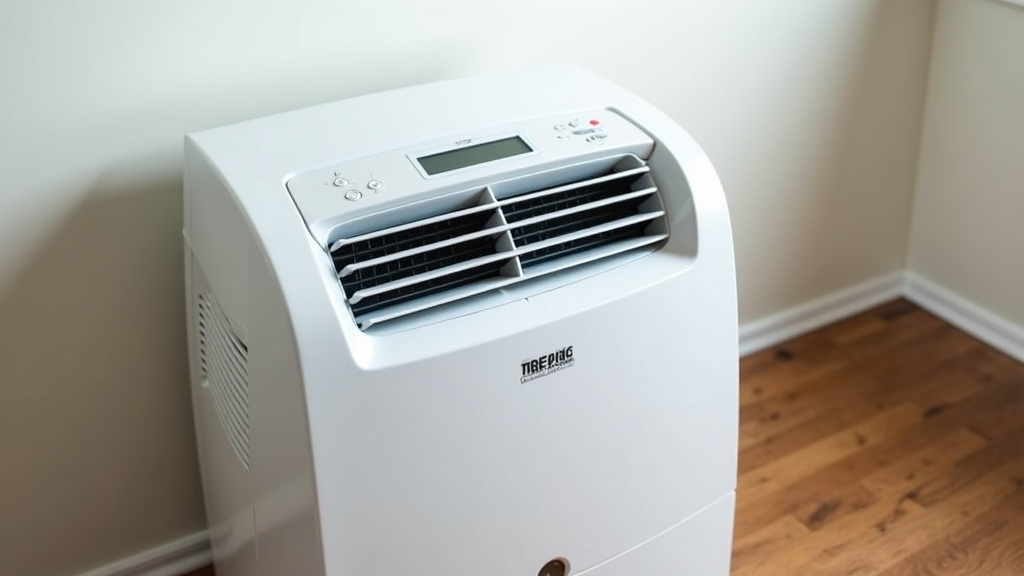
Sometimes, despite your best efforts, a dehumidifier reaches the end of its natural life. If your unit is consistently underperforming, making concerning noises, or costing too much to run, it’s probably time to start shopping for a new one. Replacing an aging dehumidifier can restore your home’s comfort and prevent potential energy waste or even damage from malfunctions. You’ve given it a good run, and it’s okay to let it retire.
Conclusion
You’ve learned that your dehumidifier’s lifespan, typically 5 to 15 years, hinges on quality, usage, and care. Regular maintenance, like cleaning filters and ensuring proper ventilation, is your best bet for maximizing its operational life. Watch for signs of aging like decreased effectiveness or strange noises, which signal it might be time for a replacement. By understanding these factors and being diligent with care, you can keep your home comfortable and your appliance running efficiently for as long as possible. Your next step is to review your current dehumidifier’s maintenance routine and schedule any needed cleanings.
Frequently Asked Questions
Can dehumidifier lifespan be extended with good maintenance?
Yes, absolutely. Consistent maintenance, such as regularly cleaning filters, coils, and ensuring proper airflow, can significantly extend your dehumidifier’s operational life. Think of it like regular car maintenance; it prevents small issues from becoming big problems.
What’s the difference in lifespan between portable and whole-house dehumidifiers?
Generally, whole-house dehumidifiers, being larger and more robustly built, might have a slightly longer average lifespan than smaller portable units. However, both types benefit greatly from proper care and can last many years.
Is a dehumidifier that runs constantly going to break sooner?
A dehumidifier that runs continuously, especially in very humid conditions, will experience more wear and tear on its components, like the compressor and fan motor. This increased usage can shorten its overall lifespan compared to a unit used less frequently.
Should I worry if my dehumidifier is making new noises?
Yes, new or unusual noises like grinding, rattling, or loud humming are a definite sign that something is wrong internally. It’s best to investigate these sounds immediately, as they could indicate a failing motor or fan, and often mean a repair or replacement is needed.
How can I tell if my dehumidifier is less effective than it used to be?
If you notice that your home’s humidity levels remain high even when the dehumidifier is running, or if the water collection tank isn’t filling as quickly as it once did, your unit is likely less effective. This reduced performance often indicates aging internal components.
