
What Is the Difference Between 30 Pint and 50 Pint Dehumidifiers?
The main difference between a 30 pint and a 50 pint dehumidifier is their moisture removal capacity. A 50 pint model can remove twice as much water from the air as a 30 pint unit in a 24-hour period. This means a 50 pint dehumidifier is best for larger, very damp spaces, while a 30 pint unit is suited for smaller rooms with moderate humidity.
Choosing the right size is key to controlling your home’s humidity levels effectively. You don’t want a unit that’s too small and runs constantly, or one that’s too large and cycles on and off too frequently. We found that matching the pint capacity to your room size and dampness level ensures optimal performance and energy efficiency for your home comfort.
- Capacity is the main difference: 50 pint removes more water than 30 pint.
- A 50 pint is for larger, very damp areas.
- A 30 pint is for smaller rooms with moderate dampness.
- Size impacts efficiency and effectiveness.
- Proper sizing prevents overworking or short-cycling.
Let’s break down exactly what those pint numbers mean and help you pick the perfect dehumidifier for your needs.
“`htmlUnderstanding Dehumidifier Pint Capacity: What Does It Really Mean?
So, you’ve seen the terms “30 pint” and “50 pint” and wondered what they signify. It’s actually simpler than it sounds! This pint number isn’t about how much water the tank holds. Instead, it measures the unit’s moisture removal capability over a 24-hour period under specific testing conditions.
Think of it like engine size in a car. A bigger engine can do more work. Similarly, a higher pint capacity means the dehumidifier can pull more water from the air. Many experts use a standard test condition of 80°F and 60% relative humidity (RH) to rate these machines (Energy Star). This allows for a consistent comparison between different models.
A 30 pint dehumidifier is designed to remove up to 30 pints of water from the air daily. A 50 pint dehumidifier, on the other hand, can remove up to 50 pints of water in the same timeframe. That’s a substantial difference! This capacity is the most significant factor when deciding which unit is right for your home.
How Pint Capacity Directly Relates to Room Size and Humidity Level
The primary goal of a dehumidifier is to maintain a healthy humidity level, typically between 30% and 50% RH. When your home’s humidity climbs higher, especially in certain areas, you’ll need a dehumidifier with sufficient power to bring it back down. Understanding the best humidity setting for a basement can help you maintain a healthy humidity level.
Matching Dehumidifier Size to Your Space
Choosing the correct pint capacity is like picking the right tool for the job. Using a unit that’s too small will leave you frustrated. It will run constantly, struggle to make a dent in the humidity, and likely wear itself out much faster.
Conversely, an oversized unit isn’t ideal either. It might cool the room down too much or cycle on and off too frequently. This “short cycling” can be inefficient and also lead to premature wear and tear on the compressor. We’ve found that aiming for the right capacity ensures optimal performance and energy savings.
When to Consider a 30 Pint Dehumidifier
A 30 pint dehumidifier is generally suitable for smaller living spaces. Think of areas up to 1,500 square feet. It’s also a good choice for rooms with mild to moderate dampness. This could include:
- Smaller basements or crawl spaces.
- Guest rooms that tend to feel a bit stuffy.
- Bedrooms prone to condensation on windows.
- A single bathroom that struggles with moisture.
If your problem is occasional dampness or a space that isn’t exceptionally large, a 30 pint model can effectively manage the humidity without overworking itself.
When to Opt for a 50 Pint Dehumidifier
A 50 pint dehumidifier steps up the game. These units are ideal for larger areas, often recommended for spaces up to 3,000 square feet. They are especially well-suited for areas with high or very high humidity.
Consider a 50 pint model if you have:
- Larger basements or finished attics.
- Whole-house humidity issues.
- Rooms that are consistently damp, even after airing them out.
- Areas prone to musty odors or mold growth.
- Spaces that experience significant moisture from outside, like a damp climate.
This size unit has the power to tackle more significant moisture problems. It can bring down humidity levels much faster in bigger or more challenging environments.
Real-World Conditions vs. Pint Ratings
It’s important to remember that the pint ratings are based on specific laboratory conditions. Your home’s environment might differ. Factors like ambient temperature and the actual relative humidity level play a big role.
Temperature’s Impact on Performance
Many experts point out that dehumidifiers tend to be less efficient in cooler temperatures. If you plan to use your dehumidifier in a basement or garage that gets quite cold (below 60°F), a standard unit might struggle. Its ability to extract water can decrease significantly. In these cases, you might need a unit with a lower pint rating but with features like a low-temperature setting or automatic defrost.
For most common living areas, though, the temperature is usually within the optimal range for these ratings. The standard 30 pint and 50 pint ratings are usually tested at a warmer temperature (80°F). This means performance might be slightly lower in cooler conditions.
Humidity Levels Matter Most
The higher the humidity in your space, the harder the dehumidifier has to work. If your basement consistently feels like a tropical rainforest, a 30 pint unit will likely be overwhelmed. You’ll need that extra capacity a 50 pint model provides to effectively control the moisture.
We found that many homeowners underestimate their home’s actual humidity levels. Using a separate hygrometer (a device that measures humidity) can give you a clearer picture. This simple tool can help you confirm if you’re dealing with moderate or severe dampness, guiding your pint choice.
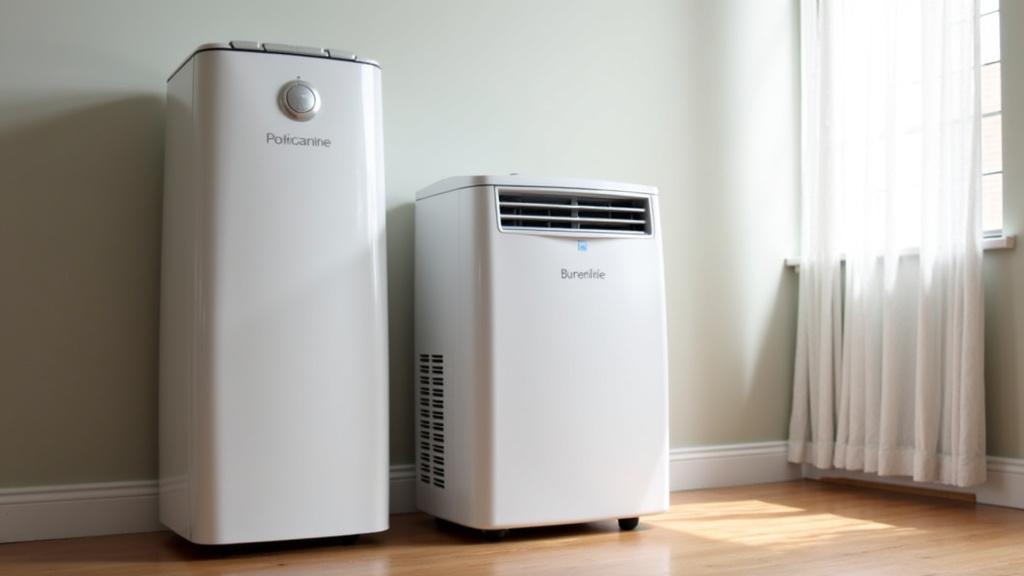
Key Features to Consider Beyond Pint Capacity
While pint capacity is king, other features can enhance your dehumidifier experience. Think about how you’ll use the unit and what conveniences are important to you.
Water Drainage Options
Both 30 pint and 50 pint models typically collect water in an internal bucket. However, as they remove more water, these buckets fill up faster. You’ll need to empty them regularly.
Many units offer a convenient continuous drainage option. This usually involves attaching a hose to the unit and directing the water to a floor drain, sump pump, or even outside. This is a lifesaver if you don’t want to manually empty the bucket daily, especially with a higher capacity unit.
Coverage Area and Energy Efficiency
Always check the manufacturer’s recommended coverage area for a specific model. This is often listed in square feet. While we’ve provided general guidelines, manufacturers have specific data.
Energy efficiency is also a significant factor. Look for the Energy Star certification. Energy Star rated dehumidifiers are designed to use less energy than non-certified models. This can save you money on your electricity bill over time. A higher pint capacity unit will naturally use more energy when running, so efficiency becomes even more important.
Portability and Noise Level
Dehumidifiers can be quite heavy, especially larger models like many 50 pint units. Most come with caster wheels to make them easier to move between rooms if needed. Consider how often you might need to relocate the unit.
Noise level is another factor. If the dehumidifier will be in a living space or bedroom, a quieter model is preferable. Check the decibel (dB) rating if noise is a concern. We’ve found that newer models are generally quieter than older ones.
Making Your Final Decision: A Quick Checklist
Deciding between a 30 pint and a 50 pint dehumidifier can feel like a big choice. But by focusing on a few key areas, you can confidently select the right unit for your home.
- Assess your space: What is the approximate square footage of the area you need to dehumidify?
- Gauge the dampness: Is the area mildly damp, moderately humid, or extremely wet with visible condensation or musty smells?
- Consider temperature: Will the dehumidifier be used in a consistently cool space?
- Think about convenience: Do you want to empty a bucket or prefer continuous drainage?
- Check for efficiency: Is the unit Energy Star certified?
By answering these questions, you’ll have a much clearer picture of whether a 30 pint or a 50 pint dehumidifier is the better fit for your home’s comfort and health.
“`Conclusion
Choosing between a 30 pint and a 50 pint dehumidifier boils down to your specific needs. A 30 pint unit is your go-to for smaller spaces with mild to moderate dampness. If you’re battling larger areas or severe humidity issues, the 50 pint model offers the power you need. Remember to consider real-world conditions like temperature and humidity levels, not just the pint rating. By assessing your space and its dampness, you can confidently select the right dehumidifier to improve your home’s air quality and comfort.
Frequently Asked Questions
Will a 30 pint dehumidifier be enough for my entire house?
Generally, a 30 pint dehumidifier is designed for smaller spaces, typically up to 1,500 square feet, and moderate dampness. For an entire house, especially if you experience widespread humidity issues, you would likely need a larger capacity unit or multiple dehumidifiers.
Can a 50 pint dehumidifier be too much for a small room?
Yes, an oversized dehumidifier for a small room can be inefficient. It might cool the room too much or cycle on and off too frequently (short cycling), which can lead to wasted energy and potential wear on the unit. It’s best to match the capacity to the room size and humidity level.
Does the temperature of my basement affect which pint size I need?
It absolutely can. Dehumidifiers are less efficient in cooler temperatures. If your basement is consistently below 60°F, a standard 50 pint unit’s performance might be reduced. You might need to consider a model with a lower pint rating but with a low-temperature setting or automatic defrost features.
How often will I need to empty the tank on a 50 pint dehumidifier?
A 50 pint dehumidifier removes more water, so its collection bucket will fill up faster than a 30 pint model’s. Depending on the humidity level, you might need to empty the tank daily or even more often. Utilizing the continuous drainage option is highly recommended for 50 pint units to avoid frequent manual emptying.
Are 50 pint dehumidifiers much more expensive to run than 30 pint ones?
A 50 pint dehumidifier generally uses more energy when it’s actively running because it has a more powerful compressor to remove more moisture. However, if the 50 pint unit is appropriately sized for a very damp space, it may run for shorter cycles than an undersized 30 pint unit trying to cope, potentially leading to similar or even better overall energy efficiency.
