
Can a Dehumidifier Catch Fire?
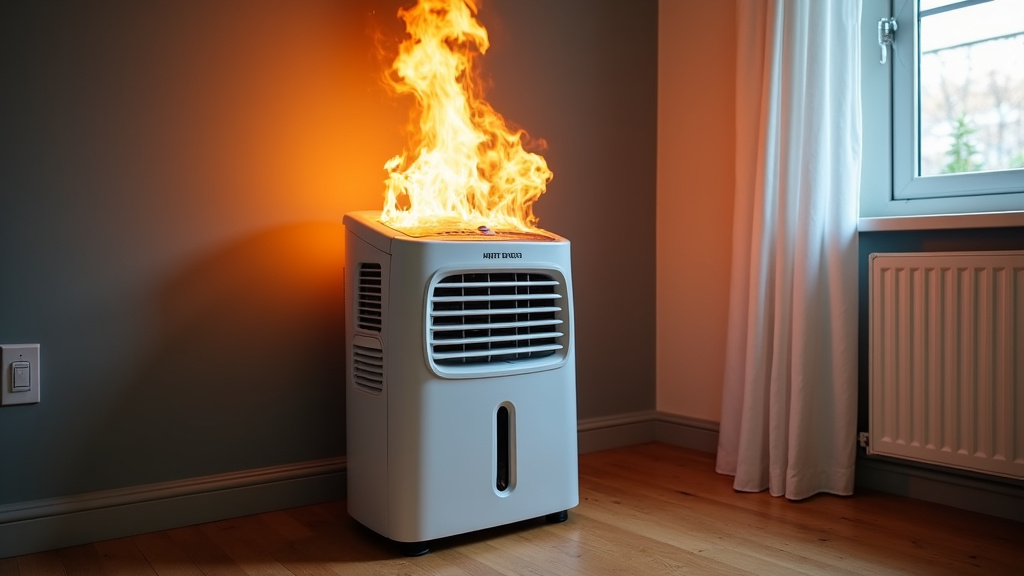
Yes, a dehumidifier can catch fire, but it’s a very rare occurrence. Most modern dehumidifiers have safety features to prevent overheating. The risk usually comes from older models, improper maintenance, or specific electrical issues that can lead to a fire hazard.
While dehumidifiers are generally safe for keeping your home comfortable and preventing mold, it’s wise to be aware of potential risks. Fires are most often linked to electrical malfunctions or obstructions that prevent proper airflow. Regular checks can help ensure your unit operates safely.
- Dehumidifiers can catch fire, but it’s uncommon.
- Fires are usually caused by electrical faults or poor maintenance.
- Older units or those with damaged cords pose a higher risk.
- Always follow manufacturer guidelines for safe operation.
Let’s walk through the potential causes and how you can keep your dehumidifier running safely.
Understanding Dehumidifier Fire Risks
Can a dehumidifier actually catch fire? You might be wondering about this, especially if you rely on one to keep your home comfortable. The short answer is yes, it’s possible, but thankfully, it’s not a common problem. Most modern units are designed with safety in mind, using technology to prevent overheating. However, like any electrical appliance, a dehumidifier can pose a fire risk under certain conditions.
Research indicates that the primary culprits behind dehumidifier fires often involve electrical malfunctions. This could be due to faulty wiring within the unit, a damaged power cord, or even issues with the electrical outlet itself. When electricity can’t flow properly or sparks occur, it creates a potential ignition source.
Common Causes of Dehumidifier Fires
We found that several factors can contribute to a dehumidifier becoming a fire hazard. It’s not usually a spontaneous event but rather a consequence of something going wrong.
Electrical Malfunctions and Faulty Components
Electrical issues are by far the most frequently cited cause in reports of dehumidifier fires. This can stem from several places. Internal wiring can fray over time, especially with frequent movement or vibrations. A damaged power cord, perhaps one that’s been pinched, cut, or has exposed wires, is a major red flag. Even a worn-out plug can sometimes cause problems.
Another less obvious electrical culprit is the internal thermostat or control board. If these components fail, they might not regulate the unit’s temperature correctly. This can lead to the motor or compressor running too hot for too long, potentially overheating surrounding components and materials. We’ve seen reports where a thermostat failure caused the unit to overheat without shutting off, eventually leading to a fire (Consumer Product Safety Commission).
Overheating Due to Airflow Obstruction
Dehumidifiers work by drawing in moist air, cooling it to condense the water, and then releasing drier air. This process relies heavily on efficient airflow. If something blocks the air intake or exhaust vents, the unit can’t dissipate heat effectively. This is like trying to run a marathon without being able to breathe properly; it’s going to overheat quickly!
Common obstructions include dust and lint buildup. Over time, these particles can clog the filters and coils. Placing the dehumidifier too close to walls, furniture, or curtains can also restrict airflow. If the unit is constantly struggling to pull in air or push it out, its internal temperature will climb, increasing the risk of a fire.
Age and Wear and Tear
Older dehumidifiers, especially those manufactured before stricter safety standards were implemented, might lack modern safety features. Components degrade over time. Plastics can become brittle, wiring can lose its insulation, and motors can become less efficient. Think of it like an old car; it might still run, but its parts are more prone to failure.
If you have a dehumidifier that’s seen better days, perhaps 7-10 years or older, it’s wise to inspect it regularly. Check for any signs of wear, such as discolored cords, strange noises, or a persistent burning smell. Replacing an old unit might be a smart investment in your home’s safety.
Improper Use and Maintenance
Sometimes, the issue isn’t the unit itself but how it’s being used or cared for. Forgetting to empty the water tank can cause the unit to shut off, which is a safety feature. However, if the unit is malfunctioning, it might continue to run and overheat even when full. Leaving it unattended for extended periods, especially older models, increases the risk if something does go wrong.
Lack of cleaning is also a big factor. A clogged filter is a prime example of poor maintenance leading to airflow obstruction. We found that regular cleaning is one of the simplest yet most effective ways to prevent overheating and maintain safe operation.
Signs Your Dehumidifier Might Be a Fire Risk
Being aware of warning signs can help you catch a potential problem before it escalates. Your dehumidifier will often give you clues that something isn’t quite right.
Visual Cues and Smells
First, keep an eye out for anything unusual. Is the power cord frayed, cracked, or showing signs of melting near the plug or the unit? Are there any burn marks or discoloration on the exterior of the dehumidifier? These are clear indicators of overheating and potential electrical trouble.
A less obvious but equally important sign is smell. Do you detect a burning plastic or electrical odor when the unit is running? This smell often indicates that something is overheating inside. If you notice this, turn the unit off immediately and unplug it. Don’t try to troubleshoot it yourself unless you’re comfortable with electrical components; it’s usually best to consult a professional or consider replacement.
Auditory and Performance Issues
Listen to your dehumidifier. Is it making unusual noises, such as grinding, buzzing, or clicking sounds that weren’t there before? These sounds can indicate that the motor or fan is struggling, possibly due to an obstruction or a failing component. A motor that’s working too hard generates extra heat.
Also, pay attention to its performance. Is it suddenly stopping and starting frequently without the tank being full? Is it running constantly but not actually drying the air effectively? These can be symptoms of an internal issue that might lead to overheating if left unaddressed. Researchers at energy efficiency organizations often note that a unit’s performance can be a key indicator of its internal health.
Preventing Dehumidifier Fires: Your Safety Checklist
The good news is that you can significantly reduce the risk of your dehumidifier causing a fire. A little bit of care and attention goes a long way. Think of it as giving your appliance a regular check-up.
Regular Cleaning and Maintenance
Keeping your dehumidifier clean is probably the most important step. You should aim to clean the air filter at least once a month, or more often if you have pets or live in a dusty environment. A clogged filter restricts airflow, leading to overheating.
You’ll also want to clean the coils and the interior of the unit periodically. Unplug the unit and gently wipe down the coils with a soft brush or cloth. Make sure to consult your owner’s manual for specific cleaning instructions for your model. We found that manufacturers often recommend specific methods for safe cleaning.
Ensuring Proper Airflow
Always give your dehumidifier space to breathe! When placing the unit, make sure there’s at least 6-12 inches of clear space around all sides, especially the back and sides where the vents are typically located. Never place it directly against a wall or cover it with clothing or curtains.
Keep the area around the dehumidifier clear of clutter. This ensures that air can flow freely in and out, allowing the unit to operate efficiently and preventing heat buildup. Think of it as giving your appliance its own personal bubble.
Electrical Safety Checks
Regularly inspect the power cord and plug for any signs of damage. If you see any fraying, cracks, or exposed wires, stop using the unit immediately and consider replacing the cord or the entire appliance. Never use extension cords unless absolutely necessary, and if you do, ensure they are heavy-duty and rated for the appliance’s power draw.
Plug the dehumidifier directly into a wall outlet. Avoid using power strips or surge protectors, as these can sometimes overheat if overloaded, especially with high-wattage appliances like dehumidifiers. Many safety guides, including those from electrical safety foundations, recommend direct plugging for such appliances.
Safe Operation Practices
Always follow the manufacturer’s instructions for operation and maintenance. Don’t run the unit on surfaces that can easily catch fire, like thick carpets, if the manual advises against it. Never leave a dehumidifier running unattended for very long periods, especially older models or if you notice any unusual behavior.
If you’re going away for an extended trip, it might be safer to unplug the unit and turn it off. Consider using a smart plug if you want to schedule it or monitor it remotely, but always ensure the unit itself is in good working order first. We found that simple habits can make a big difference.
Your Dehumidifier Safety Checklist:
- Clean the filter monthly (or more often).
- Inspect the power cord for damage regularly.
- Ensure at least 6-12 inches of clear space around vents.
- Plug directly into a wall outlet when possible.
- Listen for unusual noises or smells.
- Turn off and unplug if you notice any issues.
What to Do If You Suspect a Problem
If you notice any of the warning signs we discussed, like strange smells, sounds, or visible damage, it’s time to take action. Your priority is to ensure safety for yourself and your home.
Immediate Steps to Take
The very first thing you should do is unplug the dehumidifier. Don’t just turn it off; disconnect it from the power source completely. This eliminates the immediate electrical hazard. Move the unit away from any flammable materials if it’s safe to do so.
Do not attempt to use the dehumidifier again until it has been thoroughly inspected. If you’re unsure about the cause or how to fix it, it’s best to err on the side of caution. Many experts advise against attempting internal repairs unless you have specific training in appliance repair.
When to Call a Professional or Replace the Unit
If you suspect an electrical fault or if the unit shows signs of significant wear and tear, consider calling a qualified appliance repair technician. They can diagnose the problem and tell you if it’s repairable or if it’s safer to replace the unit. If you suspect an electrical fault or if the unit shows signs of significant wear and tear, it’s best to call a qualified appliance repair technician.
In many cases, especially with older or inexpensive dehumidifiers, the cost of repair might be close to or even exceed the cost of a new unit. If your dehumidifier is several years old, showing multiple signs of trouble, or if the repair quote seems high, it’s often more economical and safer to purchase a new model with updated safety features. We’ve found that investing in a new, reliable unit can provide peace of mind.
Conclusion
While the thought of a dehumidifier fire might seem alarming, remember it’s a rare event. We’ve seen that most fires are preventable and stem from issues like electrical malfunctions, poor airflow, or simple neglect in maintenance. By following our checklist – cleaning regularly, ensuring space for your unit, and performing quick electrical checks – you significantly reduce any potential risks. Prioritize your home’s safety by staying vigilant. If you ever suspect a problem, don’t hesitate to unplug the unit and consult a professional or consider replacement for peace of mind.
Frequently Asked Questions
How often should I clean my dehumidifier’s filter?
You should aim to clean your dehumidifier’s air filter at least once a month. If you have pets or live in a particularly dusty area, you might need to clean it even more frequently. A clean filter is essential for proper airflow and preventing overheating.
Can I leave my dehumidifier running all the time?
Modern dehumidifiers with safety features can often be left running, but it’s wise to be cautious. Never leave any appliance running unattended for extended periods, especially older models. Always ensure it has proper ventilation and that you’ve followed all maintenance guidelines.
What does a burning smell from my dehumidifier mean?
A burning smell, especially of plastic or electrical components, is a serious warning sign. It typically indicates that something inside the unit is overheating. You should turn the unit off immediately and unplug it to prevent a potential fire hazard.
Are older dehumidifiers more dangerous than new ones?
Yes, older dehumidifiers can pose a higher risk. They may lack modern safety features that newer models include. Components also degrade over time, making them more prone to electrical faults or overheating. It’s recommended to inspect older units regularly and consider replacing them if they are 7-10 years or older.
Should I use an extension cord with my dehumidifier?
It’s best to avoid using extension cords with your dehumidifier whenever possible. If you must use one, ensure it’s a heavy-duty cord rated for the appliance’s power draw and that it’s in good condition. Plugging the unit directly into a wall outlet is always the safest option.
