
Can a Small Dehumidifier Dry Out a Whole Apartment?
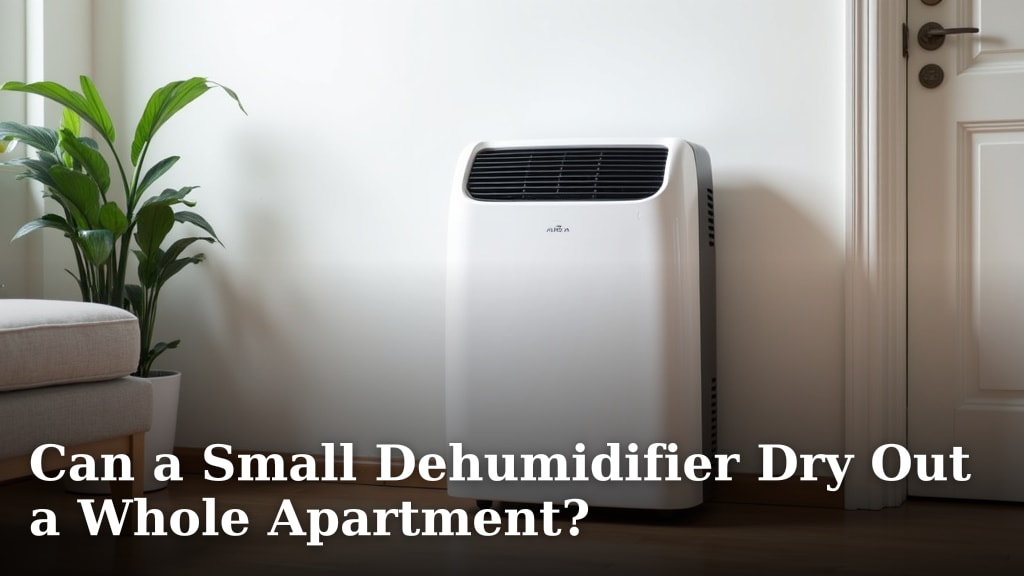
No, a small dehumidifier likely won’t dry out an entire apartment on its own. While they can help with localized dampness in small rooms, larger spaces require more power. Think of it like using a fan to cool a stadium; it just doesn’t have the capacity.
We’ve found that dehumidifier effectiveness depends heavily on its capacity and the size of the space it’s intended for. A unit designed for a closet won’t make a dent in a whole living area. You’ll want to match the appliance’s power to your apartment’s square footage for the best results.
- Small dehumidifiers are best for small, contained areas like bathrooms or closets.
- They are generally not powerful enough to handle an entire apartment.
- Larger or multiple units are needed for whole-home moisture control.
- Check the manufacturer’s square footage recommendations.
Below, we’ll help you figure out if your small dehumidifier can tackle your apartment’s humidity, and what to do if it can’t.
Can a Small Dehumidifier Really Tackle Your Apartment’s Humidity?
It’s a common question: can that little dehumidifier you bought for your bathroom or closet actually handle the moisture in your entire apartment? We’ve looked into it, and the short answer is: probably not.
Think of your apartment like a big sponge. A small dehumidifier is like a tiny eyedropper trying to soak up that sponge. It can handle a small spill, but a whole soaked sponge? It’s just not built for that kind of job.
Understanding Dehumidifier Capacity and Square Footage
The main thing to consider is the dehumidifier’s capacity. This isn’t just a random number; it’s how much water the unit is designed to pull from the air per day.
Manufacturers rate their dehumidifiers based on square footage. This is a helpful guide for matching the unit to your space. You’ll often see ratings for spaces like “small rooms,” “medium rooms,” or “large areas.”
A small unit, typically rated for up to 500 square feet, is perfect for a single room. It can effectively lower humidity in a bedroom, bathroom, or a small home office. But most apartments are larger than that.
What Does “Small” Mean in Dehumidifier Terms?
When we talk about “small dehumidifiers,” we usually mean portable units that hold around 20 to 30 pints of water per day. These are generally compact and easy to move from one small room to another.
They’re designed for localized problems. Got a musty closet? A steamy bathroom after showers? These units can certainly help keep those specific areas dry. They work by drawing in moist air, cooling it to condense the water, and then releasing drier air back into the room.
The key is that the air has to circulate well through the unit. In a small, enclosed space, this is easy. In a large apartment with multiple rooms and closed doors, the air has a much harder time reaching the dehumidifier.
Apartment Size Matters: A Lot
Let’s be realistic about apartment sizes. Even a “small” apartment can easily exceed 500 square feet. A typical one-bedroom apartment might be 600-800 square feet. A two-bedroom could easily push past 1,000 square feet.
So, if your dehumidifier is rated for a small room, using it in a larger apartment is like trying to bail out a sinking boat with a teacup. It just doesn’t have the horsepower.
We found that many users try to use small units in larger spaces and end up frustrated. They don’t see a noticeable drop in humidity throughout the apartment.
Why Your Small Dehumidifier Isn’t Drying the Whole Apartment
There are a few primary reasons why your small dehumidifier is struggling to manage your entire apartment’s humidity levels.
Limited Airflow and Circulation
Dehumidifiers need air to work. They pull in the surrounding air, remove the moisture, and push out drier air. If the air can’t reach the dehumidifier easily, it can’t do its job effectively.
In an apartment, doors can be closed. Furniture can block airflow. Even the natural movement of air between rooms isn’t enough for a small unit to make a difference across a larger area. The unit will just keep recycling the same damp air in its immediate vicinity.
Think about a hot summer day. A small desk fan can cool you down when you’re sitting right in front of it. But it won’t cool an entire living room. A dehumidifier operates on a similar principle of localized effect.
Moisture Sources Throughout the Apartment
Humidity isn’t confined to just one spot. It comes from many places within your apartment.
Cooking on the stove releases steam. Taking a shower or bath adds a lot of moisture to the air. Even breathing and sweating contribute to indoor humidity. Plants release moisture through a process called transpiration. And, of course, drying clothes indoors is a major source of water vapor.
A small dehumidifier placed in one room simply can’t combat all these moisture sources spread throughout your living space. It’s overwhelmed by the sheer volume of damp air.
Insufficient Capacity for the Volume of Air
Let’s revisit capacity. A 20-pint dehumidifier is designed to remove 20 pints of water from the air in a 24-hour period, usually in a controlled environment like a small, well-sealed room.
Your entire apartment contains a much larger volume of air than a single small room. Therefore, it holds more moisture overall. A small unit simply doesn’t have the capacity to process that much air and remove that much water efficiently.
It’s like trying to empty a swimming pool with a leaky bucket. You’ll make some progress, but you’re unlikely to finish the job.
When a Small Dehumidifier Might Be “Enough” (Sort Of)
While we’ve established that a small dehumidifier won’t dry out an entire apartment, there are a few specific scenarios where it can offer some localized relief.
Targeting Specific Problem Areas
If your main concern is a single, consistently damp area, like a bathroom that never seems to dry out or a musty basement corner, a small unit can be effective.
You’d place the unit directly in that problem area and run it continuously. It will significantly reduce humidity in that specific zone. This can help prevent mold growth and improve air quality locally.
However, this is treating a symptom in one spot, not addressing the overall humidity of your entire living space.
Well-Sealed and Smaller Apartments
For some, “apartment” might mean a studio or a very small one-bedroom. If your entire living space is under 500 square feet and is relatively well-sealed (meaning not too many drafts or air leaks), a small dehumidifier might manage.
In these cases, the volume of air is manageable for a smaller unit. And good sealing helps contain the dried air, making the unit’s efforts more effective.
We found that even in these situations, running the unit in a central location or moving it between rooms periodically can be beneficial.
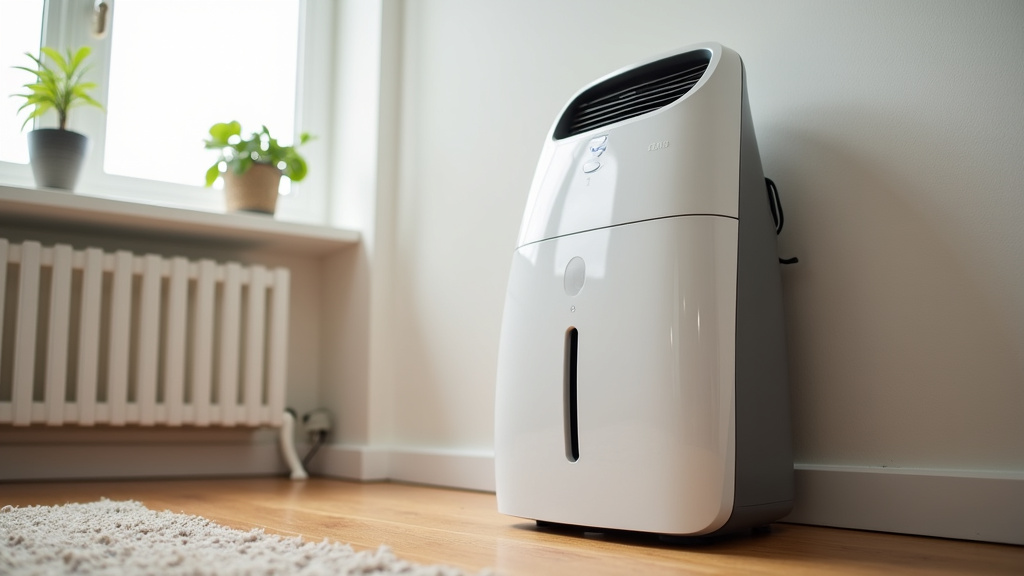
What to Do If Your Small Dehumidifier Isn’t Cutting It
If you’ve tried your small dehumidifier throughout the apartment and the air still feels damp, it’s time to consider other options.
Consider a Larger or Multiple Units
The most straightforward solution is to upgrade. If you need to dehumidify your entire apartment, you’ll likely need a larger capacity dehumidifier.
Look for units rated for your apartment’s square footage. A unit rated for 1,000-1,500 square feet would be a better starting point for a medium to large apartment.
Alternatively, you could use multiple smaller units strategically placed in different zones of your apartment. For example, one for the bedrooms and living area, and another for the kitchen/dining space. Alternatively, you could use multiple smaller units strategically placed in different zones of your apartment.
Improve Ventilation and Airflow
Dehumidifiers work best in conjunction with good airflow. Open windows and doors when possible (especially if the outside air is less humid than inside!). Use fans to help circulate air throughout the apartment.
Simple actions like running your bathroom fan during and after showers make a big difference. Using your kitchen range hood when cooking also helps remove moisture at the source.
Many experts suggest opening interior doors during the day to allow air to circulate more freely between rooms. This helps the dehumidifier (whatever its size) work more efficiently.
Reduce Moisture Sources
Can you reduce the amount of moisture being added to your apartment?
Try to dry clothes outdoors or in a vented dryer whenever possible. Use lids on pots and pans when cooking. Wipe down shower walls after use. These small changes can collectively reduce the overall humidity load.
The Environmental Protection Agency (EPA) recommends keeping indoor humidity levels between 30% and 50% for optimal comfort and health.
Checklist for Dehumidifier Success
Here’s a quick rundown of what to keep in mind for effective humidity control in your apartment:
- Know your apartment’s square footage. This is the first step.
- Match dehumidifier capacity to space. Don’t use a closet unit for a living room.
- Consider multiple units for larger spaces. One small unit rarely suffices.
- Ensure good airflow. Use fans and open doors when appropriate.
- Reduce moisture at the source. Ventilation and mindful habits help.
- Monitor humidity levels. A hygrometer can help you track progress.
Conclusion
So, can a small dehumidifier dry out your whole apartment? Generally, the answer is no. We’ve seen that these compact units are fantastic for tackling localized dampness in small spaces like bathrooms or closets. However, their limited capacity and airflow just can’t keep up with the larger volume of air and multiple moisture sources found throughout an entire apartment. For effective whole-apartment humidity control, you’ll need to either upgrade to a larger unit rated for your square footage or strategically place multiple smaller units. Start by assessing your apartment’s size and your main humidity concerns, then choose a solution that truly fits your needs.
Frequently Asked Questions
Will running a small dehumidifier in one room help with humidity in other rooms?
Not effectively. A small dehumidifier works best in a single, enclosed space. While some air circulation might occur, it’s unlikely to significantly lower humidity levels in distant rooms. You’ll mostly just be drying the air in the immediate vicinity of the unit.
How do I know if my apartment is too big for a small dehumidifier?
Check the square footage rating on your dehumidifier. If your apartment is significantly larger than the recommended coverage area, it’s too big. Also, if you can feel dampness or musty odors in rooms far from where you run the unit, it’s likely too small.
Can I just move my small dehumidifier from room to room?
You can, but it’s a labor-intensive and often inefficient strategy. Moving it frequently might offer temporary relief in each room, but it won’t provide consistent, whole-apartment humidity control. It’s like trying to fill a bathtub with a small cup, one scoop at a time.
What’s the biggest difference between a small and a large dehumidifier?
The main difference is capacity, meaning how much water they can remove from the air per day, and their coverage area rating. Larger units have more powerful fans and compressors designed to handle more air and larger spaces effectively, pulling moisture from more cubic feet of air.
How can I measure the humidity in my apartment?
You can easily measure humidity using a hygrometer, which is a small, inexpensive device. You can buy them online or at hardware stores. Place one in different rooms to get an average reading of your apartment’s humidity levels.
