
Why Is My Dehumidifier Compressor Not Kicking On?
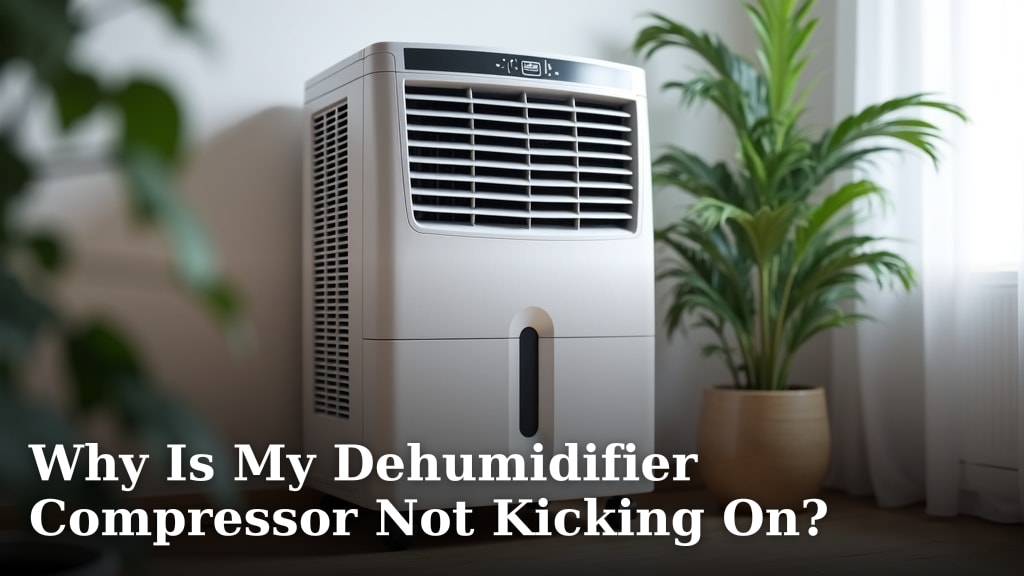
If your dehumidifier’s compressor isn’t kicking on, it’s usually because of a safety feature, a power issue, or a problem with the thermostat. These systems are designed to protect themselves from damage. Sometimes, a simple reset can solve the problem. Other times, it might signal a deeper issue that needs attention to get your dehumidifier working again.
Your dehumidifier has several components that must work together for it to dehumidify effectively. The compressor is the heart of this operation, but it needs the right conditions to start. We found that common culprits include a full water bucket, dirty air filters, or even extreme room temperatures that prevent the unit from operating safely and efficiently.
- Compressor issues often stem from simple protective measures.
- Check for a full bucket, dirty filters, or temperature extremes.
- Power supply problems can also prevent the compressor from starting.
- A tripped circuit breaker or faulty outlet is a common culprit.
- Sometimes, a simple unplug and replug can reset the system.
Let’s walk through the most common reasons why your dehumidifier’s compressor might be taking a break and what you can do about it.
Troubleshooting Your Dehumidifier’s Silent Compressor
It can be frustrating when your dehumidifier seems to be doing nothing. If you’re not hearing that familiar hum of the compressor working, you’re probably wondering why. We’ve found that most of the time, it’s not a broken part but a protective measure or a simple oversight.
Checking the Basics: Things You Can Fix Right Away
Is the Water Bucket Full?
This is often the most common reason your dehumidifier stops. Most units have a float switch or sensor. When the water bucket gets too full, this sensor tells the dehumidifier to shut off. It’s a safety feature to prevent water from overflowing. You’ll usually see an indicator light or a message on the display. Simply emptying the bucket and putting it back correctly should do the trick. Make sure it’s seated properly, or the sensor might not reset.
Dirty Air Filters Are a Common Culprit
Air filters catch dust, pet dander, and other particles. When they get clogged, air can’t flow through the unit properly. This makes the system work harder, and sometimes, it can cause it to overheat or shut down to protect itself. Many experts suggest checking and cleaning or replacing your air filter regularly, often every two to four weeks, depending on your home’s air quality. A clean filter ensures good airflow, which is essential for efficient operation.
Temperature Extremes Can Cause Problems
Dehumidifiers are designed to work within a specific temperature range. If the room is too cold or too hot, the compressor might not turn on. Most residential dehumidifiers operate best between 65°F and 95°F (18°C to 35°C). If the air temperature is below 65°F, the coils inside the unit can freeze up. This can damage the compressor and prevent it from running. Some newer models have an auto-defrost feature, but it’s still a good idea to check the room temperature. If it’s too cold, you might need a portable heater, or consider a different type of dehumidifier designed for lower temperatures.
Is the Dehumidifier in a Tight Spot?
Just like you need some space to breathe, your dehumidifier needs good airflow too. If it’s pushed too far back against a wall or blocked by furniture, it can’t pull air in effectively. This restricted airflow can lead to overheating or the unit shutting down to protect its components. We found that leaving at least 6 to 12 inches of clearance around the sides and back of the unit is generally recommended. This allows for proper air intake and exhaust.
Power Supply Issues: The Unseen Blockers
The Humble Power Cord and Outlet
It sounds simple, but sometimes the problem is as basic as a loose connection. Make sure the power cord is firmly plugged into both the dehumidifier and the wall outlet. Sometimes, cords can come slightly unplugged. If it seems secure, try plugging another small appliance, like a lamp or phone charger, into the same outlet. If that appliance doesn’t work either, you might have an issue with the outlet itself. This could mean the outlet is faulty or a circuit breaker has tripped.
Tripped Circuit Breakers or Blown Fuses
Your dehumidifier draws a good amount of power. If it’s plugged into a circuit that’s already handling other appliances, it might cause the circuit breaker to trip or a fuse to blow. This is a safety mechanism to prevent electrical overload. Head to your home’s electrical panel. Look for a breaker switch that is in the “off” position or somewhere between “on” and “off.” Flip it completely off and then back on. If you have fuses, check if one is blown and needs replacing. If the breaker trips again immediately after resetting, there might be a more serious electrical issue, and you should contact an electrician.
GFCI Outlets and Reset Buttons
Ground Fault Circuit Interrupter (GFCI) outlets are common in bathrooms, kitchens, and outdoor areas. They have a “Test” and “Reset” button. If your dehumidifier is plugged into a GFCI outlet and the compressor isn’t kicking on, check if the outlet needs resetting. Press the “Reset” button firmly. If the outlet has tripped, this often restores power. Many guidelines suggest using GFCI outlets for appliances used near water sources for safety (CDC).
Internal Safety Features and Settings
The Time Delay Feature: Patience is a Virtue
Many modern dehumidifiers have a built-in time delay. This feature protects the compressor from damage due to power surges or frequent on-off cycling. It essentially waits a few minutes after the unit is plugged in or after a power interruption before allowing the compressor to start. If you’ve just plugged in your unit or experienced a brief power outage, you might just need to wait about 3 to 5 minutes. The compressor should then kick in. This is a smart safety measure designed to prolong the life of your appliance.
Faulty Thermostat or Humidistat
The thermostat (or humidistat, which specifically measures humidity) tells your dehumidifier when to turn on and off. If this component is malfunctioning, it might incorrectly sense that the desired humidity level has already been reached, even if the air is still damp. Or, it might not be sending the “on” signal to the compressor at all. Diagnosing a faulty thermostat can be tricky. Often, if you’ve ruled out other issues, this could be the cause. A repair technician might be needed to test and replace this part.
The Humidifier’s Water Level Sensor
We already mentioned the full bucket, but the sensor itself could be the problem. Sometimes, dust or mineral buildup can interfere with the float mechanism or electronic sensors. If the sensor thinks the bucket is full when it’s not, it will prevent the compressor from running. Gently cleaning the sensor area or float mechanism according to your owner’s manual can sometimes resolve this. Ensure the unit is unplugged before attempting any cleaning.
When to Consider Professional Help
If you’ve gone through these steps and your dehumidifier’s compressor still won’t start, it might be time to call in an expert. Issues like a faulty capacitor, a failing motor, or internal wiring problems are beyond typical DIY fixes. These can be more serious and require specialized knowledge and tools to repair. Many manufacturers offer warranties, so check if your unit is still covered.
Summary Checklist for a Silent Compressor
- Empty the water bucket and ensure it’s properly seated.
- Check and clean or replace the air filter.
- Verify the room temperature is within the optimal range.
- Ensure adequate space around the dehumidifier for airflow.
- Confirm the power cord is secure and the outlet works.
- Reset any tripped circuit breakers or GFCI outlets.
Conclusion
You’ve learned that your dehumidifier’s compressor not kicking on is usually a sign of its protective systems at work. We’ve covered common fixes like checking the water bucket, air filters, and temperature. You also know to look at power connections and circuit breakers. If these simple checks don’t solve the problem, it might be time for a closer look. Your next step is to carefully try the troubleshooting steps outlined. If your unit still remains silent, don’t hesitate to consult your owner’s manual or a professional for further assistance.
Frequently Asked Questions
How long should I wait for the time delay feature to let the compressor start?
Most modern dehumidifiers have a time delay feature that lasts about 3 to 5 minutes. This protects the compressor from frequent cycling. If you just plugged in the unit or experienced a power flicker, give it this short waiting period. The compressor should then engage if everything else is working correctly.
Can a dehumidifier run in a cold garage or basement?
Standard dehumidifiers typically work best in temperatures between 65°F and 95°F. If your space is colder than that, the coils can freeze, preventing the compressor from starting. For colder environments, you’ll need a dehumidifier specifically designed for low temperatures, often called a “garage” or “basement” model.
My dehumidifier’s compressor turns on for a bit and then stops. What could be wrong?
This intermittent stopping could indicate a few things. The water bucket might be filling up quickly and triggering the shut-off sensor. Alternatively, the air filter could be very dirty, causing the unit to overheat and shut down for protection. Another possibility is that the room’s humidity level is already low enough for the unit to reach its set point and cycle off as intended.
What’s the difference between a thermostat and a humidistat in a dehumidifier?
While both control when your unit operates, a thermostat primarily responds to air temperature, whereas a humidistat specifically measures and responds to the level of moisture (humidity) in the air. Most dehumidifiers use a humidistat to decide when to run and when to stop, though some models might incorporate temperature readings as well.
Is it safe to leave a dehumidifier running unattended?
Generally, yes, modern dehumidifiers are designed for safe, unattended operation. They have built-in safety features like automatic shut-off when the tank is full and protection against overheating. However, it’s always wise to regularly check the water level if you’re not using a continuous drain hose and to ensure the unit has proper ventilation and is not placed where it could cause damage if a rare malfunction occurred.
